

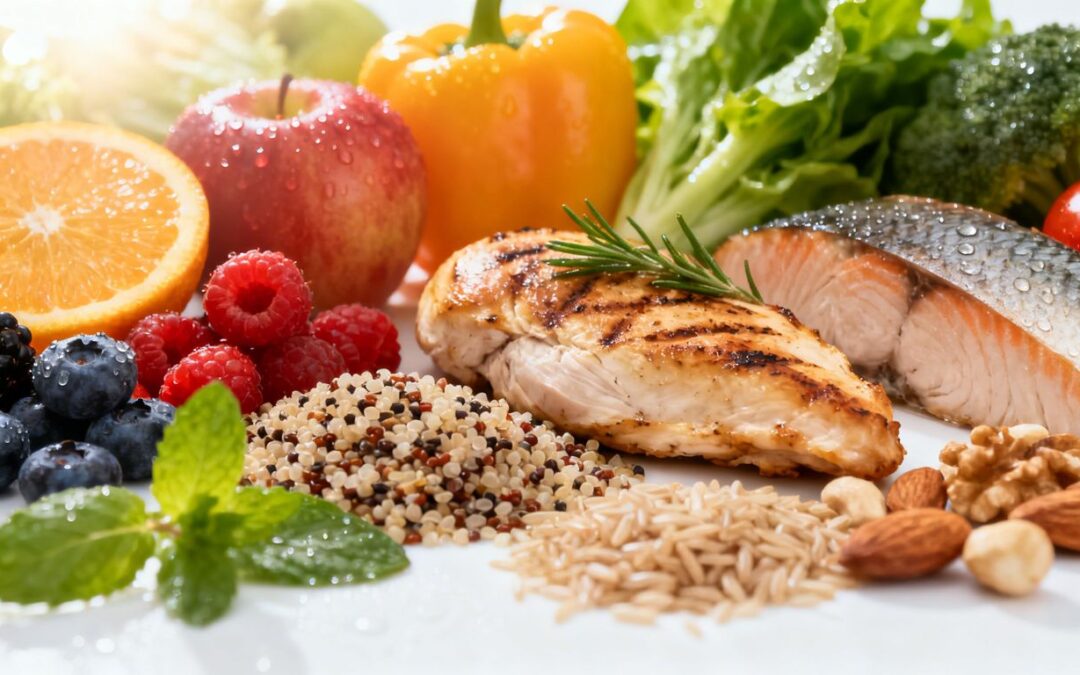
Getting back on your feet after an illness, surgery, or injury takes time. It’s not just about rest; what you eat plays a big part in how well your body heals. This National Nutrition Month, let’s talk about how the right food can help your recovery. We’ll look at the basics of nutrition for rehabilitation, what foods help mend your body, and how to make sure you’re getting enough of what you need. It’s all about giving your body the fuel it needs to get stronger.
Key Takeaways
-
Eating well helps your body repair itself after illness or injury.
-
Proteins build and fix your muscles and cells, while good fats help with swelling.
-
Complex carbs give you the energy you need to keep going.
-
Drinking enough water and getting the right electrolytes keeps your body working right.
-
Planning your meals and snacks makes it easier to eat the foods that help you recover.
Understanding Nutrition For Rehabilitation
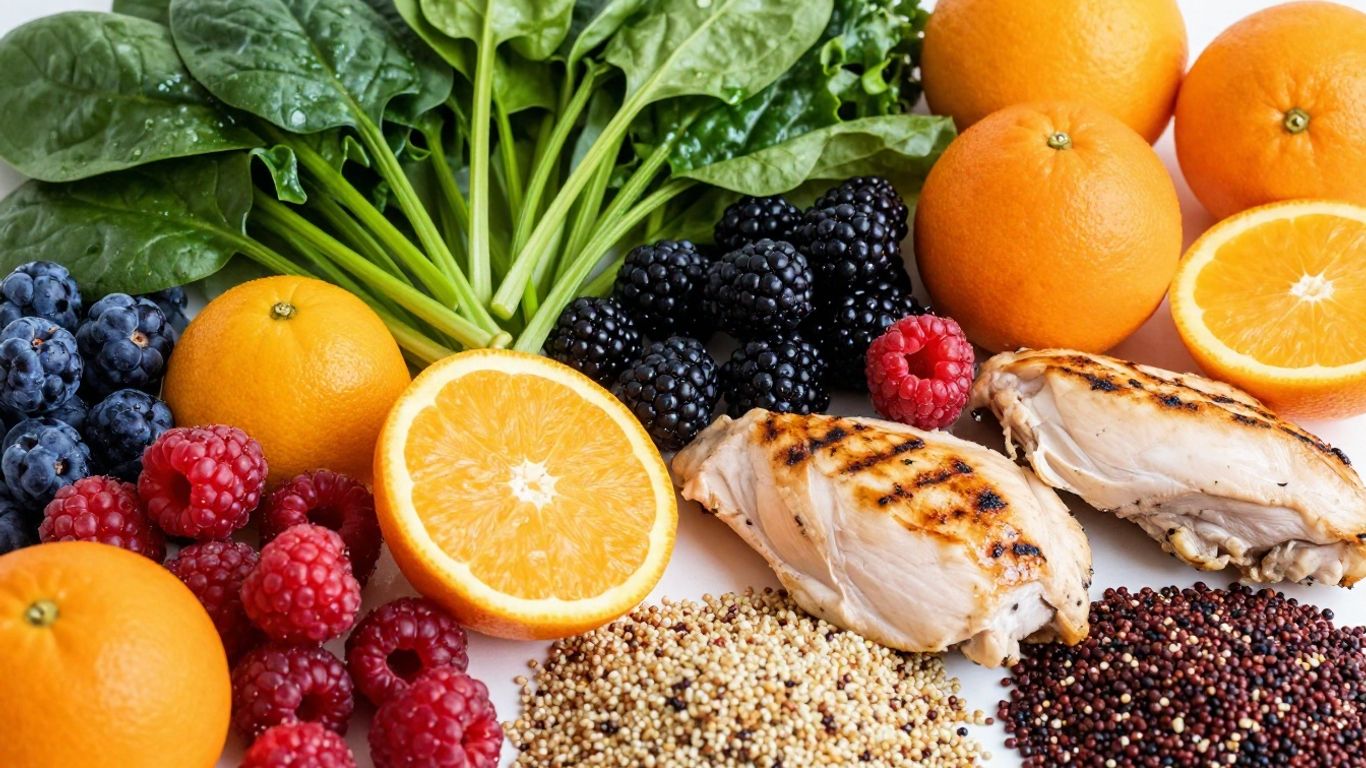
When you’re recovering from something, whether it’s a surgery, an injury, or just feeling run down, what you eat plays a bigger part than you might think. It’s not just about getting full; it’s about giving your body the actual building blocks it needs to get back on track. Think of it like this: if you’re trying to rebuild a wall, you need the right bricks and mortar, right? Food is your body’s building material.
The Role of Diet in Healing
Your diet directly impacts how well and how quickly your body can repair itself. Proper nutrition can help reduce inflammation, support the immune system, and provide the energy needed for all those complex healing processes. Without the right fuel, your body might struggle to perform these tasks efficiently, potentially slowing down your recovery. It’s about making smart food choices that actively help your body heal, not just sustain itself. For example, understanding how different foods affect inflammation can be a game-changer for recovery, and there are great resources on supporting loved ones during their healing journey.
Key Macronutrients for Recovery
Macronutrients are the big players – protein, fats, and carbohydrates. They’re needed in larger amounts and provide the energy and structure for healing.
-
Protein: This is super important for rebuilding tissues, making new cells, and supporting your immune system. Think of it as the primary construction material.
-
Healthy Fats: These aren’t the enemy! They help manage inflammation, which is a natural part of healing but can become a problem if it sticks around too long. They also help your body absorb certain vitamins.
-
Complex Carbohydrates: These are your body’s main energy source. Healing takes a lot of energy, and complex carbs provide a steady supply without the energy crashes you get from simple sugars.
Micronutrients Essential for Repair
Beyond the big three, micronutrients – vitamins and minerals – are also vital, even though you only need them in smaller amounts. They act like the specialized tools and workers that make sure the construction project runs smoothly.
-
Vitamin C: Great for wound healing and immune function.
-
Zinc: Plays a role in cell growth and repair.
-
Iron: Helps carry oxygen to your tissues, which is needed for energy and repair.
Making sure you’re getting a good mix of these nutrients can make a real difference in how your body bounces back. It’s not about restrictive diets, but about focusing on nutrient-dense foods that give your body what it needs to mend.
So, while you’re focusing on getting better, don’t forget about what’s on your plate. It’s a powerful tool in your recovery kit.
Building Blocks for Tissue Repair
When your body needs to heal, it’s like a construction site. You need the right materials to get the job done efficiently. This section is all about what those materials are and why they matter.
Protein Power: Muscle and Cell Regeneration
Think of protein as the bricks and mortar for your body. After an injury or surgery, your body ramps up protein production to rebuild damaged tissues. This includes everything from muscle fibers to skin cells and even internal organs. Getting enough protein is super important for making sure this repair work happens properly and doesn’t take forever.
-
Muscle repair and growth
-
Cellular regeneration
-
Immune system support
Protein is made up of amino acids, and some of these are called ‘essential’ because your body can’t make them on its own. You have to get them from food. So, picking protein sources that have a good mix of these amino acids really helps your body out.
Healthy Fats for Inflammation Control
Fats get a bad rap sometimes, but certain types are actually really helpful during recovery. We’re talking about unsaturated fats, especially omega-3s. These fats help manage inflammation, which is a natural part of the healing process but can sometimes get out of hand and slow things down. Keeping inflammation in check means your body can focus on the actual repair work.
-
Reducing excessive swelling
-
Aiding nutrient absorption
-
Supporting cell membrane health
Complex Carbohydrates for Energy
Healing takes a lot of energy, and that’s where carbs come in. But not all carbs are created equal. You want to focus on complex carbohydrates. These are the slow-burners that provide a steady stream of energy, unlike simple sugars that give you a quick spike and then a crash. Your body needs this consistent fuel to power all the rebuilding processes without getting worn out.
-
Providing sustained energy for healing processes
-
Supporting immune cell function
-
**Aiding in nutrient transport
Hydration: The Unsung Hero of Recovery

When we talk about recovery foods, it’s easy to focus on proteins and vitamins. But there’s another player that’s just as important, maybe even more so: water. Staying hydrated is absolutely key to helping your body heal and get back on its feet. It might seem simple, but the role water plays is pretty complex.
Why Water is Crucial for Healing
Think of your body like a busy construction site. Water is the delivery truck, the cleaning crew, and the lubricant all rolled into one. Without enough of it, things just don’t move properly. Water helps transport nutrients to the cells that need them for repair. It also carries waste products away, which is super important when your body is working overtime to fix itself. Plus, it keeps your joints lubricated and your tissues flexible, reducing the risk of further strain.
Proper hydration supports all the body’s natural processes. When you’re recovering from an injury or surgery, your body’s demands increase. Meeting those demands with adequate fluid intake makes a big difference in how smoothly everything runs.
Electrolytes for Fluid Balance
It’s not just about plain water, though. Electrolytes are minerals like sodium, potassium, and chloride that help keep the right amount of water inside and outside your cells. When you’re sick or have been sweating a lot, you can lose electrolytes. Balancing them is important for everything from muscle function to nerve signals. If you’re not getting enough fluids or electrolytes, you might feel tired, get headaches, or even experience muscle cramps.
Beverages That Support Rehabilitation
While water is the top choice, other drinks can help too:
-
Milk: Good source of protein, calcium, and vitamin D, which are all helpful for healing.
-
Broth or Soup: Can provide fluids, electrolytes, and sometimes even protein, especially if they have meat or beans.
-
Diluted Fruit Juices: Offer some carbohydrates for energy and can be easier to drink if you have a sensitive stomach, but watch the sugar content.
-
Herbal Teas: Many have calming properties and can contribute to your daily fluid intake without caffeine.
It’s generally best to limit sugary drinks like soda and excessive amounts of caffeinated beverages, as they can sometimes interfere with hydration or nutrient absorption.
Nutrient-Dense Foods for Optimal Healing
When your body is working hard to recover, what you eat really matters. It’s not just about getting enough calories; it’s about giving your cells the right building blocks and protective compounds they need. Think of it like giving your repair crew the best tools and materials. Focusing on foods packed with nutrients can make a big difference in how quickly and effectively you bounce back.
Lean Proteins and Their Sources
Protein is absolutely key for rebuilding tissues, whether it’s muscle after an injury or cells after surgery. It’s the main ingredient for making new cells and repairing damaged ones. Getting enough high-quality protein helps speed up the healing process.
-
Chicken and Turkey Breast: Skinless varieties are great choices.
-
Fish: Especially fatty fish like salmon, which also offers omega-3s.
-
Eggs: A complete protein source, easy to prepare.
-
Legumes: Beans, lentils, and peas are good plant-based options.
-
Tofu and Tempeh: Versatile soy products for vegetarians and vegans.
The body uses protein to create enzymes and hormones that help with healing. Without enough, the repair process can slow down significantly, leaving you feeling run down.
Fruits and Vegetables Rich in Antioxidants
These colorful foods are loaded with antioxidants, which are like your body’s defense system. They help fight off damage caused by stress and inflammation that often comes with healing. A diet rich in these can support your body’s natural repair mechanisms.
-
Berries: Blueberries, strawberries, and raspberries are packed with antioxidants.
-
Leafy Greens: Spinach, kale, and Swiss chard provide vitamins and minerals.
-
Citrus Fruits: Oranges, grapefruits, and lemons offer vitamin C.
-
Cruciferous Vegetables: Broccoli, cauliflower, and Brussels sprouts have beneficial compounds.
-
Sweet Potatoes: A good source of beta-carotene.
Whole Grains for Sustained Energy
While protein gets a lot of attention, don’t forget about carbohydrates. Your body needs energy to heal, and complex carbohydrates from whole grains are a steady source. They also provide fiber, which is good for your gut health, and various B vitamins that play a role in energy production.
-
Oats: Great for breakfast, providing slow-release energy.
-
Quinoa: A complete protein and a good source of fiber.
-
Brown Rice: A simple, versatile grain that offers sustained energy.
-
Whole Wheat Bread and Pasta: Look for ‘100% whole wheat’ on the label.
Making these nutrient-dense foods a regular part of your meals can really help your body get back on track after a setback.
Tailoring Nutrition For Specific Recovery Needs
What you eat can make a big difference depending on what you’re recovering from. It’s not a one-size-fits-all situation. Thinking about your specific situation helps you get the most out of your food.
Post-Surgery Nutrition Strategies
After surgery, your body is working overtime to heal. You’ll likely need more protein to rebuild tissues and help wounds close. Think lean meats, fish, beans, and lentils. It’s also important to get enough calories to fuel this repair process, but focus on nutrient-dense options rather than just empty calories. Staying hydrated is key, too, as many medications and the healing process itself can be dehydrating. Sometimes, appetite can be low, so smaller, more frequent meals might work better than three big ones.
-
Increase protein intake for tissue repair.
-
Focus on calorie-dense, nutrient-rich foods.
-
Prioritize hydration with water and clear broths.
-
Consider vitamin C and zinc for wound healing.
Supporting Recovery from Injury
Recovering from an injury, whether it’s a sprain or something more serious, requires a smart approach to eating. Your body needs the right building blocks to mend. This means making sure you’re getting enough of the good stuff like protein for muscle repair and healthy fats to help manage any inflammation that comes with the injury. Don’t forget about carbohydrates; they provide the energy needed for physical therapy and daily movement. Adapting recovery plans can be easier when your diet supports your body’s efforts.
Eating well during injury recovery isn’t just about feeling better faster; it’s about giving your body the best possible chance to heal strong and reduce the risk of future problems. It’s a proactive step in your healing journey.
Nutrition for Chronic Condition Management
Managing a chronic condition often means your body has different nutritional needs. For example, someone with diabetes will need to pay close attention to carbohydrate intake and timing, while someone with heart disease might focus on reducing sodium and increasing fiber. It’s about supporting your body’s ongoing needs and working with your condition, not against it. Working with a doctor or a registered dietitian is often the best way to figure out a plan that works for you. They can help you understand how different foods impact your specific health situation and create a balanced eating pattern. This might involve:
-
Adjusting portion sizes.
-
Choosing specific types of fats.
-
Monitoring blood sugar levels.
-
Incorporating anti-inflammatory foods.
Practical Tips for Implementing Nutrition For Rehabilitation
So, you’ve got the lowdown on what foods help you bounce back. That’s great! But actually doing it? That’s a whole different ballgame. It’s easy to get overwhelmed, especially when you’re not feeling your best. Let’s break down how to make this nutrition thing work for you, day in and day out.
Meal Planning for Recovery
This is where you get ahead of the game. Instead of scrambling for something to eat when hunger strikes, having a plan makes a huge difference. Think about what you’ll eat for the week, or at least a few days ahead. This helps you buy the right stuff and avoid impulse buys that might not be so good for you. It also means less stress when you’re tired.
-
Start simple: Don’t try to plan every single meal and snack for the entire week right away. Maybe just plan dinners first, or focus on getting your breakfast and lunch sorted.
-
Batch cook: Make larger portions of things like roasted chicken, quinoa, or steamed vegetables. You can use these in different meals throughout the week. It saves so much time.
-
Keep a running grocery list: As you plan, jot down what you need. Stick to your list when you go shopping. This is a good way to manage your budget too.
Planning your meals isn’t about being rigid; it’s about making healthy eating easier when you’re recovering. It takes the guesswork out of it.
Smart Snacking Choices
Snacks are super important when you’re recovering. They help keep your energy levels steady and can be a good way to get in extra nutrients. But not all snacks are created equal, right? You want things that are going to help, not hinder, your progress. Choosing nutrient-dense snacks is key. Think about what you’re reaching for between meals. Instead of chips or candy, try something that offers more bang for your buck nutritionally.
-
Greek yogurt with berries: High in protein and packed with antioxidants.
-
A handful of nuts and seeds: Good fats and some protein to keep you full.
-
Hard-boiled eggs: Portable protein powerhouses.
-
Apple slices with peanut butter: A classic combo that provides fiber and healthy fats.
Overcoming Appetite Challenges
Sometimes, when you’re recovering, your appetite just isn’t there. It’s frustrating because you know you need to eat, but the thought of food just doesn’t appeal. This is pretty common. The goal here is to make eating as appealing and as easy as possible. Small, frequent meals can be better than trying to force down a big plate.
-
Focus on nutrient-dense liquids: Smoothies with added protein powder, fruits, and veggies can be easier to get down. Broth-based soups are also a good option.
-
Flavor is your friend: Don’t be afraid to add herbs, spices, or a squeeze of lemon to make food more interesting. Sometimes a little bit of flavor can make all the difference.
-
Eat when you feel a little hungry: Don’t wait until you’re starving, as that can make it harder to eat. Try to eat something small every few hours. You can find more tips on self-care during rehabilitation if you’re finding things tough.
Want to make nutrition a key part of recovery? This section, “Practical Tips for Implementing Nutrition For Rehabilitation,” breaks down how to do it. We’ll cover simple steps to help people get better through food. Ready to learn more? Visit our website for the full guide!
Wrapping It Up
So, as National Nutrition Month wraps up, remember that what you eat really matters, especially when you’re trying to get back on your feet. It’s not about complicated diets or fancy superfoods. It’s about simple, good food that helps your body heal and get stronger. Think lean proteins, colorful veggies, and whole grains. Small changes can make a big difference in how you feel. Keep making good food choices, and you’ll be well on your way to feeling your best.
Frequently Asked Questions
Why is eating well so important when you’re trying to get better?
Think of your body like a construction site after a storm. Good food gives your body the building blocks and energy it needs to fix itself up, like repairing muscles and tissues. Eating the right things helps speed up healing and keeps you strong.
What are the main types of food that help my body recover?
The big three are protein, healthy fats, and complex carbs. Protein is like the bricks for building new cells. Healthy fats help calm down swelling. Complex carbs are like the fuel that keeps your body running so it has energy for healing.
Is drinking enough water really that important for healing?
Absolutely! Water is super important. It helps carry nutrients to where they need to go in your body and flushes out waste. Staying hydrated keeps everything working smoothly, which is key for healing.
What are some good foods to eat for healing?
Focus on foods packed with good stuff. Lean meats like chicken and fish, beans, and eggs are great for protein. Lots of colorful fruits and veggies give you vitamins and help fight off damage. Whole grains like oats and brown rice provide steady energy.
Do I need to eat differently if I had surgery or an injury?
Yes, often you do! After surgery or an injury, your body needs even more protein to rebuild. Sometimes doctors or dietitians can give you special advice based on exactly what happened to help you heal best.
What if I don’t feel like eating much when I’m recovering?
It’s common to not have a big appetite when you’re not feeling well. Try eating smaller meals more often throughout the day. Focus on nutrient-dense foods, meaning foods that have a lot of good stuff in a small amount, like a smoothie with fruit and yogurt.
Recent Comments