

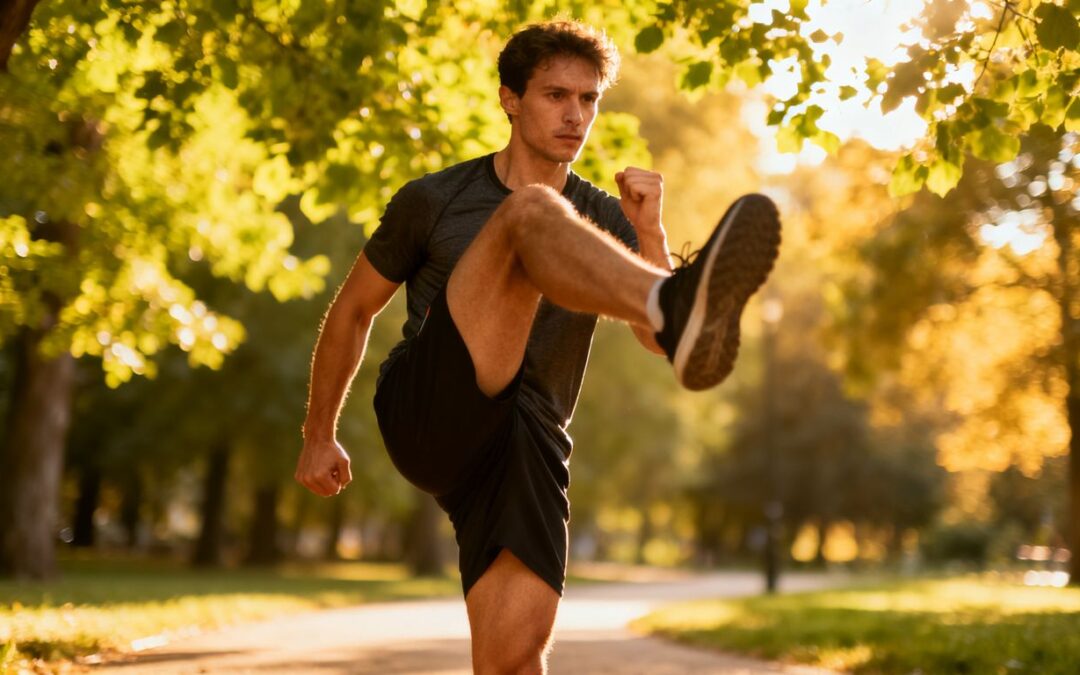
As the weather warms up, many of us want to get outside more. If you’re working on your strength rehabilitation, this is a great time to think about taking your adaptive exercise routine outdoors. It can be really good for you, both physically and mentally. But, you have to be smart about it. We’ll cover how to do your strength rehabilitation safely and effectively when it’s warmer, making sure you get the most out of your adaptive exercise without any issues.
Key Takeaways
-
Moving your strength rehabilitation and adaptive exercise outdoors has many benefits, like fresh air and a change of scenery.
-
Staying hydrated and eating right is super important when you’re doing adaptive exercise in the heat.
-
You might need to change up your strength rehabilitation exercises to work better in warmer weather.
-
Pay attention to your body to avoid getting too hot or tired during your adaptive exercise sessions.
-
Wearing the right clothes and using sun protection will make your outdoor strength rehabilitation much safer.
Embracing Outdoor Strength Rehabilitation
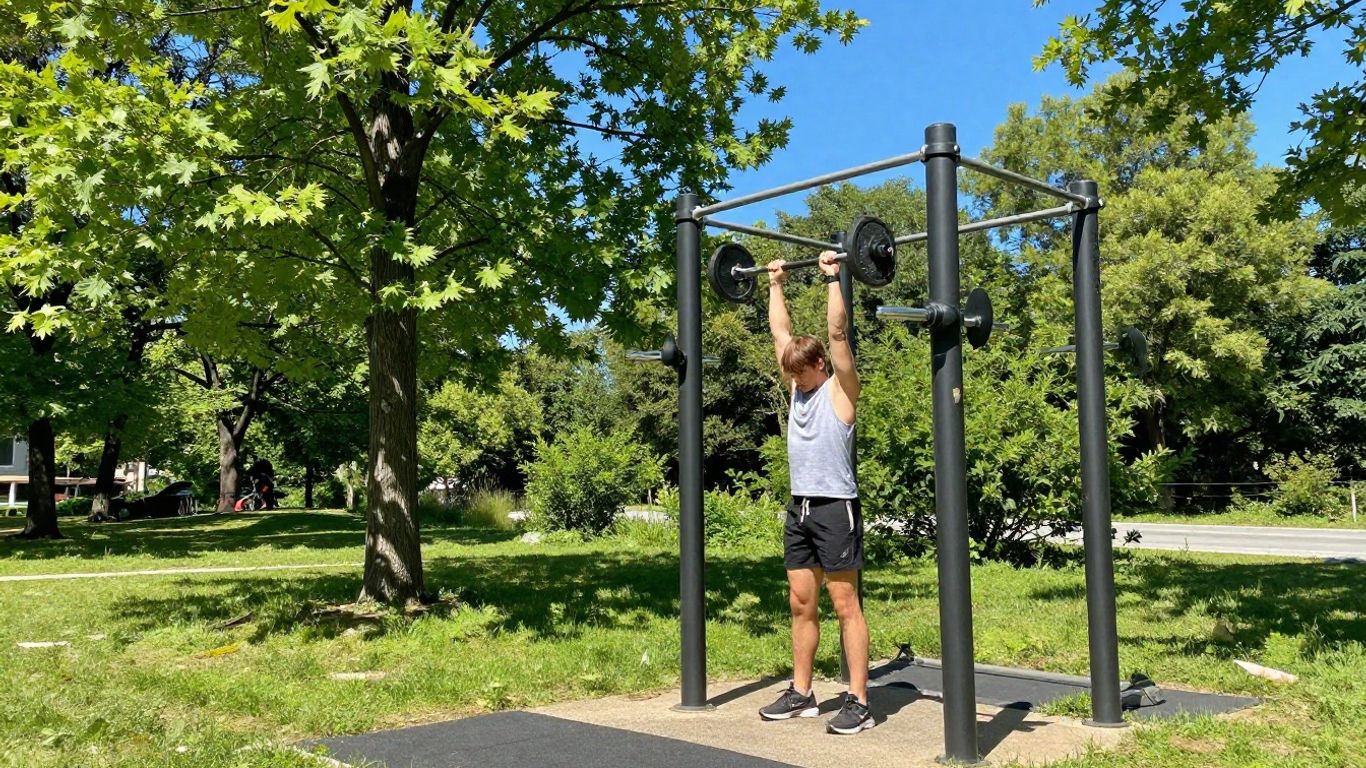
As the weather warms up, it’s a great time to think about taking your strength rehabilitation outside. There’s something about being in the fresh air that just feels good, right? It can really change up your routine and give you a new perspective on your recovery.
Benefits of Outdoor Adaptive Exercise
Moving your rehab outdoors offers a bunch of pluses. For starters, the change of scenery can be a real mood lifter. Being surrounded by nature, even just a local park, can help reduce stress and make your workout feel less like a chore and more like an enjoyable activity. Plus, the natural environment often provides opportunities for different kinds of movements and challenges that you might not get indoors. It’s a fantastic way to reconnect with your body and the world around you.
-
Improved mood and reduced stress
-
Exposure to natural light and fresh air
-
Varied terrain and sensory input
-
Opportunity for social interaction if exercising with others
Choosing the Right Outdoor Environment
Picking the best spot for your outdoor rehab depends on what you’re looking for and what’s accessible. A quiet park with smooth paths might be perfect for walking or gentle exercises. If you’re looking for a bit more challenge, a park with some gentle slopes or even a beach could offer new ways to work your muscles. Think about what feels comfortable and safe for you. For those new to outdoor workouts, starting with something simple like a walk around the block is a good idea. You can find some great tips for low-impact outdoor training that are perfect for warmer weather.
Safety Considerations for Outdoor Workouts
Before you head out, a few safety points are worth keeping in mind. Always check the weather forecast. You don’t want to get caught in a sudden downpour or extreme heat. Make sure you have water with you, especially if it’s warm. It’s also a good idea to let someone know where you’re going and when you expect to be back, particularly if you’re exercising alone. Stick to familiar areas at first, and be aware of your surroundings. For many, spring is a great time to start outdoor activities, but being prepared is key.
Being mindful of your surroundings and planning ahead can make your outdoor rehab sessions both effective and safe. It’s about finding that balance between pushing yourself and respecting your body’s limits, especially when you’re in a new environment.
Hydration and Nutrition for Outdoor Rehabilitation
When you’re getting stronger outside, especially when it’s warm, you really need to pay attention to what you’re drinking and eating. It’s not just about the exercises themselves; your body needs the right fuel and fluids to handle the extra demands.
Staying Hydrated During Exercise
This is probably the most important thing. When you sweat more, you lose water, and if you don’t replace it, you can feel pretty rough. Dehydration can sneak up on you and really mess with your workout and recovery.
-
Start drinking water before you even head out the door. Don’t wait until you’re thirsty.
-
Keep a water bottle with you and take sips frequently, even during rest periods between sets.
-
Aim for plain water most of the time, but if you’re doing a longer or more intense session, think about something with electrolytes.
You might think you’re drinking enough, but it’s easy to underestimate how much fluid you lose when you’re active in the heat. Keep track of your intake and listen to your body’s signals.
Fueling Your Body for Recovery
After you’ve pushed yourself, your muscles need nutrients to repair and grow. Think about what you eat in the hours following your outdoor session.
-
Include a good source of protein to help rebuild muscle tissue.
-
Don’t forget carbohydrates to replenish your energy stores.
-
Healthy fats are also important for overall bodily functions and can help with inflammation.
Electrolyte Balance for Active Individuals
Electrolytes are minerals like sodium, potassium, and magnesium that help your body maintain fluid balance and nerve function. When you sweat a lot, you lose these too. For longer or more strenuous outdoor rehab, keeping these balanced is key. You can get them from certain foods or specialized drinks. Maintaining fluid balance is more than just drinking water; it’s about replacing what you lose.
-
Consider sports drinks or electrolyte tablets if your workout lasts over an hour or is particularly intense.
-
Bananas are a great source of potassium.
-
Salty snacks in moderation can help replace lost sodium, but be mindful of your overall intake.
Remember, proper hydration is a cornerstone of any fitness plan, and it becomes even more critical when you’re exercising outdoors in warmer weather.
Adapting Your Strength Rehabilitation Routine
So, the weather’s warming up, and you’re itching to take your rehab outside. That’s great! But just because it’s nice out doesn’t mean you can just wing it. You’ve got to make some smart changes to your usual routine to keep things safe and effective. It’s all about working with the warmer weather, not against it.
Modifying Exercises for Warmer Temperatures
When the temperature climbs, your body works harder to stay cool. This means you might get tired faster. Think about reducing the weight you’re lifting or cutting back on the number of reps you do for each set. It’s better to do a bit less and finish strong than to push too hard and risk injury or heat-related issues. Maybe swap out some high-intensity bursts for longer, steadier efforts. For example, instead of doing a quick circuit, you might focus on slower, controlled movements. This approach helps you continue your training safely and effectively even in warm conditions. Consider taking your workouts outside strategically.
Incorporating Natural Elements into Training
Nature offers a fantastic, free gym! Think about using hills for walking or light jogging if your rehab allows. Uneven ground can challenge your balance and engage different muscles. You can also use sturdy park benches for step-ups or incline push-ups. Even just finding a shady spot to do some floor exercises can make a big difference in comfort. It’s a good way to make your rehab feel less like a chore and more like an enjoyable activity.
Progressive Overload in Outdoor Settings
Progressive overload is still key, even when you’re outside. But you’ll need to be more mindful about how you increase the challenge. Instead of just adding more weight, consider these options:
-
Increase duration: Hold a stretch or a static exercise for a longer period.
-
Improve form: Focus on making each movement more controlled and precise.
-
Add repetitions: Once you feel comfortable, slowly increase the number of reps.
-
Reduce rest: Shorten the time you take between sets.
Remember that your body’s response to exercise can change significantly with temperature. What felt easy indoors might feel much harder outdoors. Pay close attention to how you’re feeling and adjust your plan accordingly. It’s a balancing act between pushing yourself and respecting your body’s limits.
Starting back can feel daunting, but simple exercises can make a big difference. For instance, isometric holds like wall sits are a great way to begin rebuilding strength without putting too much stress on your joints. Gradually increase hold times and intensity as you get stronger.
Listen to Your Body: Preventing Overexertion
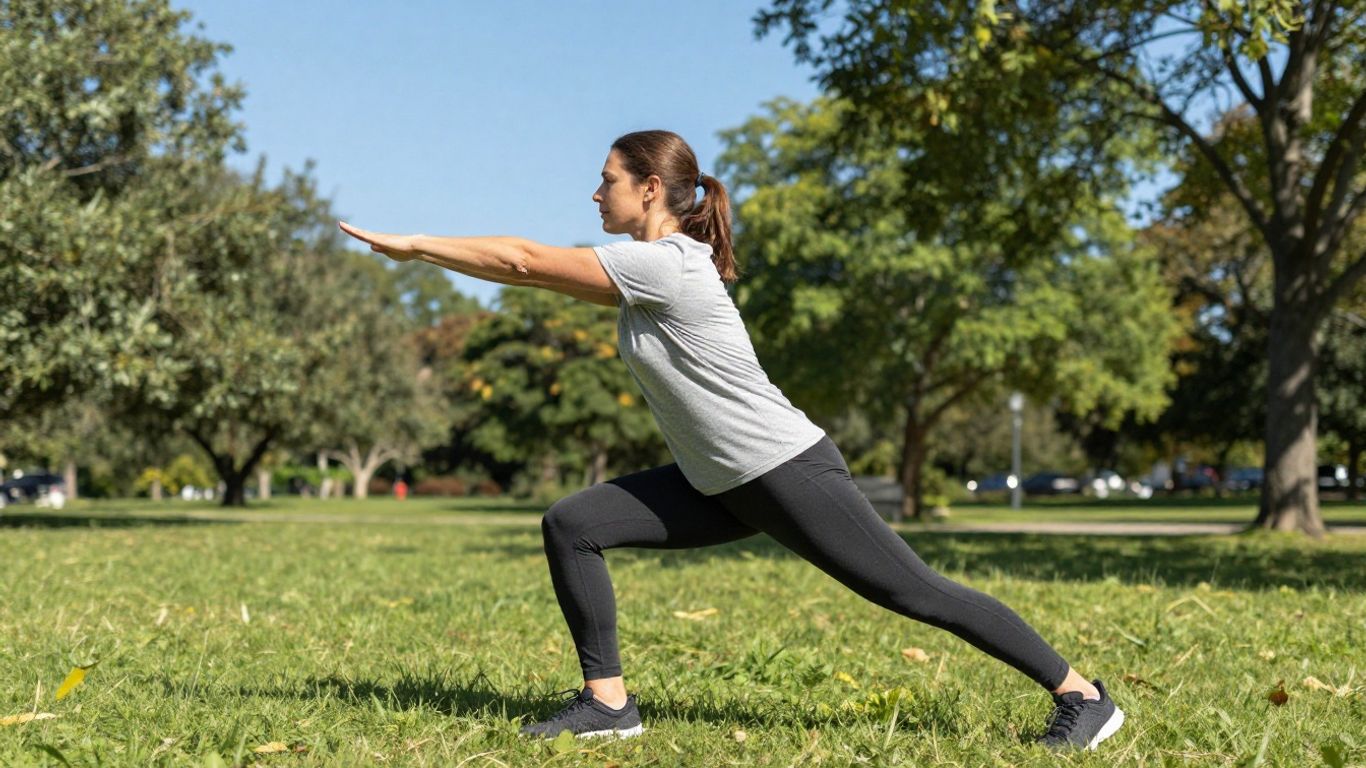
When you’re getting back into strength training, especially outdoors as the weather warms up, it’s super important to pay attention to what your body is telling you. Pushing too hard, too fast, can really set back your progress and even lead to injury. Think of it like this: your muscles are still healing and adapting, and they need time to get stronger without being overloaded.
Recognizing Signs of Heat Exhaustion
Warm weather adds another layer of challenge. Your body works harder to stay cool, which can make you feel tired more quickly. Watch out for these signs that you might be overheating:
-
Heavy sweating, or sometimes a sudden stop in sweating
-
Muscle cramps
-
Feeling dizzy or lightheaded
-
Nausea or vomiting
-
A rapid, weak pulse
If you notice any of these, it’s time to stop what you’re doing, find a cool spot, and rehydrate. Don’t try to tough it out.
Pacing Your Strength Rehabilitation Efforts
It’s tempting to jump back into your old routine, but that’s usually not the best idea. Instead, focus on gradual progression. This means starting with lighter weights or fewer repetitions than you think you can handle. As you get stronger, you can slowly increase the intensity. Consistency over intensity is the name of the game here. You want to build a sustainable habit, not burn yourself out in a week. Consider using a training log to track your workouts; it helps you see your progress and know when it’s safe to increase the challenge.
Pushing your limits is part of getting stronger, but there’s a fine line between challenging yourself and overdoing it. When you’re working out in warmer temperatures, your body is already under more stress. Adding too much physical exertion on top of that can lead to problems. It’s better to have a slightly shorter, less intense workout than to push so hard that you need days to recover or, worse, get injured.
The Importance of Rest and Recovery
Rest days are just as vital as your workout days. This is when your muscles actually repair and grow stronger. If you’re feeling unusually sore for more than 48 hours after a workout, it might be a sign that you’re not recovering properly. This prolonged soreness is different from the normal muscle fatigue you might feel after a good session. Listening to your body means recognizing when you need an extra rest day or a lighter workout. Proper sleep and good nutrition also play a huge role in your recovery process.
Gear Up for Successful Outdoor Adaptive Exercise
Getting your setup right before you head outside for your rehabilitation exercises can make a big difference. It’s not just about throwing on any old clothes and heading out the door. Thinking ahead about what you’ll wear, how you’ll protect yourself from the sun, and what tools you might need will help you stay comfortable and focused.
Appropriate Attire for Warm Weather
When it’s warmer, the clothes you choose really matter. You want things that breathe well and don’t hold in too much heat. Think about fabrics that wick away sweat, keeping you drier and more comfortable. Loose-fitting clothing is generally better than anything too tight, as it allows air to circulate.
-
Lightweight, breathable fabrics: Look for materials like cotton blends, linen, or specialized athletic wear designed for heat.
-
Moisture-wicking properties: These fabrics pull sweat away from your skin.
-
Loose-fitting styles: Avoid anything that constricts movement or traps heat.
-
Comfortable footwear: Make sure your shoes are supportive and well-ventilated.
Sun Protection Strategies
Sunburn and heatstroke are real risks when you’re exercising outdoors, especially during rehabilitation when you might be more focused on the movements themselves. Protecting your skin and eyes is non-negotiable.
-
Sunscreen: Apply a broad-spectrum sunscreen with an SPF of 30 or higher to all exposed skin. Reapply every couple of hours, or more often if you’re sweating a lot.
-
Hats: A wide-brimmed hat can shade your face, neck, and ears.
-
Sunglasses: Choose sunglasses that offer UV protection to shield your eyes.
-
Timing: If possible, schedule your workouts for earlier in the morning or later in the afternoon when the sun is less intense.
Essential Equipment for Outdoor Training
Depending on your specific rehabilitation plan, you might need a few key items to make your outdoor sessions effective and safe. It’s not about bringing the whole gym with you, but having the right small items can be a game-changer. For instance, resistance bands are incredibly versatile and easy to carry. If you’re working on balance, a sturdy, portable mat can provide a stable surface on uneven ground. Staying hydrated is also key, so a good water bottle is a must-have. You might also consider bringing a small towel to wipe away sweat. For some, a portable exercise mat can offer a clean and stable surface for floor exercises.
Being prepared with the right gear means you can concentrate on your movements and recovery, rather than being distracted by discomfort or potential hazards. It’s about setting yourself up for success so you can get the most out of your time outside.
Mindful Movement and Mental Well-being
The Psychological Benefits of Outdoor Rehabilitation
Getting your strength rehab done outside when the weather’s nice isn’t just about the physical gains. There’s a whole mental side to it that’s pretty great. Being out in nature, even just for a workout, can really shift your mood. Think about it: fresh air, sunshine, maybe some birds chirping. It’s a nice change from being stuck inside. This connection to the natural world can make the whole process feel less like a chore and more like a positive part of your day. It’s a good way to shake off some stress and just feel a bit more grounded. Plus, seeing other people out and about can be motivating too.
Mindfulness Techniques During Adaptive Exercise
When you’re doing your exercises outdoors, try to really be present. Instead of just going through the motions, pay attention to how your body feels with each movement. Notice the ground beneath your feet, the breeze on your skin, or the sounds around you. This kind of focus can help you tune into your body’s signals better, which is super important for rehab. It also stops your mind from wandering to worries or to-do lists. It’s like a mini-meditation session mixed with your workout. Some simple things you can try:
-
Focus on your breath during each rep.
-
Feel the texture of the equipment or the ground.
-
Notice the temperature and how your body reacts.
Connecting with Nature for Enhanced Recovery
Spending time outdoors for your rehab can really help with recovery. It’s not just about the exercise itself. The environment plays a big role. Being in a park or a natural setting can help reduce feelings of fatigue and improve your overall outlook. It’s a gentle way to push yourself without feeling overwhelmed. You might find that you can actually do a bit more when you’re not staring at a gym wall. It’s a good reminder that healing can be a pleasant experience. For some ideas on how to get moving outside, you can look into gentle outdoor activities. It’s amazing how much a change of scenery can do for your spirit and your body’s healing process.
The simple act of moving your body in a natural setting can have a profound effect on your mental state. It’s a chance to disconnect from daily stressors and reconnect with yourself and the environment. This can lead to a greater sense of peace and well-being, making your rehabilitation journey smoother and more enjoyable.
Connecting your body and mind through movement can really boost how you feel. Simple activities like walking or stretching can make a big difference in your mood and stress levels. Want to learn more about how to get started with mindful movement? Visit our website today to discover easy ways to bring more peace into your day!
Wrapping Up: Your Next Steps
So, as the weather gets nicer, remember to ease back into things. Listen to your body, don’t push too hard too fast, and keep up with those exercises. Getting stronger is a marathon, not a sprint, especially after an injury. Enjoy the sunshine, stay consistent with your rehab, and you’ll be back to doing all the things you love before you know it. Keep at it, and celebrate those small wins along the way!
Frequently Asked Questions
Why is exercising outside good for getting stronger after an injury?
Working out outside when it’s warm can be really helpful! The fresh air feels great, and nature can be super motivating. Plus, using things like park benches or hills can add new challenges to your exercises, helping you build strength in different ways than you might indoors.
How can I make sure I drink enough water when I’m exercising outside?
It’s super important to drink plenty of water before, during, and after your outdoor workouts. Carry a water bottle with you and take sips often, even if you don’t feel super thirsty. Sweating a lot means you need to replace those lost fluids.
What should I wear for outdoor rehab exercises in warm weather?
Lightweight, breathable clothing is your best friend! Think loose-fitting shirts and shorts made of materials that wick away sweat. This helps keep you cool and comfortable. Don’t forget a hat and sunglasses to protect yourself from the sun.
How do I know if I’m pushing myself too hard in the heat?
Pay close attention to how your body feels. Signs you might be overdoing it include feeling dizzy, getting a headache, feeling nauseous, or having very little energy. If you notice any of these, it’s time to stop, cool down, and rehydrate.
Can I still do my usual exercises outside?
You can often adapt your exercises! For example, instead of using gym weights, you might use resistance bands or even bodyweight exercises. You can also use natural things like sturdy tree branches for support or hills for walking or running. Just be smart about how you change things up.
What’s the best way to protect myself from the sun during outdoor rehab?
Sunscreen is a must! Apply a good amount of sunscreen with a high SPF to all exposed skin about 15-20 minutes before you go outside. Wearing a wide-brimmed hat and sunglasses will also shield your face and eyes. Try to exercise during cooler parts of the day, like early morning or late afternoon, if possible.
Recent Comments