

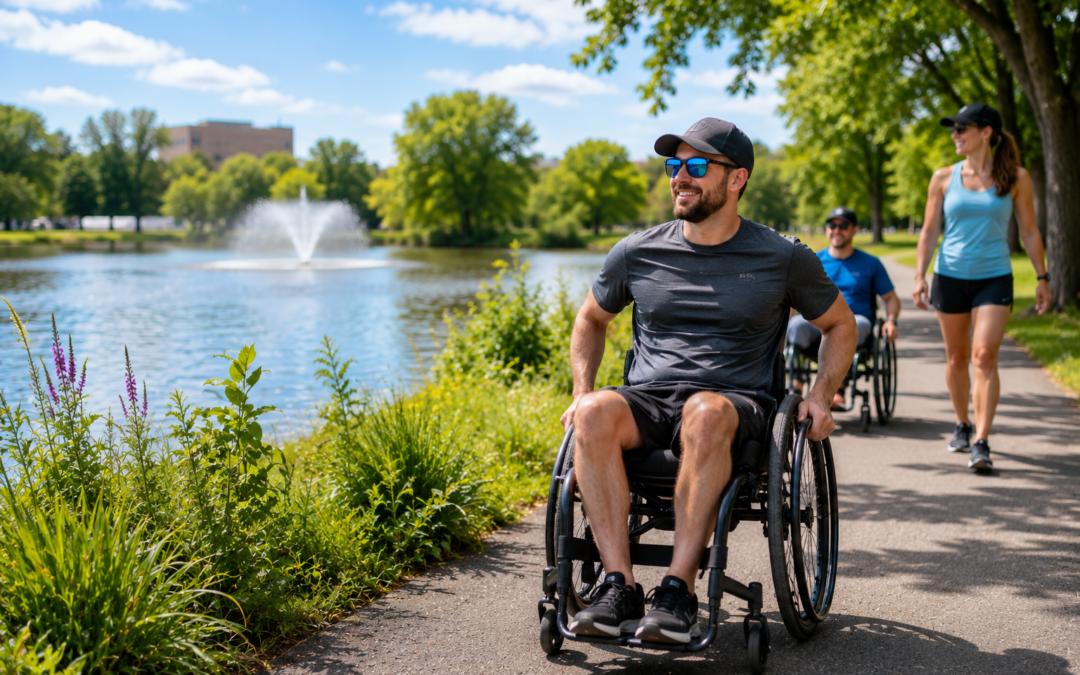
Summer in Cheektowaga, NY is full of reasons to be outside — backyard gatherings, community events, and warm evenings that Western New Yorkers wait all winter for. But for many individuals living with spinal cord injuries or neurological conditions, hot weather brings an extra layer of planning. A family preparing for an August cookout or an afternoon outing may wonder: what should we know about heat, hydration, and staying safe?
This article explains why hot weather can affect the body differently after a spinal cord injury, shares practical summer safety strategies, and points to wellness resources available to the Cheektowaga community. It’s meant as general education — always talk with your physician or healthcare team about the precautions that apply to your specific situation.
Why Hot Weather Can Feel Different After a Spinal Cord Injury
The body has a built-in cooling system. When we get hot, the nervous system signals the body to sweat and sends more blood flow toward the skin, releasing heat.
After a spinal cord injury, those signals may not travel the way they once did. Depending on the level and completeness of an injury, some people experience changes in how their body regulates temperature. This may include:
- Reduced or absent sweating below the level of injury, which limits the body’s main cooling method
- Changes in blood-flow regulation, which can affect how the body releases heat
- Reduced sensation, which can make it harder to notice early signs of overheating or sunburn
Some medications may also affect hydration or heat tolerance. Because every injury is different, heat affects every person differently. Some individuals notice significant changes, while others notice few. The key is understanding your own body — and planning ahead so summer stays enjoyable.
People living with other neurological conditions, such as multiple sclerosis, may also notice that heat affects how they feel. Again, individual experiences vary, and a healthcare provider is the best source of personal guidance.
Summer Safety Tips for Cheektowaga, NY Residents
The good news: a few consistent habits can make hot Western New York days much more manageable.
Hydration basics
- Drink water regularly throughout the day rather than waiting until you feel thirsty.
- Bring water on every outing, even short ones.
- Be mindful that some drinks, like alcohol and highly caffeinated beverages, can work against hydration.
- If you follow a fluid schedule as part of a bladder-management routine, ask your healthcare team how to balance hydration needs on hot days rather than adjusting on your own.
Keeping cool at home and on the go
- Plan outdoor activities for mornings or evenings, when temperatures are lower.
- Take breaks in shade or air conditioning during longer outings.
- Use cooling tools — a spray bottle, cooling towels, a battery-powered fan, or a cooler with cold drinks.
- Dress in lightweight, light-colored, breathable clothing.
- On very hot days, consider indoor alternatives. Cheektowaga-area libraries, community spaces, and shopping centers offer air-conditioned places to spend time.
Skin protection and sun awareness
- Apply sunscreen before going outside and reapply as directed, including on areas with reduced sensation, where a sunburn may go unnoticed.
- Check skin after time outdoors. Sun exposure, heat, and long periods of sitting can all affect skin health.
- Be cautious with surfaces that heat up in the sun — metal wheelchair components, vehicle interiors, ramps, and pavement can become hot enough to injure skin, especially where sensation is reduced.
Warning Signs That Deserve Attention
Overheating can become serious. General warning signs of heat-related illness may include feeling dizzy, weak, or nauseated; headache; flushed skin; confusion; or a body temperature that keeps rising.
Because some individuals with spinal cord injuries sweat less, the usual “I’m sweating a lot” warning sign may not appear. That makes it even more important to track time in the heat, take scheduled breaks, and listen to your body.
If you or a loved one shows signs of a possible heat emergency — such as confusion, fainting, or a high body temperature — move to a cooler place, begin cooling the body, and seek emergency medical help right away. When in doubt, call for help. This article is educational and is not a substitute for medical care.
Staying Active Safely During a Western New York Summer
Heat awareness shouldn’t mean staying inside all season. Activity and participation matter for long-term wellness — physically, socially, and emotionally. With planning, most people can keep enjoying summer:
- Choose cooler times of day for outdoor activity.
- Build rest and hydration breaks into your plans.
- Tell a friend, family member, or caregiver your plans when heading out on hot days.
- Start small when trying new warm-weather activities and see how your body responds.
- Ask your healthcare team about activity guidelines that fit your situation.
Caregivers play a role here too. If you support a loved one with a spinal cord injury, learning their personal heat-related patterns — and packing water, sunscreen, and cooling supplies — can make outings smoother for everyone.
Wellness Support in Cheektowaga, NY and Beyond
Motion Project Foundation is a Western New York nonprofit supporting individuals living with spinal cord injuries, paralysis, and other neurological conditions. Based in nearby Buffalo and associated with the Natalie Barnhard Center for Spinal Cord Injury Rehabilitation and Recovery, the foundation serves individuals and families throughout Erie County, including the Cheektowaga community.
Support extends beyond seasonal tips. The foundation’s work includes activity-based rehabilitation opportunities, one-on-one recovery sessions, community and peer connection, caregiver resources, and grant and financial-assistance opportunities that may help reduce barriers to recovery services. Wellness is a year-round pursuit, and no one has to navigate it alone.
FAQ: Heat and Spinal Cord Injury Wellness in Cheektowaga, NY
Why does heat affect some people differently after a spinal cord injury? A spinal cord injury can change how the nervous system controls sweating and blood flow — the body’s main cooling tools. The effect varies from person to person depending on the injury.
How can someone with a spinal cord injury stay cool in summer? Common strategies include planning activities for cooler hours, staying hydrated, using shade and cooling tools, wearing breathable clothing, and taking regular breaks in air conditioning.
What are possible signs of overheating? General signs may include dizziness, weakness, nausea, headache, flushed skin, or confusion. Because some individuals sweat less after an injury, don’t rely on sweating alone as a signal. Seek medical help right away for any suspected heat emergency.
Should hydration routines change in hot weather? Fluid needs can increase in the heat, but anyone following a fluid or bladder-management schedule should ask their healthcare team before making changes.
Are there spinal cord injury wellness resources near Cheektowaga, NY? Yes. Motion Project Foundation serves individuals and families throughout Western New York, including Cheektowaga. Call 716-668-4724 to ask about current programs and resources.
Can caregivers get support too? Yes. Caregiver wellness matters, and the foundation offers community connection and caregiver resources. Reach out to learn what’s currently available.
Recommendation: Add valid FAQPage schema, since these questions and answers appear visibly on the published page.
Enjoy Summer Safely in Cheektowaga, NY
Hot weather calls for planning, not avoidance. With good hydration habits, cooling strategies, skin awareness, and guidance from your healthcare team, summer in Western New York can stay what it should be — something to look forward to.
Looking for spinal cord injury wellness and recovery resources near Cheektowaga, NY? Call Motion Project Foundation at 716-668-4724 to ask about current programs, community connections, and support for individuals and families.
Recent Comments