

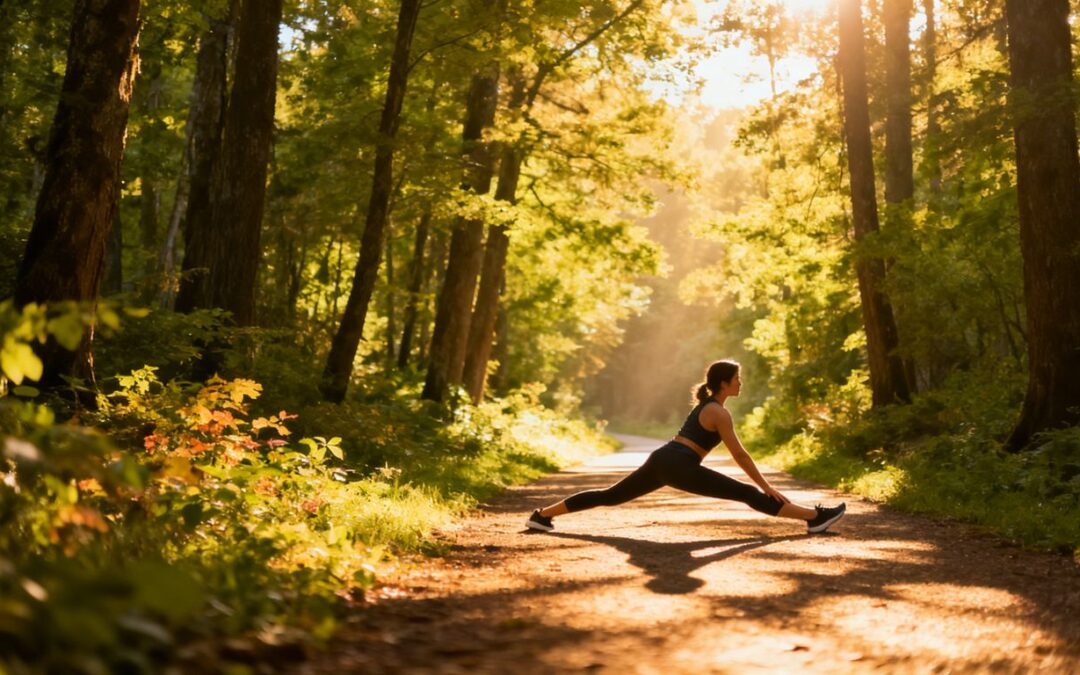
So, I’ve been thinking a lot about how we get better after an injury or illness. You know, the usual rehab therapy. But what if we took that therapy outside? Like, really outside, in nature. It sounds simple, right? But apparently, there are some pretty cool benefits to doing adaptive outdoor fitness instead of just staying in a gym. It’s about using the outdoors to help us heal and get stronger, both physically and mentally. Let’s explore how nature can be a part of our recovery.
Key Takeaways
-
Adaptive outdoor fitness uses nature to help with recovery, working alongside regular rehab therapy.
-
Being outside can make your heart healthier and muscles stronger, especially when you’re moving on uneven ground.
-
Nature helps calm you down, makes your thinking clearer, and builds your ability to bounce back from tough times.
-
Therapists can create outdoor exercise plans that are safe and work for everyone, tracking progress along the way.
-
Group activities outside can help people connect and build a support system during their recovery.
Enhancing Rehabilitation Through Nature’s Embrace
The Synergistic Effect of Nature and Rehab Therapy
It’s pretty amazing how getting outside can really change the game when it comes to recovery. Think about it: traditional rehab often happens indoors, in controlled environments. But when you bring therapy into nature, something shifts. The natural world offers a different kind of stimulation, a gentler, more organic backdrop for healing. This blend of therapeutic techniques with the natural environment creates a powerful combination that can speed up recovery and make the whole process feel less like a chore. It’s not just about the fresh air; it’s about the sensory input – the sounds of birds, the feel of the ground underfoot, the visual variety of plants and landscapes. This can help people reconnect with their bodies and surroundings in a way that sterile indoor settings just can’t replicate. It’s about finding a rhythm that feels more natural, more in tune with our bodies’ own healing processes.
Tailoring Adaptive Outdoor Fitness Programs
One of the best parts about using the outdoors for rehab is how adaptable it is. You can really tweak programs to fit exactly what someone needs. It’s not a one-size-fits-all deal. For someone recovering from an injury, maybe it’s a gentle walk on a flat trail. For someone else, it might be more challenging, like navigating uneven terrain or using natural elements for strength training. The key is to make it work for the individual.
Here’s how you can start thinking about it:
-
Assess the individual’s current abilities and goals. What can they do now, and what do they want to achieve?
-
Consider the environment. What natural spaces are accessible and safe? Think parks, trails, even a backyard.
-
Plan for progression. Start simple and gradually increase the difficulty as the person gets stronger and more confident.
It’s about meeting people where they are and using the outdoors as a tool to help them move forward. This kind of personalized approach is what makes adaptive outdoor fitness so effective for long-term independence, building long-term independence.
Overcoming Barriers in Nature-Based Rehab
Of course, it’s not always sunshine and smooth trails. There are definitely hurdles to jump over when you’re trying to do rehab outside. Things like weather can be a big one – too hot, too cold, or rainy days can put a damper on plans. Then there’s accessibility. Not all natural spaces are easy to get to or navigate, especially for people with mobility issues. And sometimes, people just feel a bit hesitant or unsure about being outdoors, especially if they’ve been cooped up for a while.
It’s important to remember that these challenges aren’t roadblocks, just things to plan around. With a bit of creativity and flexibility, most of these issues can be managed. Thinking ahead about backup plans for bad weather, finding accessible routes, and providing gentle encouragement can make a huge difference. The support system around the person in rehab also plays a big part; involving family in rehabilitation can help overcome some of these hesitations and provide practical assistance.
Physical Benefits of Adaptive Outdoor Fitness
Improved Cardiovascular Health in Natural Settings
Getting your heart rate up outside is a whole different ballgame than being stuck on a treadmill. The uneven ground, the changing inclines, and even just the fresh air can make your cardiovascular system work a bit harder, in a good way. Think of it as your heart getting a more dynamic workout. It’s not just about hitting a certain speed; it’s about adapting to the environment. This can lead to better stamina and a stronger ticker over time. Plus, the sheer enjoyment of being outdoors often makes you push yourself a little further without even realizing it.
Increased Strength and Endurance Outdoors
When you’re exercising outside, you’re not just moving against air resistance. You’re working with the natural world. Walking on sand, hiking up a trail, or even just carrying adaptive equipment over varied terrain all build muscle. Your body has to constantly adjust, which means more muscles get engaged than you might expect. This kind of functional strength is really useful for everyday life. It’s about building a body that’s ready for anything, not just a gym routine. You’ll find your endurance just naturally improves as you spend more time out there.
Enhanced Balance and Coordination Through Terrain Variation
This is where nature really shines. Forget flat, predictable surfaces. Outdoors, you’ve got roots to step over, rocks to navigate, and slopes to manage. These challenges are fantastic for improving your balance and coordination. Your brain and body have to work together in new ways to keep you steady. It’s like a constant, low-level training session for your proprioception – that sense of where your body is in space. This can be a game-changer for people recovering from injuries or dealing with conditions that affect mobility. It helps build confidence in your own physical capabilities.
Working with different surfaces and inclines means your body is constantly making micro-adjustments. This isn’t something you get from a controlled gym environment. It’s about learning to move efficiently and safely in a world that isn’t perfectly smooth.
Here are a few ways terrain helps:
-
Uneven ground: Forces your stabilizing muscles to engage more.
-
Inclines and declines: Work different muscle groups and challenge your balance.
-
Obstacles: Require precise movements and quick reactions.
It’s amazing how much progress can be made just by changing the scenery and the ground beneath your feet. You can find programs that focus on these aspects, helping you get the most out of your outdoor sessions. Adaptive sports programs can be a great starting point.
Mental and Emotional Well-being in Outdoor Rehab
Stress Reduction and Mood Enhancement
Spending time outside, especially in green spaces, really does wonders for your head. It’s not just a feeling; studies show that being in nature can actually lower your stress hormones. Think about it – when you’re out for a walk in the woods or sitting by a lake, the constant buzz of daily life just seems to fade away. This kind of calm can make a big difference for people going through rehab. It’s a natural mood booster, helping to shake off those feelings of being down or overwhelmed. It’s like a reset button for your brain.
Cognitive Benefits of Nature Exposure
Beyond just feeling relaxed, nature can actually help your brain work better. When you’re stuck indoors, your mind can get a bit foggy. But stepping outside, even for a short while, can clear that fog. It helps with focus and attention. You might find yourself thinking more clearly and being able to solve problems more easily after some time spent in a natural setting. It’s a gentle way to give your brain a break and recharge its batteries.
Building Resilience Through Outdoor Challenges
Adaptive outdoor fitness isn’t just about physical gains; it’s also about building mental toughness. Facing and overcoming small challenges in nature, like navigating uneven paths or adapting to changing weather, builds confidence. These experiences teach you that you can handle difficult situations and bounce back. It’s about learning to adapt and persevere, which are skills that carry over into all parts of life.
The simple act of being present in nature, observing its details, and engaging with its elements can shift your perspective. It reminds you of the bigger picture and your place within it, often leading to a sense of peace and acceptance that’s hard to find elsewhere. This connection is a powerful part of healing.
Here are a few ways nature helps your mind:
-
Reduced rumination: Less time spent dwelling on negative thoughts.
-
Improved attention: Better ability to focus on tasks.
-
Increased positive emotions: More feelings of happiness and contentment.
Getting outdoors can be a really effective part of a therapy plan, helping people feel better both mentally and emotionally. It’s a different kind of therapy, one that uses the natural world as its main tool for healing. This approach to nature therapy is gaining more attention because it works.
Integrating Adaptive Outdoor Fitness into Therapy
Designing Accessible Outdoor Exercise Routines
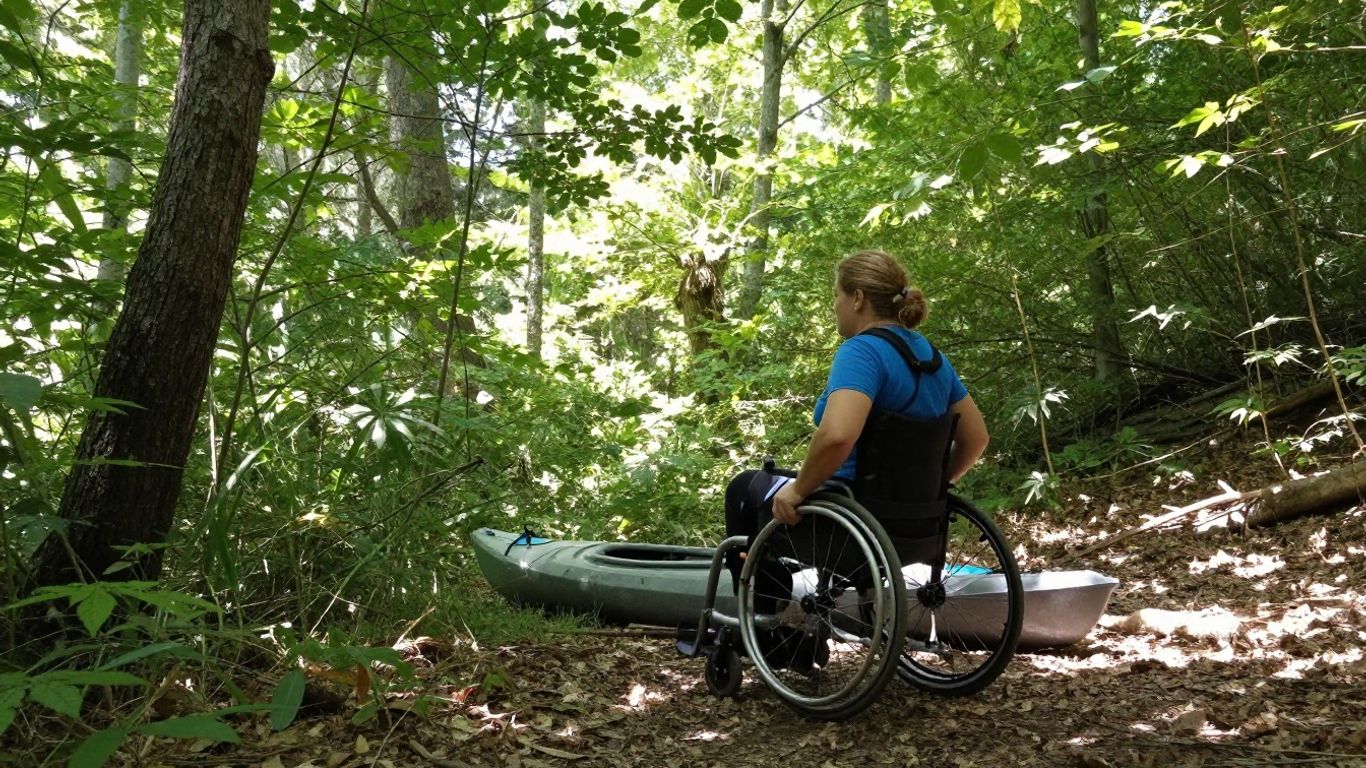
Getting people moving outside, especially those with specific needs, takes some thought. It’s not just about picking a park and going for a walk. We need to think about what works for each person. This means looking at their physical abilities, what they enjoy, and what challenges they might face. The goal is to make the outdoors a place for healing and growth, not frustration. For example, someone recovering from a leg injury might start with gentle walks on flat, paved paths, while someone working on balance could benefit from uneven natural terrain, but with support nearby. It’s all about finding that sweet spot where the activity is challenging enough to be effective but not so difficult that it causes setbacks.
-
Consider the environment: Is it safe? Are there accessible paths? What’s the weather like?
-
Match activities to individual goals: Strength, balance, endurance, or just getting fresh air.
-
Start simple and build up: Don’t try to do too much too soon.
The Role of Therapists in Guiding Outdoor Sessions
Therapists are key players here. They’re the ones who really understand what each person needs. They don’t just point you towards a trail; they’re there to guide, adapt, and support. Think of them as coaches and safety nets all rolled into one. They can show you how to use the natural environment to your advantage, like using a sturdy tree trunk for support during stretches or finding a smooth rock to sit on. They also help manage expectations and celebrate small wins, which can be huge when you’re working through recovery. It’s about making sure the outdoor experience is positive and productive, helping people get back to doing the activities they love.
The therapist’s role shifts from a clinical setting to a more dynamic, natural one. They become facilitators of movement and well-being, using the outdoor space as their therapy room. This requires a different kind of observation and intervention, focusing on how the individual interacts with the environment and how that interaction impacts their progress.
Measuring Progress in Adaptive Outdoor Fitness
Figuring out if someone is actually getting better when they’re outside can seem tricky. It’s not like counting reps on a machine in a gym. But there are ways. Therapists can observe changes in a person’s stamina during a hike, their confidence on a slightly tricky path, or even their mood after a session. We can track how far someone can walk without getting tired, how steady they are on their feet, or how much they’re participating in group activities. Sometimes, it’s the simple things, like seeing someone smile more or express less pain, that tell you things are moving in the right direction. It’s about looking at the whole picture, not just one number. This approach helps individuals with conditions like autism, for instance, to develop a sense of accomplishment and improve their overall well-being through tailored activities.
Community and Social Aspects of Nature Therapy
Fostering Connection Through Group Outdoor Activities
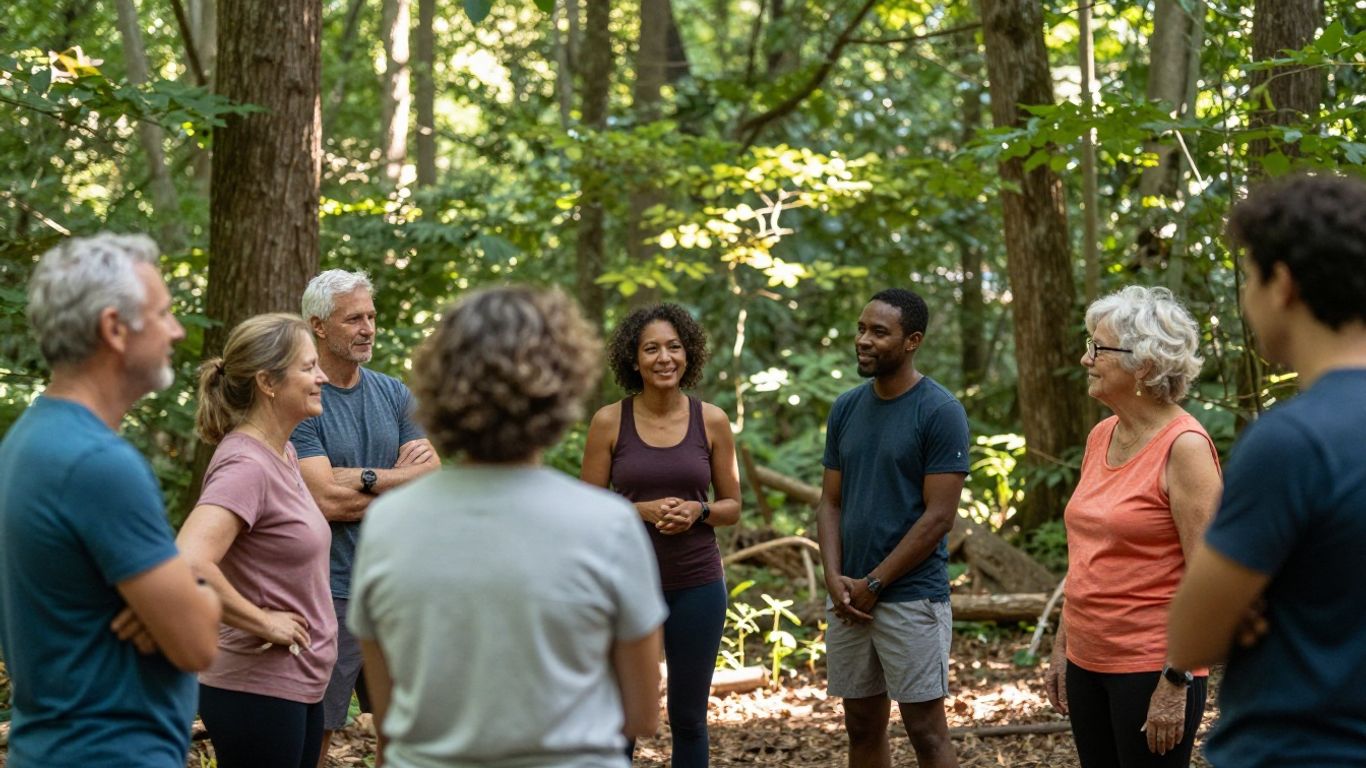
Getting outside with others can really make a difference, especially when you’re working on your fitness or recovery. Think about joining a group for a hike or a nature walk. It’s not just about the exercise; it’s about sharing the experience. These shared moments in nature can build bonds that are hard to replicate indoors. It’s a chance to chat, laugh, and support each other without the pressure of a formal setting. Activities like kayaking trips or even just a simple park visit can create a sense of belonging.
Building Support Networks in Nature-Based Rehab
When you’re part of an outdoor therapy group, you’re not just exercising; you’re building a community. People going through similar challenges can find common ground and offer each other encouragement. This kind of peer support is incredibly powerful. You learn from others, share tips, and celebrate small victories together. It’s a reminder that you’re not alone on your journey.
The Social Impact of Adaptive Outdoor Fitness
Adaptive outdoor fitness goes beyond individual gains. It creates opportunities for social interaction that might otherwise be missed. Consider these points:
-
Reduced Isolation: Group activities naturally combat feelings of loneliness.
-
Shared Goals: Working towards fitness goals together strengthens relationships.
-
Improved Communication: Natural settings often encourage more open and relaxed conversations.
-
Sense of Purpose: Contributing to a group effort can boost self-esteem.
Being outdoors with others can make the hard work feel lighter. It’s amazing how a shared view of a sunset or the sound of birds can bring people closer. This connection is a big part of why nature therapy works so well for so many people, helping them feel more connected to both nature and each other.
These programs help people connect with nature and with each other, which is a big win. It’s about finding strength not just in your own body, but in the people around you too. This kind of social connection is really important for overall well-being, and it’s something that nature-based activities can really help with.
Nature therapy helps people connect with the outdoors, which can be great for their well-being. It’s not just about being outside; it’s about building a sense of belonging and shared experiences with others. These activities can strengthen bonds and create a supportive community around nature. Want to learn more about how nature can bring people together? Visit our website to explore the benefits and find ways to get involved.
Wrapping It Up
So, getting outside for your workouts isn’t just about a change of scenery. It really seems to make a difference for your mind and body. Think about it – fresh air, natural sounds, and just being in nature can really help you feel better. It’s not complicated, and you don’t need fancy gear. Just stepping outside can be a good start. Maybe try a walk in the park or a hike sometime soon. You might find it’s a pretty good way to get fit and feel good, all at the same time.
Frequently Asked Questions
What exactly is adaptive outdoor fitness?
Adaptive outdoor fitness is like a special workout plan designed for people with different abilities. Instead of being stuck inside a gym, you get to exercise in nature – think parks, trails, or beaches! It’s all about making fitness fun and accessible, no matter your physical challenges.
How does working out in nature help with getting better after an injury or illness?
Nature has a cool way of helping us heal. Being outside can lower stress, make you feel happier, and even help your brain focus better. When you combine this with exercises that are adjusted for you, it can speed up your recovery and make you feel stronger, both in your body and mind.
Is it safe for everyone to do these outdoor workouts?
Safety is super important! These programs are designed to be safe for everyone. Trainers make sure the exercises fit your needs and the environment is suitable. They’ll help you navigate uneven ground or other natural challenges so you can focus on getting stronger.
What kind of physical improvements can I expect?
You might notice your heart gets healthier from walking or hiking, your muscles get stronger from doing exercises on different surfaces, and your balance and coordination improve as you move over rocks, roots, or sand. It’s a full-body workout powered by the great outdoors!
Can nature therapy really help my mood and stress levels?
Absolutely! Studies show that spending time in nature can really calm your mind and lift your spirits. The fresh air, sunlight, and natural sounds can melt away stress and make you feel more positive and less worried. It’s like a natural mood booster!
How do therapists help with these outdoor sessions?
Therapists are like guides for your outdoor fitness journey. They create personalized exercise plans, teach you how to do the movements correctly and safely in nature, and help you overcome any mental or physical hurdles you might face. They’re there to support you every step of the way.
Recent Comments