


Getting better after a tough time with your mental health is a journey. It’s not always a straight line, and feelings can change a lot. One thing that can really help is moving your body. This article looks at how getting active, even in small ways, can make a big difference in your mental health rehabilitation. We’ll talk about different kinds of movement and how to make them a regular part of your recovery.
Key Takeaways
-
Emotional ups and downs are normal during mental health rehabilitation. Learn to expect them and have ways to cope.
-
Physical activity isn’t just for your body; it’s a powerful tool for managing your feelings and improving your mental health rehabilitation.
-
Find ways to move that you actually enjoy. This makes it much more likely you’ll stick with it as part of your mental health rehabilitation.
-
Building a routine with movement, even simple things like walking, can create a sense of stability and progress in your mental health rehabilitation.
-
Don’t be afraid to ask for help from friends, family, or professionals. Support makes a huge difference in mental health rehabilitation.
Understanding Emotional Shifts During Mental Health Rehabilitation
Recovery from mental health challenges isn’t a straight line, and that’s perfectly normal. You’re going to experience a whole range of feelings as you work through things. It’s like riding a rollercoaster sometimes – ups, downs, and unexpected turns. Being aware of these shifts is the first step to managing them.
Navigating the Emotional Landscape of Recovery
Think of your emotional state during rehab as a landscape you’re exploring. Some days might feel sunny and clear, while others are cloudy or even stormy. It’s important not to judge yourself for these feelings. They are part of the process. You might feel a surge of hope one moment, followed by a wave of sadness or frustration the next. This ebb and flow is common.
Recognizing Common Emotional Challenges
There are a few feelings that pop up pretty often when people are in recovery. Knowing what to expect can make them feel less scary.
-
Anxiety: Worrying about the future, or even just the next hour, can be a big one. It might feel like a constant hum of unease.
-
Sadness or Depression: Even when you’re working towards feeling better, periods of low mood can still happen. It’s not a sign of failure.
-
Irritability: Small things might start to really get on your nerves. You might find yourself snapping more easily.
-
Feeling Overwhelmed: Sometimes, the sheer amount of work involved in recovery can feel like too much.
It’s easy to get caught up in thinking that recovery means feeling happy all the time. But that’s not realistic. The goal is to build resilience and learn how to handle the tough stuff when it comes up, not to eliminate difficult emotions entirely. They are signals, not sentences.
The Role of Physical Activity in Emotional Regulation
This is where getting your body moving really comes into play. Physical activity isn’t just about your physical health; it’s a powerful tool for managing your emotions. When you’re feeling anxious, a brisk walk can help burn off that nervous energy. If you’re feeling down, gentle movement might lift your spirits a bit. It’s about finding ways to use your body to help calm your mind and process what you’re feeling.
Integrating Movement for Enhanced Mental Health Rehabilitation

So, you’re in the thick of mental health rehabilitation, and maybe the idea of exercise feels like just another thing on the to-do list. But honestly, it’s more than just moving your body; it’s about actively shaping how you feel. When we get our bodies moving, we’re not just building physical strength, we’re also building emotional resilience. It’s like giving your brain a little boost, helping it manage stress and improve your overall mood.
Tailoring Exercise to Individual Needs
This isn’t about suddenly training for a marathon. The key here is finding what works for you. What feels good? What can you realistically stick with? It might be a gentle walk around the block, some stretching in your living room, or even just dancing to your favorite song for a few minutes. The goal is to find activities that don’t feel like a chore. Think about what you used to enjoy, or what sparks even a tiny bit of interest now. Sometimes, just starting with a short, manageable goal is the best way forward. For instance, aiming for a 10-minute walk three times a week is a lot more achievable than planning an hour-long gym session.
Finding Joy in Physical Activity
Let’s be real, if it feels like work, you’re probably not going to do it. So, how do we make movement enjoyable? It’s about connecting with activities that bring a sense of pleasure or accomplishment. Maybe it’s exploring a new park, listening to a podcast while you walk, or finding a workout buddy. The social aspect can make a big difference, turning a solo activity into a shared experience. Remember, the point isn’t to push yourself to exhaustion, but to find moments of lightness and fun. This is where you can really start to see progress in your recovery journey, and Motion Project has some great insights on personalized approaches.
Building a Sustainable Movement Routine
Creating a routine that sticks is all about consistency, not intensity. It’s better to do something small every day than to do a lot once in a while and then burn out. Think about building habits gradually. Start small, celebrate the wins, and don’t beat yourself up if you miss a day. Life happens, and recovery isn’t always linear. The aim is to integrate movement into your life in a way that feels natural and supportive, not like another burden.
Building a sustainable routine means being flexible and kind to yourself. It’s about finding a rhythm that supports your mental and physical well-being without adding undue pressure. Small, consistent efforts often yield the most significant long-term benefits.
Mindful Movement Practices for Emotional Well-being
The Power of Mindful Walking
Walking is pretty straightforward, right? You just put one foot in front of the other. But when you add a bit of mindfulness to it, it becomes something else entirely. It’s about paying attention to what’s happening right now, without judging it. So, instead of just zoning out while you walk, try to notice the feeling of your feet hitting the ground, the rhythm of your steps, the air on your skin. This simple act can ground you in the present moment. It’s a great way to clear your head when things feel overwhelming. You can do it anywhere, really – around the block, in a park, even just pacing in your living room. It’s a gentle way to connect with your body and the world around you, and it doesn’t require any special gear or skills. It’s a good starting point for anyone looking to add a bit more calm to their day. You can find some great walking routes online to get you started.
Exploring Yoga and Tai Chi for Stress Reduction
Yoga and Tai Chi are often talked about when it comes to relaxation, and for good reason. They combine slow, deliberate movements with focused breathing. Yoga, with its various poses, helps stretch and strengthen your body while also encouraging a calm mind. It’s not about being super flexible; it’s about moving in a way that feels good for you. Tai Chi, on the other hand, is like a moving meditation. The flowing, circular motions can feel really soothing, and the emphasis on balance and posture helps you feel more centered. Both practices can be really helpful for managing stress and anxiety that often comes up during recovery. You don’t need to be an expert to start; many beginner classes are available.
Incorporating Deep Breathing Exercises
Breathing is something we do all the time without thinking, but when we consciously slow it down and deepen it, it can have a big impact on our nervous system. It’s like hitting a reset button for your body and mind. Here are a few simple ways to try it:
-
Diaphragmatic Breathing: Lie down or sit comfortably. Place one hand on your chest and the other on your belly. Breathe in slowly through your nose, feeling your belly rise more than your chest. Exhale slowly through your mouth. Repeat for a few minutes.
-
Box Breathing: Inhale slowly for a count of four, hold your breath for a count of four, exhale slowly for a count of four, and hold your breath out for a count of four. This creates a steady rhythm.
-
4-7-8 Breathing: Inhale quietly through your nose for a count of four, hold your breath for a count of seven, and exhale completely through your mouth with a whooshing sound for a count of eight. This one is known for its calming effect.
These breathing techniques are simple tools you can use anytime, anywhere, to help bring yourself back to a calmer state. They don’t require any equipment and can be practiced discreetly.
Practicing these mindful movement and breathing techniques regularly can make a real difference in how you feel day-to-day during your recovery journey. They are accessible ways to support your emotional well-being.
Building a Supportive Environment for Mental Health Rehabilitation
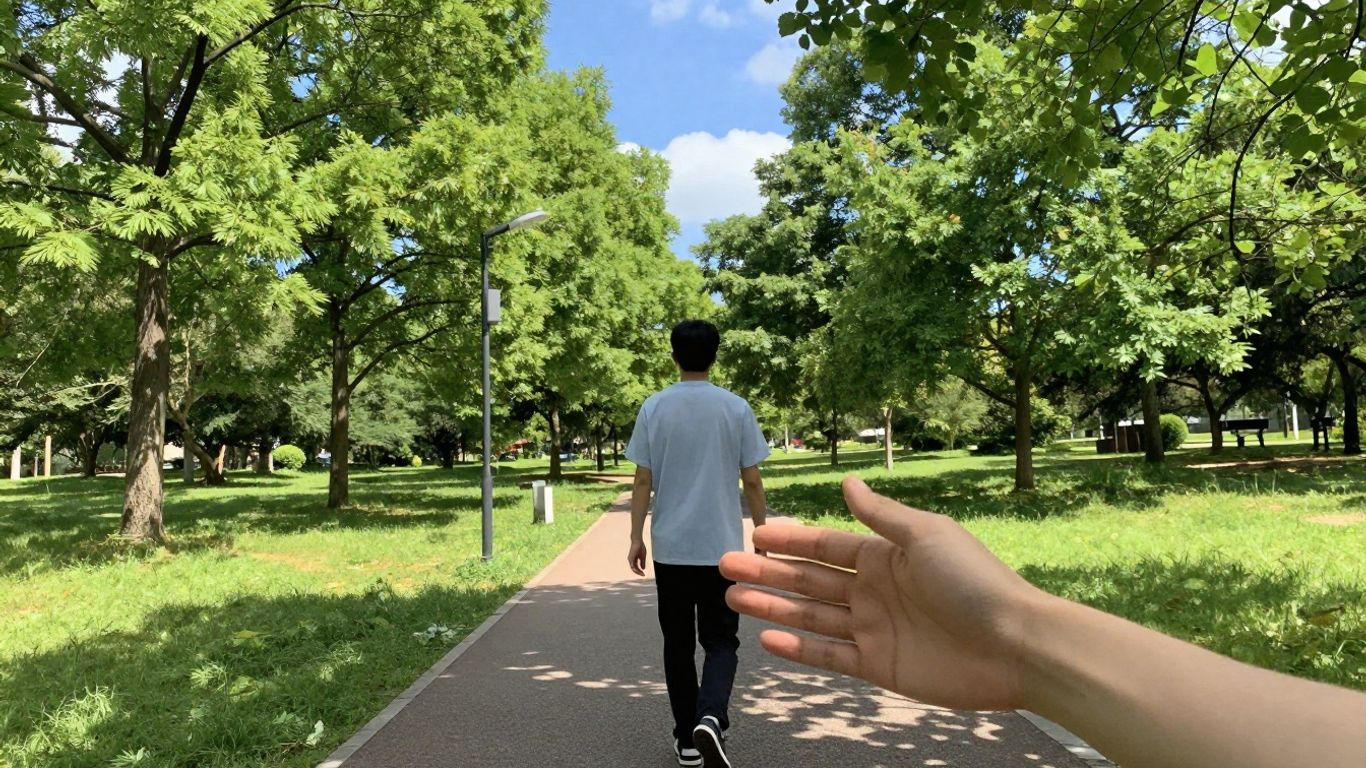
Recovery isn’t a solo mission, not really. Having people in your corner makes a huge difference when you’re working through mental health challenges. It’s about creating a space where you feel safe to be yourself, even on the tough days. This means surrounding yourself with folks who get it, or at least are willing to try.
The Importance of Social Connection
Seriously, don’t underestimate the power of connection. When you’re feeling low, reaching out can be hard, but it’s often what pulls you back up. Think about it: sharing your struggles with someone you trust can lighten the load. It helps you feel less alone in whatever you’re going through. Good friends, family, or even a support group can be lifelines. These connections remind you that you’re part of something bigger and that people care. Finding your tribe is a big part of healing.
Seeking Professional Guidance and Support
While friends and family are great, sometimes you need a more structured kind of help. Therapists, counselors, and doctors are trained to guide you through the ups and downs of recovery. They can offer tools and strategies that you might not find on your own. Don’t be shy about asking for help; it’s a sign of strength, not weakness. They can help you understand what’s happening and how to manage it. Remember, professionals are there to support your journey, offering insights and practical advice. They can also help you connect with other resources, like peer support groups.
Celebrating Milestones in Recovery
It’s easy to get caught up in the daily grind of recovery and forget how far you’ve come. Take a moment to acknowledge your wins, no matter how small they seem. Did you manage to get out of bed when you really didn’t want to? That’s a win. Did you have a conversation without feeling overwhelmed? Another win. Recognizing these achievements helps build momentum and reinforces positive changes. It’s about acknowledging your effort and progress.
-
Acknowledge small victories.
-
Share your progress with trusted individuals.
-
Reward yourself for reaching goals.
Building a strong support system involves both personal effort and seeking external help. It’s about creating a network that provides emotional, practical, and professional assistance throughout your recovery process. This network acts as a buffer against setbacks and a source of encouragement.
Overcoming Barriers to Physical Activity in Rehabilitation
It’s easy to talk about moving more when you’re feeling good, but recovery often comes with its own set of challenges that make getting active feel like climbing Mount Everest. We’re talking about things like feeling wiped out, dealing with physical aches, and just not having the get-up-and-go. Recognizing these hurdles is the first step to getting past them.
Addressing Fatigue and Low Energy
Fatigue is a big one. When you’re recovering, your body and mind are working overtime, and that can leave you feeling drained. It’s not just about being tired; it’s a deep exhaustion that can make even simple tasks feel impossible. Instead of pushing yourself too hard, try breaking activities into smaller chunks. A 10-minute walk might be more doable than a 30-minute one. Also, pay attention to when you have the most energy during the day and try to schedule your movement then. Sometimes, just a little bit of gentle movement can actually help boost your energy levels over time, which feels counterintuitive but it’s true.
Managing Physical Limitations
Physical limitations are another common roadblock. Maybe you have pain, stiffness, or a specific condition that makes certain exercises difficult. The key here is adaptation. You don’t have to do what everyone else is doing. Talk to your doctor or a physical therapist about what’s safe and appropriate for you. They can help you find modifications or suggest alternative activities. For instance, if running is out, maybe swimming or cycling is a better fit. Even chair exercises can be incredibly beneficial. The goal is to find ways to move your body that respect its current capabilities.
Finding Motivation When It Wanes
Motivation is a fickle friend, especially during tough times. Some days you’ll feel ready to conquer the world, and other days, the couch will seem like the most appealing place on earth. When motivation dips, try focusing on why you started in the first place. What are your recovery goals? Remind yourself of the benefits that movement brings to your mental health. Setting small, achievable goals can also help. Instead of aiming for a huge workout, aim to just get dressed and walk to the mailbox. Celebrating these small wins can build momentum. Remember, consistency over intensity is often the name of the game in rehabilitation. You might also find it helpful to explore resources on managing winter blues if the season impacts your mood and energy.
It’s important to be kind to yourself during this process. Recovery isn’t linear, and there will be ups and downs. Don’t view a day where you couldn’t be as active as a failure. Instead, see it as a pause, and get back to it when you can. Every little bit counts.
It can be tough to get moving again after an injury or illness. Many things can make it hard to exercise, like feeling tired, pain, or not having the right support. But don’t let these challenges stop you! Finding ways to stay active is super important for getting better. Ready to learn how to push past these hurdles and get back to moving? Visit our website for tips and resources to help you on your journey.
Moving Forward with Your Well-being
So, we’ve talked about how getting your body moving can really help your mind feel better, especially when you’re going through recovery. It’s not about becoming a marathon runner overnight or anything intense. It’s more about finding small ways to be active that feel good to you. Maybe it’s a short walk outside, some gentle stretching, or even just dancing around your living room to your favorite song. These little bits of motion add up. Remember, taking care of your emotional health is just as important as anything else in your recovery journey. Keep finding what works for you, be patient with yourself, and know that every step you take, big or small, is progress.
Frequently Asked Questions
Why do my feelings change so much when I’m getting better?
It’s totally normal for your emotions to go up and down during recovery. Think of it like a rollercoaster! One day you might feel hopeful and energetic, and the next, you might feel a bit down or frustrated. These shifts happen because your brain and body are adjusting. It’s okay to feel a mix of things, and it doesn’t mean you’re not making progress.
How can moving my body help my mood?
Moving your body, even just a little, can be a huge mood booster! When you exercise, your brain releases chemicals called endorphins, which are like natural mood lifters. Plus, physical activity can help you feel more in control, reduce stress, and improve your sleep, all of which are super important for feeling better emotionally.
What if I don’t feel like exercising?
That’s a common challenge! When you’re feeling tired or unmotivated, the last thing you might want to do is move. Start small. Maybe just a five-minute walk around the block or stretching in your chair. The key is to find activities you actually enjoy, like dancing to your favorite music or playing a gentle game. Don’t force yourself; find what feels good.
Are there special ways to move that are best for my mind?
Yes! Practices like mindful walking, yoga, or Tai Chi are fantastic because they focus on connecting your mind and body. Mindful walking means paying attention to your steps, your breath, and what you see around you. Yoga and Tai Chi involve slow, controlled movements and deep breathing, which are great for calming your nervous system and reducing anxious feelings.
What if I have physical problems that make exercise hard?
It’s important to listen to your body and not push too hard. Talk to your doctor or a physical therapist about what kinds of movements are safe and helpful for you. They can suggest modifications or alternative activities. Even simple chair exercises or stretching can make a difference. The goal is to move in a way that supports your body, not harms it.
How can others help me stay active during recovery?
Having support makes a big difference! Friends, family, or support groups can encourage you, join you for walks, or simply cheer you on. Sharing your goals with someone you trust can keep you accountable. Also, don’t hesitate to ask for help from professionals like therapists or counselors; they can provide guidance and strategies tailored to your recovery journey.
Recent Comments