


February can feel like the longest month, especially when you’re going through mental health rehabilitation. The winter chill and shorter days can really get you down. But don’t worry, there are ways to get through it and keep your recovery on track. This article is all about practical tips to help you feel better and keep moving forward with your mental health rehabilitation during this tricky time of year.
Key Takeaways
-
Stick to a daily schedule to help your recovery process feel more stable.
-
Try using a light box to help lift your mood when the days are short.
-
Connect with people you care about and join groups for support.
-
Take care of yourself by sleeping well, eating good food, and finding ways to relax.
-
Don’t forget to celebrate small wins in your mental health rehabilitation journey.
Nurturing Your Mental Health During Rehabilitation

February can feel like a long haul, especially when you’re also working through rehabilitation. It’s easy for the winter gloom to seep into your mood, making recovery feel even tougher. But taking care of your mental state is just as important as your physical healing. Prioritizing your well-being now sets a stronger foundation for your entire recovery journey.
Understanding Seasonal Affective Disorder
Ever notice you feel a bit down when the days get shorter and darker? That’s a real thing, and it’s called Seasonal Affective Disorder, or SAD. It’s more than just a case of the winter blues; it can really impact your energy levels and overall mood. Recognizing the signs is the first step. Some common indicators include:
-
Feeling tired and sluggish most of the time
-
Having trouble concentrating
-
Experiencing changes in appetite, often craving carbohydrates
-
Feeling irritable or down
If you’re going through rehabilitation, these feelings can make the process feel much harder. It’s important to be aware of these seasonal shifts and how they might be affecting you. Sometimes, just knowing what’s happening can make a difference.
The Importance of Routine in Recovery
When you’re recovering, life can feel a bit chaotic. Your daily schedule might be all over the place, and that lack of structure can really mess with your head. That’s where a solid routine comes in. Having a predictable schedule helps create a sense of normalcy and control, which is super helpful when you’re feeling vulnerable. Think about it: knowing when you’ll eat, when you’ll do your exercises, and when you’ll have downtime can make a big difference in how you feel day-to-day. It gives your brain something to hold onto.
Establishing a consistent daily rhythm can provide a much-needed anchor during rehabilitation. It helps manage expectations and reduces the mental load of constantly deciding what to do next. This predictability can be a quiet but powerful tool in your recovery toolkit.
Setting Realistic Goals for Mental Health Rehabilitation
When you’re recovering, it’s easy to get discouraged if you’re expecting too much too soon. For your mental health during rehab, setting achievable goals is key. Instead of aiming for a complete turnaround overnight, focus on small, manageable steps. Maybe your goal for the week is to practice a mindfulness exercise for five minutes each day, or to reach out to a friend once. These little wins add up and build momentum. It’s about progress, not perfection. Remember, recovery is a marathon, not a sprint, and celebrating those small victories is a big part of staying motivated.
-
Identify one small, positive action you can take each day.
-
Acknowledge and appreciate when you achieve these small goals.
-
Adjust your expectations as needed; some days will be harder than others.
Strategies for Enhancing Mood and Well-being
February can feel like a long haul, especially when you’re also working through rehabilitation. It’s easy to get stuck in a rut, but there are simple things you can do to lift your spirits. Making small, consistent changes can really add up.
Incorporating Light Therapy
Ever notice how much better you feel on a sunny day? That’s the power of light! During winter, we get less natural sunlight, which can mess with our internal clocks and mood. Light therapy boxes, also called SAD lamps, mimic natural sunlight. They’re designed to help reset your body’s rhythm and can make a noticeable difference in how you feel. You don’t need to spend hours with one; often, just 20-30 minutes in the morning can help.
-
How to use a light therapy box:
-
Sit facing the light, usually at a distance of about 12-16 inches.
-
Keep your eyes open, but don’t stare directly into the light.
-
Do this for the recommended time, typically in the morning.
-
The Power of Mindful Movement
When you’re recovering, the idea of exercise might seem daunting, but gentle movement can be incredibly beneficial for your mental state. It doesn’t have to be intense. Think about activities that feel good for your body and mind. This could be a slow walk around the block, some simple stretching, or even just moving your arms and legs while sitting. The key is to be present with your body and notice how the movement feels, rather than pushing yourself too hard. This kind of mindful movement helps release endorphins, which are natural mood boosters.
Sometimes, just getting up and moving for a few minutes can shift your entire outlook for the day. It’s about reconnecting with your physical self in a gentle way.
Engaging in Hobbies and Creative Outlets
Remember those things you used to love doing? Or maybe there’s something new you’ve always wanted to try? Now is a great time to revisit them or explore new interests. Engaging in hobbies can provide a sense of purpose and accomplishment, which is really important during rehabilitation. It’s a way to focus your energy on something enjoyable and outside of your recovery challenges. Whether it’s painting, knitting, playing an instrument, writing, or even just doing a puzzle, these activities can be a fantastic escape and a source of joy. If you’re looking for inspiration on how to approach new challenges, understanding the progress in areas like spinal cord injury treatments might offer a different perspective on overcoming obstacles.
Building a Supportive Environment for Rehabilitation
Rehabilitation, especially during the winter months when motivation can dip, really thrives when you’ve got people in your corner. It’s not just about the exercises or therapy sessions; it’s about the atmosphere you create around yourself. Having a solid support system can make a world of difference in how you feel and how well you progress. Think of it as building a little comfort zone that helps you push forward, even when things feel tough.
Connecting with Loved Ones
Reaching out to the people who care about you is a big one. It doesn’t have to be a grand gesture. Sometimes, just a quick text or a short phone call can lift your spirits. Let them know what you’re going through, even if it’s just to say you’re having a rough day. They can offer a listening ear, a distraction, or even just a reminder that you’re not alone in this.
-
Share your feelings: Don’t bottle things up. Talking about your struggles, even the small ones, can lighten the load.
-
Ask for specific help: Instead of saying ‘I need support,’ try ‘Could you call me on Tuesday evening?’ or ‘Would you mind picking up my prescription?’
-
Accept invitations: Even if you don’t feel like it, try to say yes to low-key get-togethers. Social connection is important.
Joining Support Groups for Mental Health Rehabilitation
Sometimes, the people who understand best are those going through similar experiences. Support groups, whether online or in person, offer a unique kind of camaraderie. You can share tips, vent frustrations, and celebrate wins with people who truly get it. It’s a space where you don’t have to explain yourself constantly.
Finding a group that feels right can take a little time. Look for ones that focus on your specific challenges or rehabilitation goals. The shared journey can be incredibly validating.
Communicating Your Needs Effectively
This is a skill that benefits every part of life, but it’s especially important during rehab. You need to be able to tell people what you need, whether it’s your therapist, your family, or your friends. It’s not always easy, and it might feel awkward at first, but it’s so important for getting the right kind of help.
-
Be clear and direct: State your needs plainly. ‘I need quiet time right now’ is better than ‘I’m feeling overwhelmed.’
-
Use ‘I’ statements: Focus on your own feelings and experiences, like ‘I feel anxious when…’ rather than ‘You make me feel…’
-
Practice active listening: When others express their needs or concerns, really pay attention. This builds mutual respect and understanding.
Prioritizing Self-Care Throughout February
February can feel like the longest month, especially when you’re working through rehabilitation. It’s easy to get caught up in the recovery process and forget about taking care of yourself. But honestly, self-care isn’t a luxury; it’s a necessity, particularly during these colder, darker days. Making time for simple, restorative activities can make a big difference in how you feel, both mentally and physically.
Establishing Healthy Sleep Patterns
Sleep is when your body and mind do a lot of their repair work. When you’re recovering, getting good sleep is even more important. It helps with mood, concentration, and your body’s ability to heal. Trying to stick to a regular sleep schedule, even on weekends, can really help.
-
Go to bed and wake up around the same time every day.
-
Make your bedroom a calm space – dark, quiet, and cool.
-
Try to avoid screens for an hour before bed; the blue light can mess with your sleep.
Sometimes, even with the best intentions, sleep can be tricky. If you’re really struggling, don’t hesitate to talk to your doctor. There might be simple adjustments or support that can help you get the rest you need.
Nourishing Your Body with Balanced Meals
What you eat directly impacts your energy levels and mood. During February, it’s tempting to reach for comfort foods, but focusing on balanced nutrition will serve you better in the long run. Think about meals that give you sustained energy rather than a quick sugar rush followed by a crash.
-
Include plenty of fruits and vegetables in your diet.
-
Choose whole grains over refined ones.
-
Don’t forget lean protein sources to help with muscle repair and satiety.
Practicing Relaxation Techniques
Rehabilitation can be stressful, and the winter blues don’t help. Finding ways to relax and de-stress is key. It doesn’t have to be complicated; even a few minutes can help.
-
Deep Breathing Exercises: Simply focus on slow, deep breaths. Inhale through your nose, hold for a moment, and exhale slowly through your mouth. Repeat several times.
-
Gentle Stretching: Light stretching can release tension in your muscles and calm your mind.
-
Mindfulness or Meditation: Apps or guided recordings can be a great starting point if you’re new to this. Just focus on the present moment without judgment.
Seeking Professional Guidance for Mental Health Rehabilitation
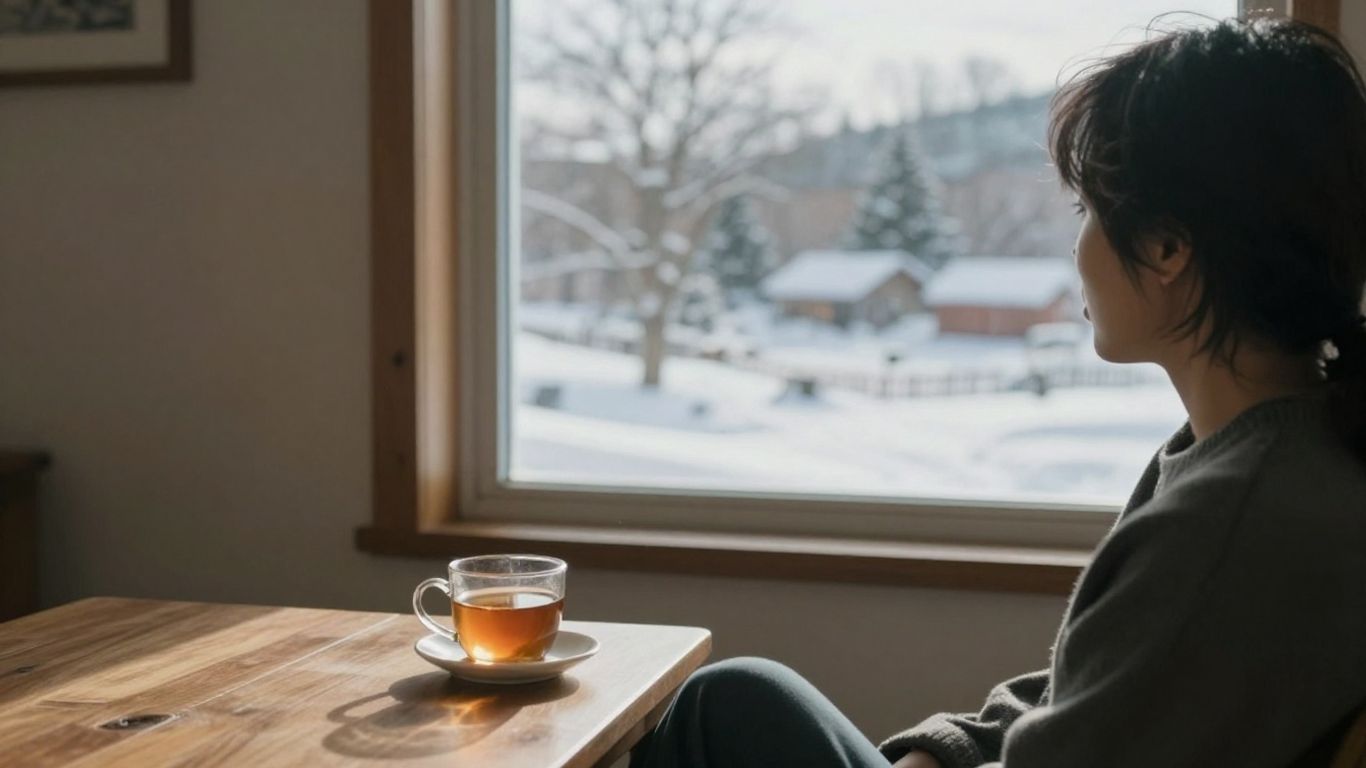
Sometimes, even with the best self-care and routine, the winter blues can feel like a heavy blanket you just can’t shake. That’s totally okay. Reaching out for professional help isn’t a sign of weakness; it’s a smart move for your recovery. Think of it like getting a tune-up for your car – sometimes you need an expert to get things running smoothly again.
When to Consult a Mental Health Professional
It can be tricky to know when it’s time to talk to someone. If you’re noticing a few things, it might be a good idea to seek support:
-
Your low mood is lasting for more than a couple of weeks.
-
You’re having trouble with daily tasks, like getting out of bed or going to work.
-
You’re feeling hopeless or like things won’t get better.
-
Your sleep or eating habits have changed drastically.
-
You’re using unhealthy coping mechanisms.
Don’t wait until things feel completely unmanageable. Early intervention makes a big difference in rehabilitation, especially when dealing with conditions like spinal cord injury where mental well-being is so tied to physical progress. The Motion Project Foundation is working towards better rehabilitation methods, and that includes mental health support advancing rehabilitation.
Therapeutic Approaches for Winter Blues
There are several ways professionals can help. Cognitive Behavioral Therapy (CBT), for example, helps you identify and change negative thought patterns that contribute to feeling down. Interpersonal Therapy (IPT) focuses on improving your relationships, which can be a big factor in how you feel. Sometimes, just talking things through with a therapist can provide a new perspective and help you feel less alone.
Therapy isn’t about someone telling you what to do. It’s more like having a guide who helps you explore your own thoughts and feelings, finding your own solutions. It’s a collaborative process, and you’re in the driver’s seat of your own recovery.
Medication Options and Considerations
For some people, medication can be a helpful tool alongside therapy. Antidepressants can help rebalance brain chemistry that might be affecting your mood. It’s important to remember that medication isn’t a quick fix, and it often works best when combined with other strategies. A doctor or psychiatrist can discuss if this is the right path for you, explaining potential side effects and how long you might need to take them. They’ll work with you to find the right dosage and type, if needed.
Maintaining Momentum in Your Rehabilitation Journey
February can feel like a long haul, especially when you’re working on your mental health during rehab. It’s easy to get discouraged, but keeping things moving forward is key. Remember that progress isn’t always a straight line; it’s more like a winding path with ups and downs.
Celebrating Small Victories
Don’t let the big picture overshadow the little wins. Seriously, acknowledge every step you take, no matter how tiny it seems. Did you get out of bed on a tough morning? That’s a win. Did you manage to stick to your mindfulness practice for five minutes? Another win. Keeping a list can be super helpful:
-
Completing a scheduled therapy session.
-
Trying a new healthy recipe.
-
Reaching out to a friend.
-
Getting through a challenging day without resorting to old coping mechanisms.
These moments build up and remind you of your strength.
Overcoming Setbacks in Recovery
Setbacks are a normal part of any recovery process, especially during winter. You might have a day where you feel like you’ve slid backward. That’s okay. The important thing is how you respond. Instead of getting stuck in frustration, try to look at it objectively:
What happened? What triggered this feeling or behavior? What can I learn from this experience to help me next time? It’s not about being perfect; it’s about learning and adapting.
Think of it as a chance to gather more information about what works and what doesn’t for you. It’s a learning opportunity, not a failure.
Planning for Continued Mental Wellness
As February wraps up and spring starts to peek around the corner, think about how you’ll keep the positive momentum going. Rehabilitation isn’t just about getting through a tough period; it’s about building habits that last. Consider these points:
-
Schedule regular check-ins: Whether it’s with your therapist, a support group, or a trusted friend, make sure you have people to talk to.
-
Keep a ‘mood journal’: Track what activities, foods, or interactions positively or negatively affect your mood. This helps you identify patterns.
-
Plan enjoyable activities: Even when you’re feeling better, make time for things that bring you joy and help you relax. Don’t let them fall by the wayside.
Building a sustainable plan helps ensure that the progress you’ve made sticks around long after February is gone.
Keep pushing forward on your recovery path! It’s important to stay focused and motivated. For more tips and support to help you keep going, visit our website today!
Wrapping Up
So, February can be a tough month, especially when you’re working on getting better. But remember, you’ve got this. We talked about a few things that might help, like getting outside when you can, even for a short walk, and staying connected with people. Don’t forget to be kind to yourself; recovery isn’t always a straight line, and that’s okay. Keep trying these small steps, and know that brighter days are ahead. You’re doing great work just by showing up for yourself.
Frequently Asked Questions
What exactly are the ‘winter blues,’ and how can they affect me while I’m getting better?
The ‘winter blues’ are feelings of sadness or low energy that can happen when the days get shorter and darker. For someone recovering from something, these feelings can make the recovery process feel harder, like trying to walk uphill in the snow. It might make you feel less motivated or more tired than usual.
Why is having a daily plan so important when I’m trying to get better in winter?
Having a routine is like having a map when you’re on a journey. It gives you a sense of control and helps you know what to expect each day. Sticking to a schedule for waking up, eating, and doing your recovery activities can make you feel more grounded and less overwhelmed, especially when the weather outside is gloomy.
How can I use light to help my mood during winter rehab?
Think of light like sunshine for your brain! Special light boxes, called light therapy boxes, can mimic natural sunlight. Sitting near one for a short time each day can help reset your body’s internal clock and boost your mood, making those dark winter days feel a bit brighter and less draining.
What kind of simple activities can I do to feel better when I’m recovering in February?
Even small things can make a big difference! Gentle activities like stretching, taking a short walk if you can, or even just listening to calming music can help. Engaging in things you enjoy, like drawing, reading, or working on a puzzle, can also take your mind off worries and bring a smile to your face.
Who should I talk to if I’m really struggling with my mental health during recovery?
If you feel like the winter blues or your recovery struggles are too much to handle alone, it’s a really good idea to talk to a doctor or a mental health expert, like a therapist or counselor. They have special tools and advice to help you navigate these tough feelings and get back on track.
How can I keep myself feeling good even after February ends and my rehab continues?
Recovery is a marathon, not a sprint! Keep celebrating the small wins, like getting through a tough day or trying a new activity. Don’t get discouraged if you have a bad day; everyone does. Just try to get back to your healthy habits and remember the strategies that helped you feel better. Planning for ongoing self-care will keep you strong.
Recent Comments