

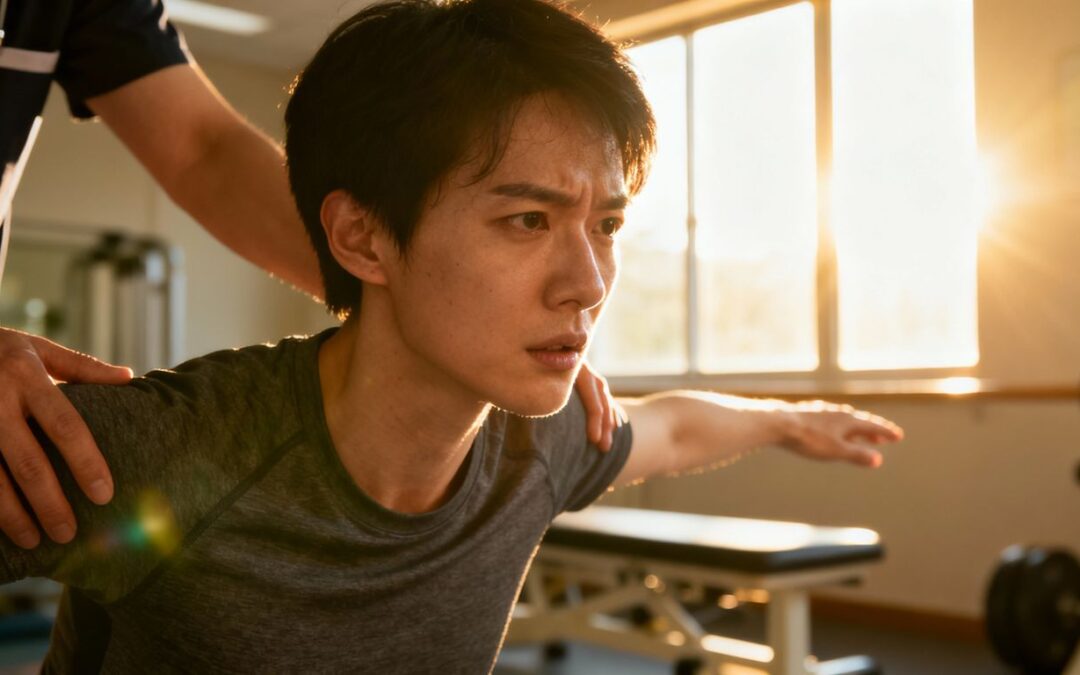
February might seem like a quiet month, but it’s a great time to focus on progress, especially when it comes to spinal cord injury recovery. Motion Project is all about helping people move forward, no matter the season. We’re looking at how this program helps individuals get back to their lives, using smart methods and a supportive group. Let’s see how staying active in winter can make a big difference in healing.
Key Takeaways
-
Healing after a spinal cord injury is a complex process that involves both physical and mental aspects.
-
Physical therapy plays a big part in regaining movement and function post-injury.
-
Motion Project uses tailored exercise plans and technology to help with spinal cord injury recovery.
-
Building a strong community support system is important for patients going through spinal cord injury recovery.
-
Consistent movement and evidence-based practices are key to improving outcomes in spinal cord injury recovery.
Understanding Spinal Cord Injury Recovery
The Complexities of Healing After Injury
Recovering from a spinal cord injury (SCI) isn’t like healing a broken bone. It’s a much more involved process, and honestly, it can be pretty tough. The spinal cord is incredibly complex, and when it’s injured, it affects a lot of different body functions. Think about it – everything from movement and feeling to breathing and bladder control can be impacted. The path to recovery is rarely straightforward and often requires a long-term commitment. It’s not just about physical healing; it’s also about adapting to a new way of living. This journey often starts with a period of intensive rehabilitation, which can last for weeks, focusing on regaining lost skills through dedicated therapy. It’s a process of adaptation and learning to manage new challenges and possibilities. You can find more information about the initial stages of recovery at the intensive rehabilitation phase.
The Role of Physical Therapy in Spinal Cord Injury Recovery
Physical therapy is a cornerstone of SCI recovery. It’s not just about doing exercises; it’s about retraining your body and brain to work together again. Therapists help you:
-
Improve strength and endurance.
-
Learn new ways to move and transfer.
-
Manage spasticity and pain.
-
Work on balance and coordination.
It’s about finding what works for you and pushing your limits safely. The goal is to maximize your physical function and independence.
The human body has an amazing capacity to adapt. While the spinal cord itself has limited ability to repair, the brain can often find new pathways to take over lost functions. This is where consistent, targeted effort makes a real difference.
Navigating Emotional Well-being During Recovery
Let’s be real, dealing with an SCI takes a huge emotional toll. It’s completely normal to feel a mix of emotions – frustration, sadness, anger, and sometimes even hope. It’s a big life change, and processing all of that takes time. Finding ways to cope is just as important as the physical exercises. This might involve talking to a therapist, joining a support group, or finding activities that bring you joy and a sense of purpose. Remember, you’re not alone in this, and seeking support is a sign of strength, not weakness.
Motion Project’s Innovative Approach to Healing
When you’re dealing with a spinal cord injury, recovery isn’t a one-size-fits-all deal. That’s where Motion Project really shines. We don’t just hand out generic workout plans; we build programs that are made just for you. Think of it like a tailor-made suit – it fits perfectly because it was designed with your specific measurements and needs in mind.
Personalized Exercise Regimens for Spinal Cord Injury
Our approach starts with understanding your unique situation. We look at your injury level, your current abilities, and what you want to achieve. From there, we create a plan that focuses on your specific goals. This might include:
-
Exercises to build strength in areas that are still functional.
-
Activities to improve balance and coordination.
-
Techniques to help your body relearn movements.
The key is consistency and the right kind of challenge. We’re always adjusting things as you progress, making sure you’re always working towards your next step forward. It’s about making movement work for your recovery.
Leveraging Technology for Enhanced Recovery
We’re not stuck in the past here. Motion Project uses modern tech to give your recovery a boost. We’ve got tools that can track your progress in detail, giving us real-time feedback on how you’re doing. This helps us fine-tune your exercises and make sure you’re getting the most out of every session. It’s pretty neat how technology can help us understand the body’s response to therapy better.
We believe that combining hands-on guidance with smart technology creates a powerful synergy. It allows us to be more precise in our interventions and provides you with a clearer picture of your journey. This data-driven approach helps us celebrate small wins and identify areas needing more attention, keeping your recovery on track.
Building a Supportive Community for Patients
Recovery can feel lonely sometimes, right? That’s why we put a big emphasis on community. You’re not just a client here; you’re part of a group of people who get what you’re going through. We connect individuals with similar experiences, creating a space where you can share stories, offer encouragement, and find motivation. Seeing others push through challenges can be incredibly inspiring. It’s about moving forward together, and people like Melissa Conklin, a Lead Neuro Recovery Specialist, are central to this supportive environment at the Motion Project Foundation.
This mix of personal attention, smart tools, and a strong community is what makes our approach different. It’s all designed to help you regain as much function and independence as possible.
February Focus: Accelerating Spinal Cord Injury Recovery
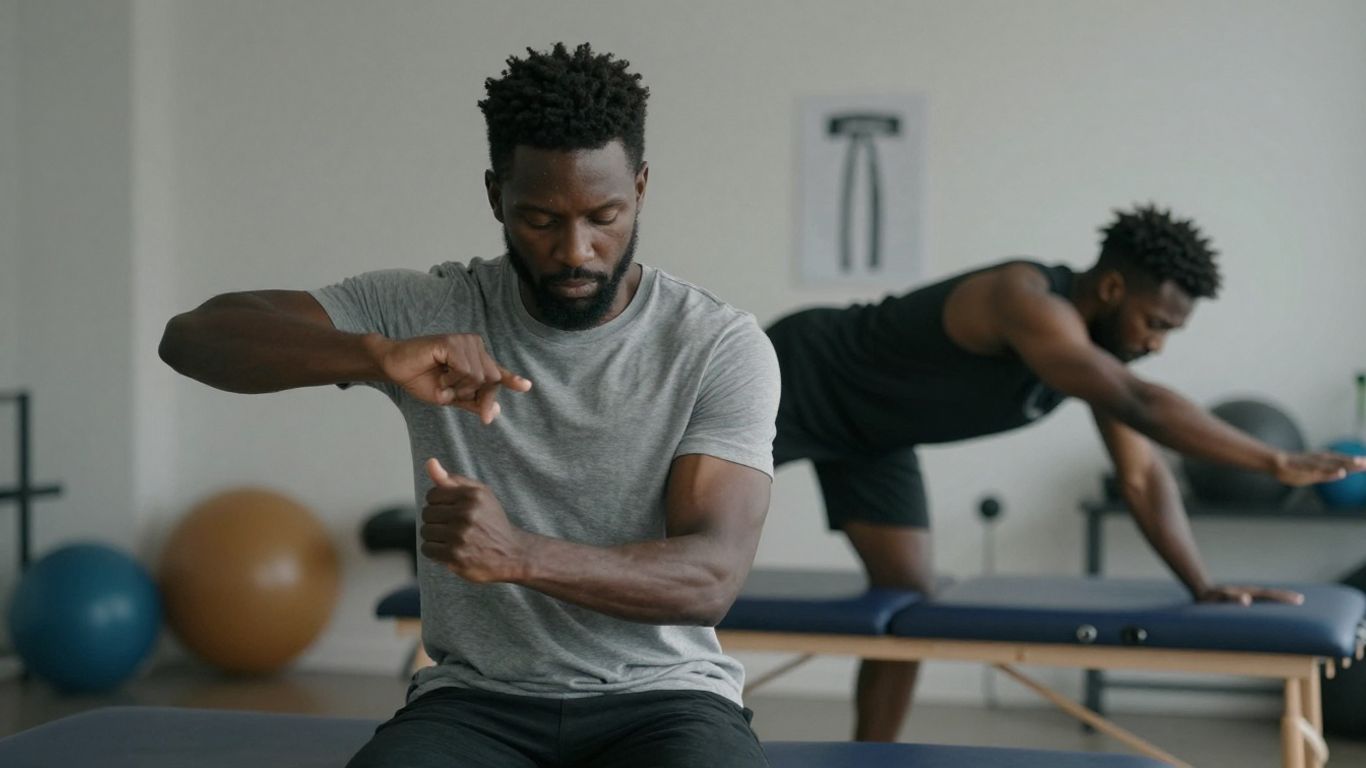
February might seem like a quiet month, tucked away between the holidays and spring’s arrival, but it can be a prime time for making real progress in spinal cord injury recovery. The colder weather often means fewer distractions and more time spent indoors, which can be a good thing for focusing on your rehabilitation. This winter period offers a unique opportunity to really dial in your efforts and build momentum.
Setting Goals for a Productive Winter Recovery
Getting specific with your goals is key. Instead of just thinking ‘I want to get better,’ try breaking it down. What does ‘better’ look like for you right now? Maybe it’s increasing the duration of your physical therapy sessions, mastering a new transfer technique, or improving your endurance for a specific activity. Having clear, achievable targets can make a big difference in how motivated you feel.
-
Physical Goals: Focus on strength, balance, or mobility improvements. For example, aim to hold a seated position for an extra five minutes or increase the weight you can lift by a small amount.
-
Functional Goals: Think about daily tasks. Can you work on dressing yourself more independently or improve your ability to reach for objects?
-
Mental Goals: Recovery isn’t just physical. Set goals for managing stress, practicing mindfulness, or connecting with support groups.
Overcoming Winter Challenges in Spinal Cord Injury Recovery
Let’s be real, winter has its own set of hurdles. The cold can make getting around tougher, and shorter days might affect your mood. It’s important to have strategies in place to keep moving forward.
-
Stay Warm and Safe: Plan your outings carefully. If you need to go out, make sure your mobility device is ready for slippery conditions and dress in layers.
-
Combat Cabin Fever: Find ways to stay active indoors. This could be through adapted exercises at home, using specialized equipment, or even just moving around your living space regularly.
-
Maintain Social Connections: Don’t let the weather isolate you. Schedule video calls with friends and family, or participate in online support groups.
The temptation to hibernate is strong when it’s cold outside. But consistent effort, even in small doses, is what truly drives progress. Think of it like building a fire; you need to keep adding fuel regularly to keep it going strong.
Celebrating Milestones in February
February is a great month to acknowledge how far you’ve come. Recovery is a journey with ups and downs, and every step forward deserves recognition. Taking time to celebrate your achievements, big or small, can really boost your spirits and reinforce your commitment to your goals. Did you reach a new personal best in your therapy session? Did you manage a task that used to be difficult? Acknowledge it! This positive reinforcement is a powerful part of the healing process.
The Science Behind Motion Project’s Success
Neuroplasticity and Its Impact on Spinal Cord Injury Recovery
It’s pretty amazing what the brain can do, even after an injury. Neuroplasticity is basically the brain’s ability to reorganize itself, forming new neural connections. For people with spinal cord injuries, this means that even if some pathways are damaged, the brain can find new ways to send signals. Motion Project taps into this natural ability by providing targeted exercises that encourage the brain to build these new connections. It’s not about magic; it’s about working with the brain’s inherent capacity to adapt and heal. Think of it like rerouting traffic when a main road is closed – the brain finds alternative routes to get messages where they need to go.
Evidence-Based Practices in Motion Project’s Programs
We don’t just guess what might work. Everything we do at Motion Project is built on solid research. We look at studies that show what types of movement and therapy actually help people recover from spinal cord injuries. This means our programs aren’t just a collection of exercises; they’re carefully put together based on what science tells us is effective. We pay attention to:
-
Studies on repetitive task practice.
-
Research into functional electrical stimulation.
-
Findings on how different types of exercise affect muscle strength and coordination.
We’re always reviewing the latest findings to make sure our approach is as effective as possible. It’s about using what we know works to help you get the best results.
The Importance of Consistent Movement for Healing
When it comes to recovery, consistency is key. It’s like building muscle – you don’t get strong by going to the gym once a month. For spinal cord injury recovery, regular, purposeful movement helps to:
-
Maintain existing muscle function.
-
Stimulate nerve pathways.
-
Improve circulation, which is vital for tissue health.
Skipping sessions can slow down progress. That’s why Motion Project focuses on creating routines that are manageable and motivating, so you can keep moving forward, day after day. Even small, consistent efforts add up significantly over time.
Empowering Individuals Through Spinal Cord Injury Recovery
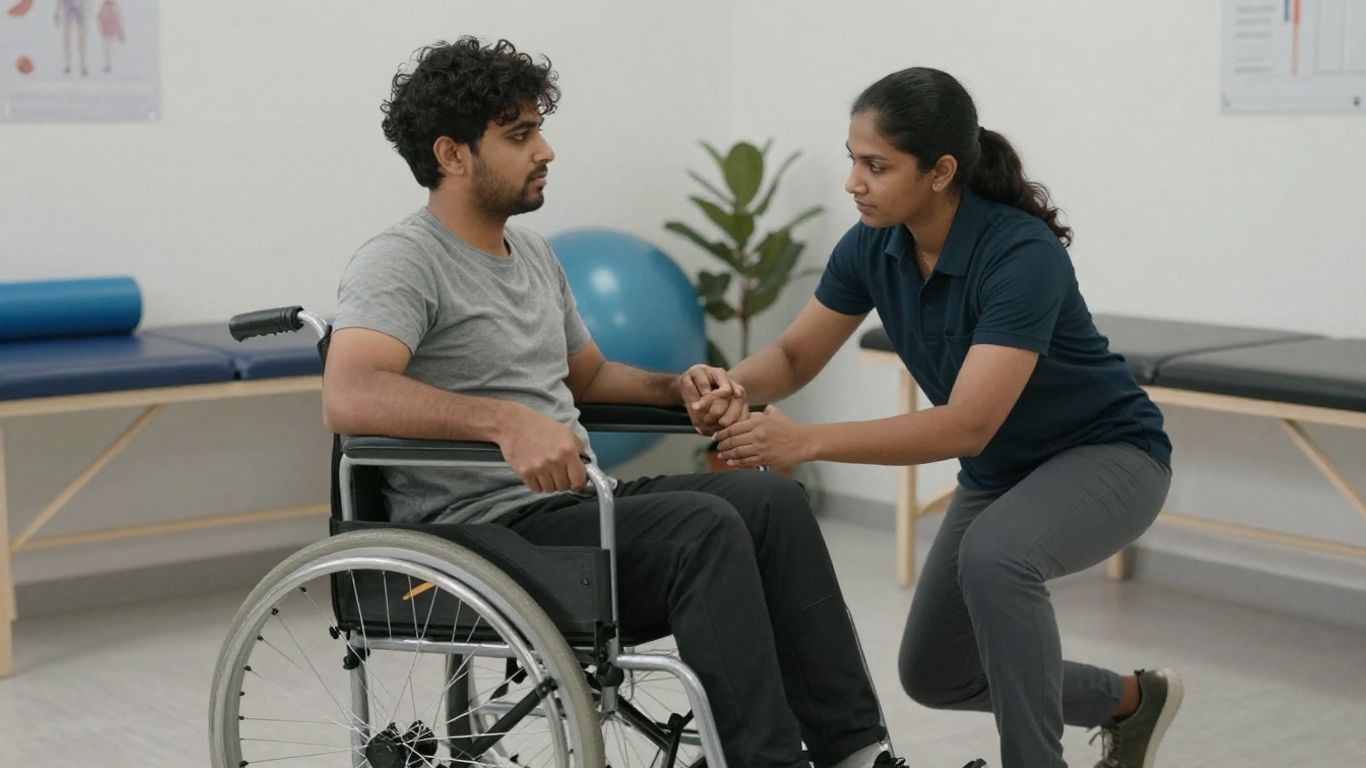
Regaining Independence and Quality of Life
Getting back to your daily life after a spinal cord injury (SCI) is a big deal. It’s not just about physical healing; it’s about reclaiming your autonomy and finding ways to do the things you love, maybe in new ways. The Motion Project Foundation is all about helping people see what’s possible again. This journey is about more than just recovery; it’s about rebuilding a fulfilling life. We focus on practical steps that make a real difference in day-to-day living. Think about simple things like being able to prepare your own meal or getting out to see friends. These aren’t small wins; they’re huge milestones that contribute to a better quality of life.
The Psychological Benefits of Active Participation
When you’re actively involved in your recovery, it does wonders for your mental state. It’s easy to feel discouraged, but taking part in your therapy and setting your own goals can really shift your perspective. It gives you a sense of control back. You start to see progress, no matter how small, and that builds confidence. This active role is key to maintaining motivation and a positive outlook. It’s about recognizing your own strength and resilience throughout the process. The feeling of accomplishment from achieving a personal goal, like improving mobility, can be incredibly motivating.
Stories of Hope and Resilience
We hear so many amazing stories from people who have been through SCI recovery. These aren’t just tales of overcoming physical challenges; they’re stories of incredible human spirit. People find new passions, adapt their homes, and continue to contribute to their communities in meaningful ways. They show us that life after an injury can be rich and rewarding. It’s about finding that inner strength and refusing to let the injury define you. These personal accounts are a powerful reminder of what’s achievable:
-
Finding new hobbies and interests.
-
Building stronger relationships with loved ones.
-
Advocating for better accessibility and support.
The path to recovery is rarely a straight line. There will be good days and tough days. The important thing is to keep moving forward, celebrating each step, and remembering that you are not alone in this. Support systems, both professional and personal, play a huge part in maintaining hope and pushing through challenges.
Getting better after a spinal cord injury is a journey, and we’re here to help you every step of the way. Our goal is to support you in regaining your strength and independence. Discover how we can assist you on your path to recovery. Visit our website today to learn more about the resources and support available.
Looking Ahead
So, as February wraps up, remember that recovery is a journey, not a race. Motion Project is here to help make that journey a bit smoother for folks with spinal cord injuries. They’ve got programs and support that can really make a difference. It’s not always easy, and there will be tough days, but having the right tools and a community behind you changes things. Keep moving forward, one step at a time. There’s always hope and help available.
Frequently Asked Questions
What exactly is a spinal cord injury?
A spinal cord injury happens when damage to your spinal cord makes it hard for messages to travel between your brain and the rest of your body. This can cause changes in strength, feeling, and how your body works.
How does physical therapy help after a spinal cord injury?
Physical therapy is super important! Therapists help you do exercises that can strengthen your muscles, improve your balance, and help you move better. It’s all about regaining as much ability as possible.
Can technology really help with recovery?
Yes, it can! Think of special machines or apps that help you exercise in new ways, track your progress, or even help you move parts of your body. Technology can make recovery more exciting and effective.
What is neuroplasticity and why does it matter for healing?
Neuroplasticity is like your brain’s superpower to change and create new paths. After an injury, your brain can learn to use different pathways to do things it used to do, which is key to getting better.
How can Motion Project help me get back to my normal life?
Motion Project focuses on giving you exercises made just for you and building a supportive group of people who understand what you’re going through. They aim to help you become more independent and improve your daily life.
Is it harder to recover in winter, like in February?
Sometimes winter can be tough because it’s colder and maybe harder to get around. But using this time to focus on your exercises and setting recovery goals can actually help you make great progress, especially with the support of programs like Motion Project.
Recent Comments