

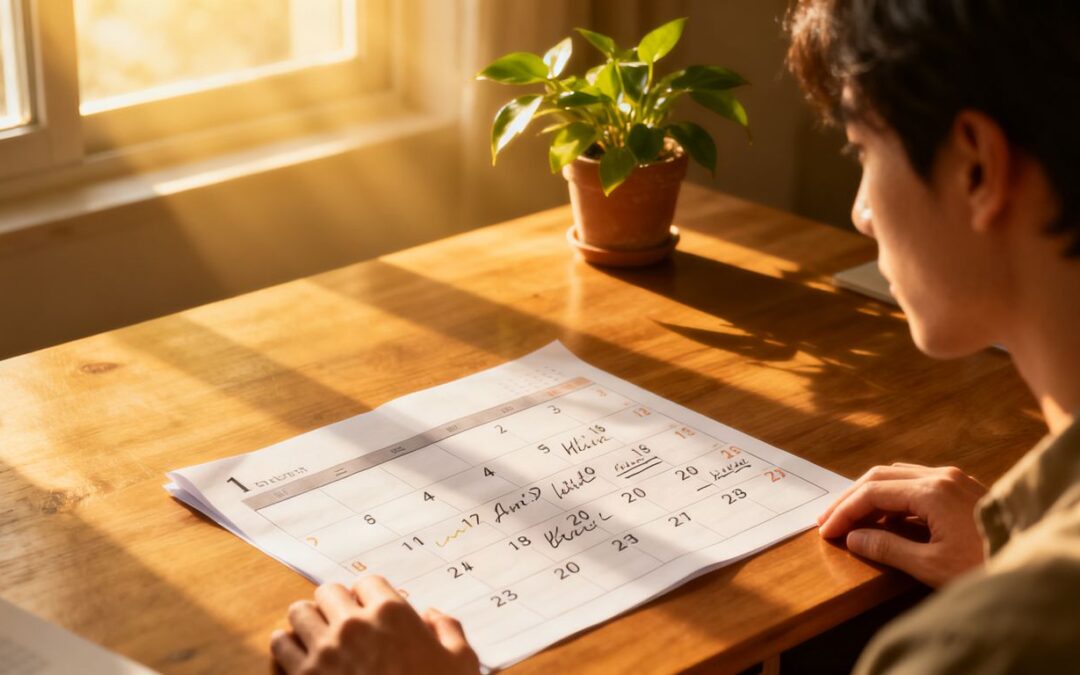
As you reach the middle of the year, it’s the perfect moment to take stock of your recovery. This check-in helps ensure you’re on the right track and making the most of your efforts. Here are the main points to remember:
Key Takeaways
-
Look back at your New Year’s goals and see what you’ve accomplished and where you hit roadblocks.
-
Adjust your rehabilitation planning based on what’s working and what’s not, setting new, achievable short-term goals.
-
Think about the next steps in your recovery and set clear, measurable goals for the coming months.
-
Stay in touch with your doctors, therapists, family, and friends – they are your support team.
-
Keep celebrating your wins, big or small, to stay motivated for the long haul.
Assessing Progress Since The New Year
Alright, so we’re halfway through the year. It feels like just yesterday we were making all those grand plans for our recovery back in January. Now’s the time to really look at what’s happened since then. Did we stick to the script, or did life throw us a curveball? It’s not about judgment, it’s about getting a clear picture.
Reviewing Initial Rehabilitation Objectives
Remember those goals we set? Let’s pull them out. What were we aiming for? Was it about regaining strength, improving balance, managing pain, or maybe something more personal like getting back to a hobby? It’s easy to forget the specifics, so digging them up is step one. We need to see what we originally set out to do.
Identifying Key Milestones Achieved
Now, let’s talk wins. What did we actually accomplish? Maybe you can now walk a little further without getting tired, or perhaps you’ve managed to reduce your reliance on certain aids. Think about the small stuff too – being able to reach something on a high shelf, or sleeping through the night without discomfort. These are all important markers of progress. It’s good to list these out, even if they seem minor. They add up!
Evaluating Challenges Encountered
Of course, it wasn’t all smooth sailing, right? What got in the way? Was it a sudden flare-up of pain, a lack of motivation on tough days, or maybe external factors like work or family commitments? Sometimes, the biggest hurdles aren’t physical but mental. Understanding these roadblocks is key to figuring out how to move past them. It’s like trying to get back on track after a detour; you need to know where the detour happened to find the best way back to the main road. This is where understanding why New Year’s resolutions frequently fail can offer some perspective.
It’s easy to get discouraged when things don’t go exactly as planned. The human body and life itself are complex systems, and recovery often involves unexpected twists and turns. Instead of viewing setbacks as failures, consider them opportunities to learn and adapt your approach. This perspective shift is vital for maintaining a positive outlook and continuing forward.
We also need to think about how the world around us has changed, especially if our recovery involves adapting to new technologies or societal shifts. For instance, understanding the digital divide can be important if your rehabilitation involves learning new digital skills or accessing online resources.
Refining Your Rehabilitation Planning
So, you’ve made it halfway through the year. That’s awesome! Now’s the perfect time to look at what’s working and what’s not in your recovery plan. Think of it like checking the map on a road trip – you want to make sure you’re still heading in the right direction.
Adjusting Strategies Based On Performance
It’s easy to get stuck doing the same things, even if they aren’t giving you the best results anymore. Your body changes, and so do your needs. Maybe that exercise that used to be tough is now easy, or perhaps something you thought would help isn’t making much difference. It’s time to be honest about your progress. Don’t be afraid to tweak your routine.
-
Review your exercise log: Are you consistently hitting your reps and sets? Are you feeling stronger or more flexible?
-
Assess your pain levels: Have they gone up or down? Are certain activities making it worse?
-
Consider your energy: Are you feeling more or less fatigued after your sessions?
This kind of honest look helps you figure out where to put your energy next. It’s all part of the mid-cycle review process to keep you on track.
Incorporating New Insights Into Your Plan
Sometimes, you learn something new about your condition or what helps you recover. Maybe your physical therapist suggested a different approach, or you read about a technique that sounds promising. It’s smart to bring these new ideas into your plan. Don’t just stick with the old ways if better ones are available.
You might discover that a simple change, like adjusting the timing of your stretches or adding a new type of movement, can make a big difference. It’s about being flexible and open to new possibilities for your recovery.
Setting Realistic Short-Term Targets
Looking too far ahead can be overwhelming. Instead, focus on what you can achieve in the next few weeks or months. These smaller goals act as stepping stones. They keep you motivated and give you a sense of accomplishment as you tick them off.
-
Aim to increase your walking distance by 10% next month.
-
Try adding one new stretch to your daily routine.
-
Schedule a follow-up with your doctor to discuss your personal progress.
Breaking down your recovery into manageable chunks makes the whole journey feel less daunting and more achievable.
Mid-Year Goal Setting For Continued Recovery
Alright, we’re halfway through the year, and it’s the perfect time to really look at where you’re at with your recovery. Think of it as a pit stop to check the engine and maybe change the tires. It’s not about judging your progress, but about making sure your recovery plan is still working for you.
Defining The Next Phase Of Your Rehabilitation
So, what’s next? Your rehabilitation isn’t a straight line, and that’s totally normal. The next phase might involve building on what you’ve already accomplished or perhaps shifting focus a bit. Maybe you’ve gotten stronger and can now think about adding more complex movements, or perhaps you need to focus on endurance. It’s about figuring out what makes sense for your body right now. Consider these points:
-
What new physical challenges can you safely take on?
-
Are there specific daily activities you want to get back to?
-
How can you make your recovery feel less like a chore and more like a part of your life?
Establishing Measurable Outcome Goals
Vague goals are tough to track. Instead of saying ‘I want to get better,’ try to be more specific. This is where setting measurable goals comes in handy. For example, instead of ‘walk more,’ aim for ‘walk for 20 minutes, three times this week without stopping.’ This gives you something concrete to aim for and celebrate when you hit it. It’s about turning those big recovery dreams into smaller, achievable steps. You can look at functional goals in palliative care for inspiration on how to frame these.
Prioritizing Activities For Maximum Impact
Your time and energy are precious, especially during recovery. It’s important to focus on the activities that will give you the most bang for your buck. What exercises or therapies are really moving the needle for you? What’s helping you get closer to your personal definition of recovery?
Sometimes, we get caught up doing a lot of things that don’t actually help us move forward. It’s better to do a few key things really well than to spread yourself too thin. Think about what truly makes a difference in how you feel and function day-to-day.
This might mean:
-
Spending more time on strength training if that’s your current focus.
-
Reducing the frequency of less effective exercises.
-
Talking to your therapist about which activities are most important for your next phase. Setting clear goals is a big part of sports injury rehabilitation.
Leveraging Support Systems For Success

You know, recovery isn’t a solo mission. It’s easy to get caught up in the day-to-day grind of exercises and appointments, thinking you have to do it all by yourself. But honestly, that’s a recipe for burnout. Having a solid network makes a huge difference.
Communicating With Your Healthcare Team
Your doctors, therapists, and any other specialists are your first line of defense. Don’t just see them as people who give you instructions. They’re partners in this. Make sure you’re being open and honest about how you’re feeling, both physically and mentally. If something isn’t working, or if you’re experiencing unexpected pain or frustration, tell them. They can’t help if they don’t know. It’s also a good idea to jot down questions before your appointments so you don’t forget. This is a good time to check in on your progress and discuss any changes you’ve noticed since your last visit. Think of it as a regular check-up on your rehabilitation plan.
Engaging Family And Friends In Your Journey
Sometimes, the people closest to us want to help but don’t know how. It can be tough to ask for help, especially if you’re used to being independent. But letting your loved ones in can lighten your load considerably. They can help with practical things like errands or meals, or just be there to listen when you need to vent.
Here are a few ways to get them involved:
-
Be specific: Instead of saying “I need help,” try “Could you pick up my prescription on Tuesday?”
-
Educate them: Share some basic information about your condition and recovery process. Understanding what you’re going through helps them offer better support.
-
Set boundaries: It’s okay to say no if you’re not up for a social event or if you need quiet time.
Remember, your support system isn’t just there to help you with tasks. They are also there to provide emotional encouragement. A kind word or a listening ear can be incredibly powerful when you’re feeling down.
Exploring Additional Resources And Therapies
Don’t be afraid to look beyond your immediate medical team. There are often community programs or support groups that can offer unique perspectives and assistance. For instance, peer recovery support services can be incredibly beneficial, connecting you with others who have walked a similar path. These groups can offer practical advice and a sense of belonging that’s hard to find elsewhere. You might also consider complementary therapies that could aid your recovery, depending on your specific needs. Checking out local community resources can open up a whole new world of support. It’s all about building a robust network that helps you move forward, especially as you approach the midpoint of the year.
Maintaining Momentum In Your Rehabilitation Journey
So, you’ve hit the halfway mark of the year, and things are moving along. That’s great! But sometimes, recovery can feel like a bit of a rollercoaster, right? You have good days, and then you hit a patch where it feels like you’re not moving forward at all. This is where keeping that momentum really counts.
Strategies For Overcoming Plateaus
Plateaus happen. It’s totally normal to feel stuck sometimes. When that happens, don’t get discouraged. Instead, think about shaking things up a little. Maybe it’s time to talk to your therapist about trying a new exercise or modifying an old one. Sometimes a small change can make a big difference.
-
Talk to your healthcare team: They’ve seen this before and can offer specific advice. Don’t be afraid to tell them you feel stuck.
-
Review your daily routine: Are you getting enough rest? Is your nutrition on point? Small lifestyle tweaks can sometimes help break through a plateau.
-
Consider a different approach: Maybe it’s time to explore a new type of therapy or activity that complements your current plan.
It’s easy to get down on yourself when progress slows. Remember that recovery isn’t always a straight line. There will be ups and downs, and that’s perfectly okay. Focus on what you can control and celebrate the small wins.
Celebrating Small Victories Along The Way
Seriously, don’t skip this part. It’s so important to acknowledge how far you’ve come. Did you manage to walk a little further today? Did you complete a set of exercises you found tough last week? These are wins! Take a moment to appreciate them. It could be as simple as treating yourself to a coffee or sharing your success with a friend. It keeps you motivated.
Sustaining Motivation For Long-Term Gains
Keeping motivated over the long haul takes effort. It’s about building habits that support your recovery. Prioritizing your physical therapy appointments is a big part of this. Think about how far you’ve already come since January. You’ve likely achieved things you didn’t think were possible back then. Keep that feeling alive by focusing on your goals and the positive changes you’re making. Remember, consistent communication with your therapist, like discussing any concerns you have, can really help keep you on track to maximize your recovery.
Looking Ahead: The Second Half Of The Year

So, we’re hitting the halfway mark of 2026. It’s a good time to pause and think about what’s next for your recovery. The first six months were about getting things moving, right? Now, it’s about making sure that progress sticks and building on it.
Forecasting Future Rehabilitation Needs
As you move forward, your needs might shift. What felt challenging back in January might be second nature now. It’s important to anticipate what new hurdles might pop up. This could mean:
-
Identifying any lingering weaknesses that could become problems later.
-
Considering how your recovery fits into bigger life plans, like returning to work or hobbies. This is where looking at your life goals becomes really useful.
-
Thinking about potential setbacks and how you’ll handle them.
Integrating Recovery Into Daily Life
Rehab isn’t just about the exercises you do in a session; it’s about how you live your life day-to-day. The goal is to make the healthy habits you’ve built a normal part of your routine. This means finding ways to keep up with your exercises even when you’re busy, making smart food choices consistently, and managing stress effectively. It’s about making your recovery a natural part of who you are, not just something you do.
The real win is when your rehabilitation efforts become so ingrained that they feel like second nature, supporting your overall well-being without constant conscious effort.
Planning For Independence And Return To Activities
This is where things get exciting. The second half of the year is about pushing towards greater independence. What does that look like for you? Maybe it’s returning to a sport, being able to play with your kids without pain, or simply managing your daily tasks with more ease. Setting clear, specific physical limitations to overcome will guide this phase. The aim is to regain confidence and capability, allowing you to fully re-engage with the activities that matter most to you.
As we move into the second half of the year, exciting things are on the horizon! We’re gearing up for new projects and opportunities that will help us make an even bigger impact. Want to stay in the loop and see how you can get involved? Visit our website today to learn more and join our community!
Conclusion
Hitting the halfway mark of the year is a great time to pause and look at how far you’ve come in your recovery. It’s not just about checking boxes; it’s about really understanding your journey. By reviewing your progress, tweaking your rehabilitation planning, and staying connected with your support system, you’re setting yourself up for a strong second half of the year. Remember, recovery is a marathon, not a sprint, and every step forward, no matter how small, is a win. Keep pushing, stay positive, and look forward to reclaiming your life with confidence.
Frequently Asked Questions
Why is it important to check my recovery progress halfway through the year?
Think of it like a mid-game review in sports. Checking in helps you see what’s going well and what needs a change. It stops you from going down a path that isn’t working and helps you get back on track faster.
What if I haven’t met my original goals?
That’s totally okay! Life happens, and recovery isn’t always a straight line. The important thing is to learn from it. Maybe the goals were too tough, or maybe something unexpected came up. It’s a chance to adjust your plan, not a sign of failure.
How do I make my new goals realistic?
Break bigger goals into tiny steps. Instead of ‘walk a mile,’ try ‘walk to the end of the block today.’ Make sure you can actually do it, and then build from there. It feels good to hit small goals, and those add up.
Who should I talk to about my recovery?
Talk to your doctor or physical therapist first – they know your situation best. Also, chat with your family and friends. Sometimes just talking about it helps, and they might have ideas or just offer a listening ear.
What can I do if I feel stuck or like I’m not improving?
Feeling stuck is common. Try changing up your exercises a little, or talk to your therapist about new approaches. Sometimes a small change can make a big difference. Also, remember to celebrate how far you’ve already come!
How does recovery fit into my everyday life after this?
Recovery isn’t just about therapy sessions. It’s about making healthy choices every day, like eating well, getting enough rest, and doing your exercises. The goal is to make these things a normal part of your life so you can get back to doing the things you love.
Recent Comments