

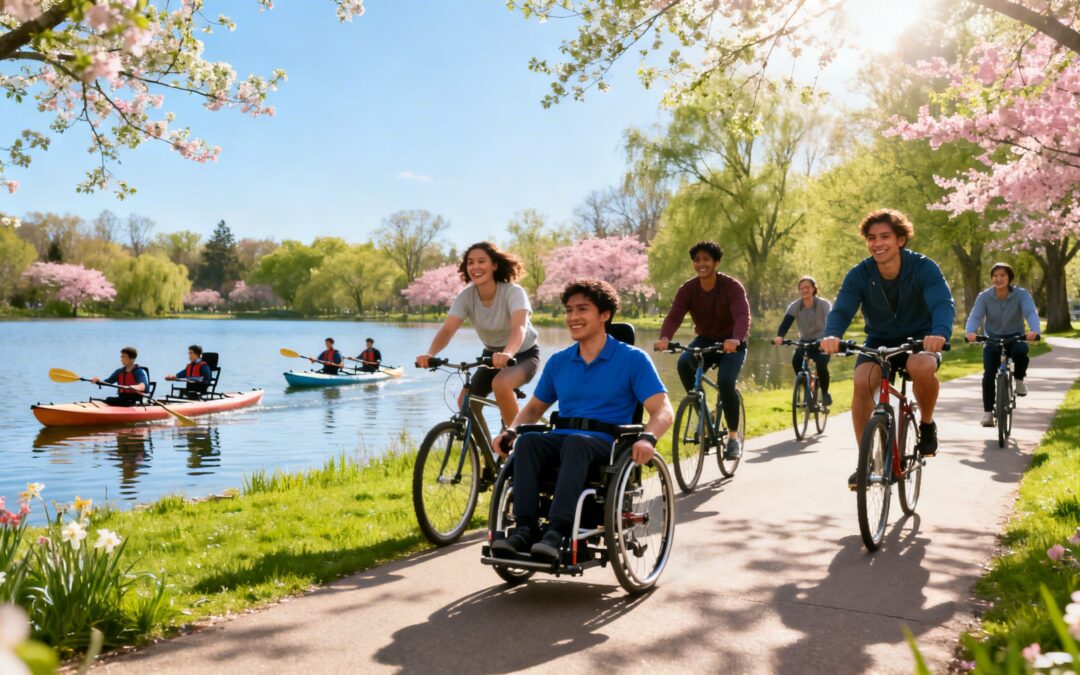
Spring is here, and with it comes a fresh start. April feels like the perfect time to get outside and try something new, especially when it comes to your well-being. Adaptive sports therapy is a fantastic way to connect with nature, improve your physical health, and boost your mood. It’s about finding activities that work for you and enjoying the warmer weather. Let’s explore why April is such a great month to jump into adaptive sports therapy and how it can make a real difference.
Key Takeaways
-
April’s mild weather and longer days make it an ideal time to start adaptive sports therapy outdoors.
-
Adaptive sports therapy uses outdoor activities to help improve both physical fitness and mental well-being.
-
Connecting with nature through adaptive sports can provide a significant mood boost and reduce stress.
-
Finding local adaptive sports programs and the right gear makes starting your journey easier.
-
Making adaptive sports therapy a regular part of your routine offers lasting health benefits and helps overcome initial hesitations.
Embrace Spring’s Renewal with Adaptive Sports Therapy
The Reawakening of Outdoor Activities
Spring is finally here, and you can just feel it in the air, right? The world seems to shake off its winter coat, and suddenly, being outside feels like the most natural thing in the world. This is the perfect time to think about getting active again, especially with adaptive sports. After months indoors, the longer days and milder temperatures make it so much easier to step out and try something new. It’s like the whole planet is giving us a nudge to get moving and enjoy the fresh air. Think about it: the birds are chirping, the flowers are starting to pop, and there’s a general sense of things coming back to life. This natural energy can really help kickstart your own journey.
Benefits of Adaptive Sports Therapy in Spring
Getting involved with adaptive sports therapy as the weather warms up has some serious perks. For starters, it’s just plain more comfortable to be outside when it’s not freezing or sweltering. This makes it easier to stick with it, which is half the battle, isn’t it? Plus, being active outdoors can do wonders for your mood. The combination of physical movement and natural surroundings is a powerful combo for feeling better, both physically and mentally. It’s not just about the exercise itself; it’s about the whole experience. You get to connect with nature, feel the sun on your skin, and breathe in that fresh spring air. This kind of therapy helps build emotional resilience, manage stress, and just generally improve your outlook. It’s a great way to find joy in movement and build a routine that works for you. You might find yourself trying things like mindful walking or gentle stretching outdoors, which can really help regulate your emotions and promote a sense of calm.
Finding Your Adaptive Sports Therapy Community
One of the best parts about starting adaptive sports therapy in the spring is that you’re not alone. As more people head outdoors, you’ll find more opportunities to connect with others who are doing the same thing. Many local organizations ramp up their programs this time of year, offering everything from adaptive cycling to wheelchair sports. Finding a group can make a huge difference. It’s motivating to be around people who understand your goals and challenges. Plus, it’s a fantastic way to make new friends and build a support system. Look for adaptive sports programs in your area; they often have introductory sessions or events perfect for newcomers. You might be surprised at how welcoming and inclusive these communities are. It’s all about finding your people and sharing the experience of getting active and enjoying the outdoors together. Remember, building a sustainable practice often involves having a good support network.
Starting something new can feel a bit daunting, but spring offers a natural invitation to step outside your comfort zone. The renewed energy of the season can be contagious, making it easier to take that first step towards a more active and fulfilling lifestyle through adaptive sports therapy.
The Therapeutic Power of April’s Outdoors
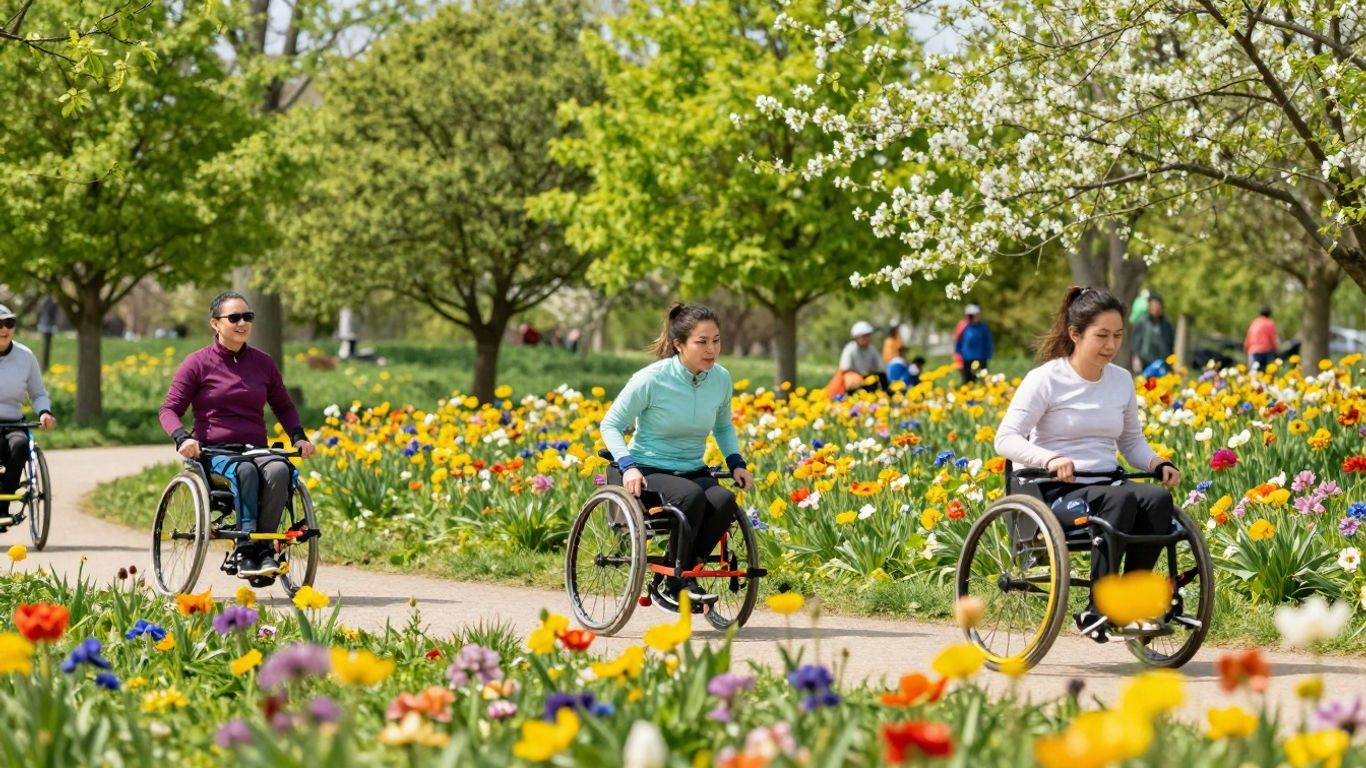
April arrives with a gentle nudge, coaxing us outside after a long winter. The air starts to feel a bit warmer, the sun lingers a little longer, and there’s this general sense of things waking up. It’s the perfect time to tap into what nature offers, especially when we combine it with adaptive sports. Think about it: the world is literally coming back to life, and so can we.
Nature’s Boost for Mental Well-being
Spending time outdoors, especially in spring, does wonders for your mood. The natural light helps regulate your body clock, which can make you feel more alert and less down. Plus, just being around trees and green spaces has a calming effect. It’s like a natural reset button for your brain. The simple act of breathing fresh air can clear your head and reduce feelings of stress. This connection to the natural world is a powerful, often overlooked, part of recovery and well-being.
Physical Gains Through Adaptive Sports
When you pair the revitalizing energy of spring with adaptive sports, you get a winning combination for physical progress. The milder weather means you can spend more time outside, engaging in activities that build strength and improve coordination. Whether it’s adaptive cycling, kayaking, or even just a walk on a nature trail, these activities are designed to work with your body’s abilities. They help you regain movement and build confidence in what you can do. It’s about finding joy in movement and seeing what your body is capable of, especially when you’re getting support through activity-based therapy ABT.
Connecting with Nature Through Adaptive Sports Therapy
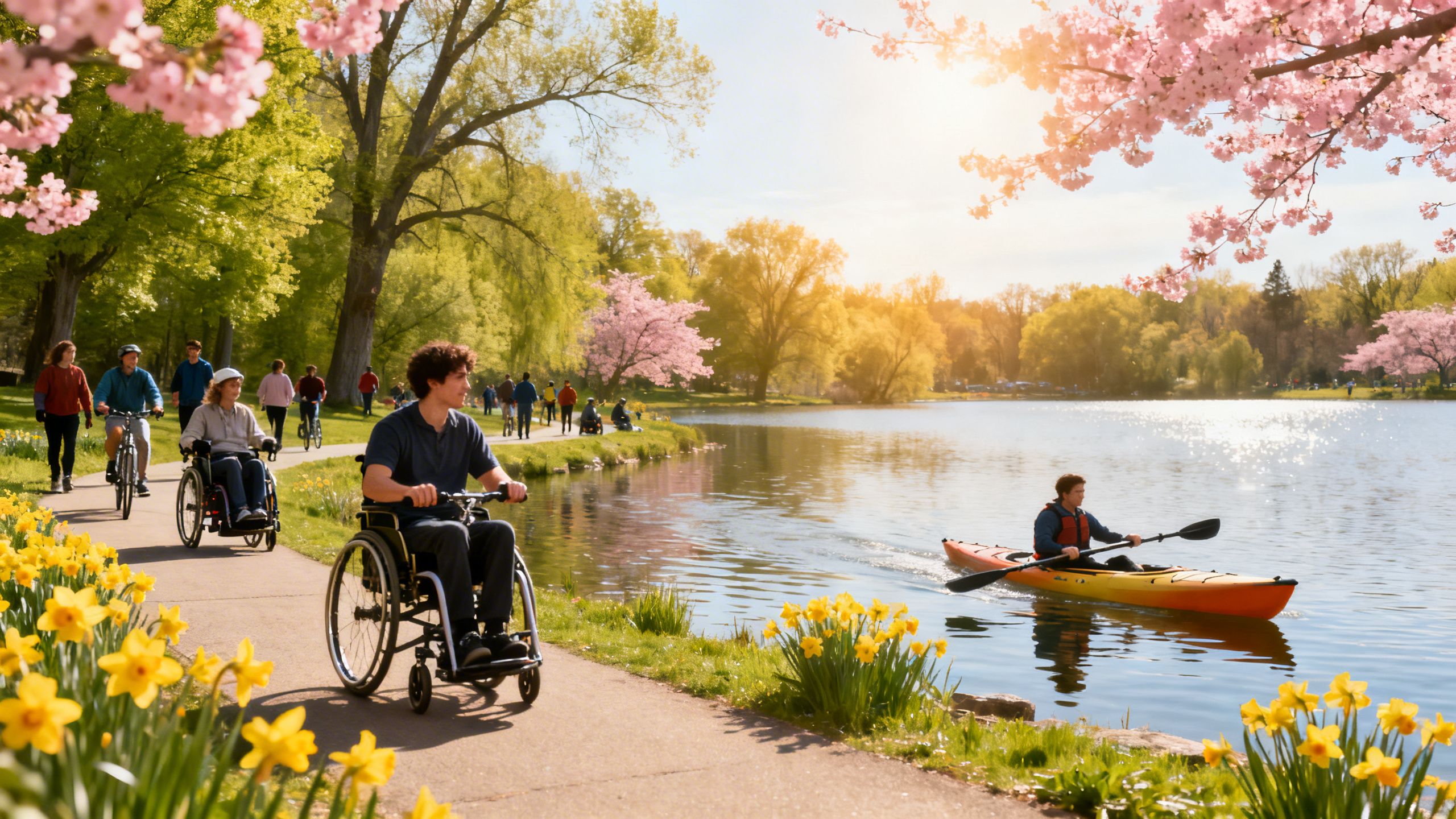
Adaptive sports therapy isn’t just about the physical workout; it’s also about the experience. Imagine paddling on a calm lake as the sun warms your face, or feeling the breeze as you cycle through a park. These moments connect you to your surroundings in a meaningful way. It’s about experiencing the freedom of movement in a beautiful setting. This kind of therapy helps you build a stronger relationship with both your body and the environment around you. It’s a holistic approach that nourishes the mind, body, and spirit, making the most of what April has to offer.
The shift in seasons brings a natural invitation to re-engage with the world. Taking advantage of April’s pleasant conditions for adaptive sports can significantly impact your journey toward greater physical and mental health. It’s a time for renewal, both in nature and within ourselves.
Discovering Accessible Adventures This April
Exploring Local Adaptive Sports Programs
April is a fantastic time to start looking into what’s available right in your backyard. Many organizations ramp up their activities as the weather gets nicer. You might be surprised at the variety of adaptive sports programs out there. Think about what interests you most. Are you drawn to the water? Maybe kayaking or adaptive rowing is your thing. Prefer solid ground? Look for adaptive cycling groups, wheelchair basketball leagues, or even adaptive hiking clubs. It’s all about finding the right fit for your interests and abilities.
Here are a few ways to find programs:
-
Check with local disability resource centers.
-
Search online for “adaptive sports near me” or “[your city] adaptive recreation.”
-
Ask your physical or occupational therapist for recommendations.
Gear Up for Your First Adaptive Sports Therapy Session
Getting ready for your first session doesn’t have to be complicated. The most important thing is to feel comfortable and safe. For many activities, you might not need much specialized gear to start. Often, the program will provide adaptive equipment. However, it’s good to have a few basics in mind:
-
Comfortable Clothing: Wear clothes that allow for a good range of motion and are suitable for the weather. Think athletic wear.
-
Appropriate Footwear: Sturdy, supportive shoes are usually best, even if you’re not walking. They can help with stability and protection.
-
Personal Needs: Bring any personal items you might need, like water, medication, or adaptive aids you use daily.
Don’t let the idea of special equipment stop you. Most adaptive sports programs are designed to be inclusive and will help you get set up with whatever you need to participate safely and enjoyably. The focus is on participation, not on having the fanciest gear.
Setting Goals for Your Adaptive Sports Journey
Starting something new is always more rewarding when you have a sense of direction. Setting goals, even small ones, can make a big difference in your motivation and progress. Think about what you hope to gain from participating in adaptive sports this spring. Are you looking to improve your physical fitness? Maybe you want to meet new people and build a social network. Or perhaps the goal is simply to get outdoors more and enjoy the fresh air.
Consider these types of goals:
-
Participation Goals: Aim to attend a certain number of sessions per week or month.
-
Skill-Based Goals: Focus on learning a new skill, like paddling a kayak independently or improving your shooting accuracy in wheelchair basketball.
-
Well-being Goals: Track how you feel after sessions – are you more energized? Less stressed? This can be a powerful motivator.
Remember, goals can evolve. What you aim for in April might change by June. The key is to start with something that feels achievable and exciting for you.
Why April Is Ideal for Starting Adaptive Sports Therapy
Mild Weather for Comfortable Participation
Spring is finally here, and April brings some of the best weather for getting outside. Gone are the biting winds of winter and the sweltering heat of summer. The temperatures are just right, making it comfortable to move your body without feeling too cold or too hot. This pleasant climate is perfect for trying out new adaptive sports or getting back into a routine. You can spend more time outdoors, really enjoying the activities without the weather being a major obstacle. It’s a great time to ease into things and find what works for you. For some tips on making the switch to outdoor workouts, check out this guide on transitioning to outdoor workouts.
Increased Daylight Hours for Extended Activity
As April rolls in, the days get noticeably longer. This means more daylight hours to play with, giving you more flexibility for your adaptive sports sessions. You don’t have to rush to finish before the sun goes down. Whether you prefer an early morning hike or a late afternoon paddle, there’s ample light to keep you going. This extended daylight can make fitting in your therapy sessions feel less like a chore and more like a natural part of your day. It really opens up possibilities for longer, more relaxed activities.
The Psychological Lift of Springtime
There’s just something about spring, isn’t there? After a long winter, the world starts to wake up again. Flowers bloom, trees get their leaves back, and everything feels a bit brighter. This natural renewal has a real impact on our mood. Starting adaptive sports therapy in April can tap into this positive energy. The combination of better weather, more sunlight, and the general feeling of a fresh start can make you feel more motivated and optimistic about your therapy goals. It’s a time when people often feel more inclined to try new things and embrace positive changes.
The shift from winter to spring often brings a natural boost in mood and energy. This can be a powerful motivator for starting new routines, especially those that involve physical activity and connecting with the outdoors. Taking advantage of this seasonal uplift can make the initial stages of adaptive sports therapy feel more accessible and enjoyable.
Integrating Adaptive Sports Therapy into Your Routine
So, you’ve decided to give adaptive sports therapy a try, maybe inspired by the nice weather in April. That’s great! But how do you actually make it stick? It’s not just about showing up once; it’s about building something that lasts. Think of it like starting any new habit – it takes a little planning and some honest effort.
Building a Sustainable Adaptive Sports Practice
Making adaptive sports a regular part of your life means finding a rhythm that works for you. It’s not about pushing yourself to exhaustion every time. Instead, focus on consistency. What does that look like? Well, it might mean:
-
Scheduling it in: Just like any other important appointment, block out time for your adaptive sports activities. Put it in your calendar and treat it with respect.
-
Starting small: Don’t try to do too much too soon. A short session a couple of times a week is much better than one long, overwhelming session that leaves you wiped out.
-
Finding activities you genuinely enjoy: If you dread going, you won’t stick with it. Explore different options until you find something that feels fun and rewarding. Maybe it’s adaptive kayaking, or perhaps wheelchair basketball is more your speed. The key is to find activities that suit your abilities and interests.
The goal is to make movement a natural part of your week, not a chore.
The Long-Term Impact of Adaptive Sports Therapy
When you commit to adaptive sports, you’re not just getting a workout. You’re investing in your overall well-being. Over time, you’ll likely notice a difference in your physical strength and stamina. But the mental and emotional benefits are just as significant. You might find your mood improves, your stress levels decrease, and your confidence grows. It’s about more than just the physical act; it’s about reclaiming a sense of capability and independence. This kind of consistent engagement can lead to significant improvements in your quality of life, making everyday tasks feel a bit easier and more enjoyable. It’s a journey of continuous improvement, and finding the right programs can make all the difference. You can explore local adaptive sports programs to see what’s available near you.
Overcoming Initial Hesitations with Adaptive Sports
It’s totally normal to feel a bit hesitant at first. Maybe you’re worried about not being good enough, or perhaps you’re unsure about the equipment or the environment. That’s where community comes in. Connecting with others who have similar experiences can be incredibly helpful. They can offer advice, share their own stories, and provide encouragement. Don’t be afraid to ask questions or admit when you’re unsure. Most adaptive sports communities are very welcoming and supportive.
Remember that everyone starts somewhere. The most important step is the first one, and it’s okay if that step feels a little wobbly. Focus on progress, not perfection. Celebrate the small victories along the way, like completing a session or trying a new activity. These small wins build momentum and make it easier to keep going.
Finding the right adaptive sports can be a game-changer for your health and happiness. It’s about embracing new possibilities and discovering what your body can do. Don’t let those initial doubts hold you back from experiencing the many rewards that adaptive sports have to offer.
Making adaptive sports therapy a regular part of your life can really help you feel better and stronger. It’s all about finding ways to move your body that work for you, no matter what challenges you face. Ready to learn more about how to get started? Visit our website today to discover how adaptive sports therapy can make a difference for you!
Wrapping It Up
So, if you’ve been thinking about trying something new, April is a great time to get outside and give adaptive sports or outdoor therapy a shot. The weather is finally warming up, the days are getting longer, and there’s just something about spring that makes everything feel possible. Whether you’re looking for a way to move your body, meet new people, or just clear your head, there’s probably an activity out there that fits. You don’t need fancy gear or a ton of experience—just a little curiosity and maybe a friend to join you. Who knows? You might end up loving it. And if not, at least you’ll have a good story to tell. So go ahead, take that first step. April’s waiting.
Frequently Asked Questions
What exactly are adaptive sports?
Adaptive sports are sports that have been changed so that people with disabilities can play them. Think of it like making sports accessible for everyone, no matter their physical or mental challenges. It’s all about finding ways to join in the fun!
Why is April a good month to start adaptive sports?
April is awesome because the weather gets nicer after winter. It’s not too hot or too cold, making it perfect for being outside. Plus, the days get longer, giving you more time to enjoy activities and feel good.
What are the benefits of doing adaptive sports in the spring?
Spring is a time for new beginnings, and so is adaptive sports! Being outside in April helps boost your mood and energy. It’s a great way to get your body moving, improve your strength, and feel more connected to nature as things start to bloom.
How can I find adaptive sports near me?
You can look online for ‘adaptive sports programs’ in your city or town. Many community centers, parks, and special organizations offer these kinds of activities. Sometimes, just asking at your local recreation center is a good first step.
What if I’m a little nervous about trying adaptive sports?
It’s totally normal to feel a bit unsure at first! Most adaptive sports groups are super welcoming and supportive. They understand that everyone starts somewhere. Focus on having fun and enjoying the experience, and the rest will follow.
Can adaptive sports help my mental health?
Absolutely! Getting active, especially outdoors in the spring, can really lift your spirits. It helps reduce stress, improve focus, and gives you a sense of accomplishment. Being part of a group also helps you feel less alone and more connected.
Recent Comments