

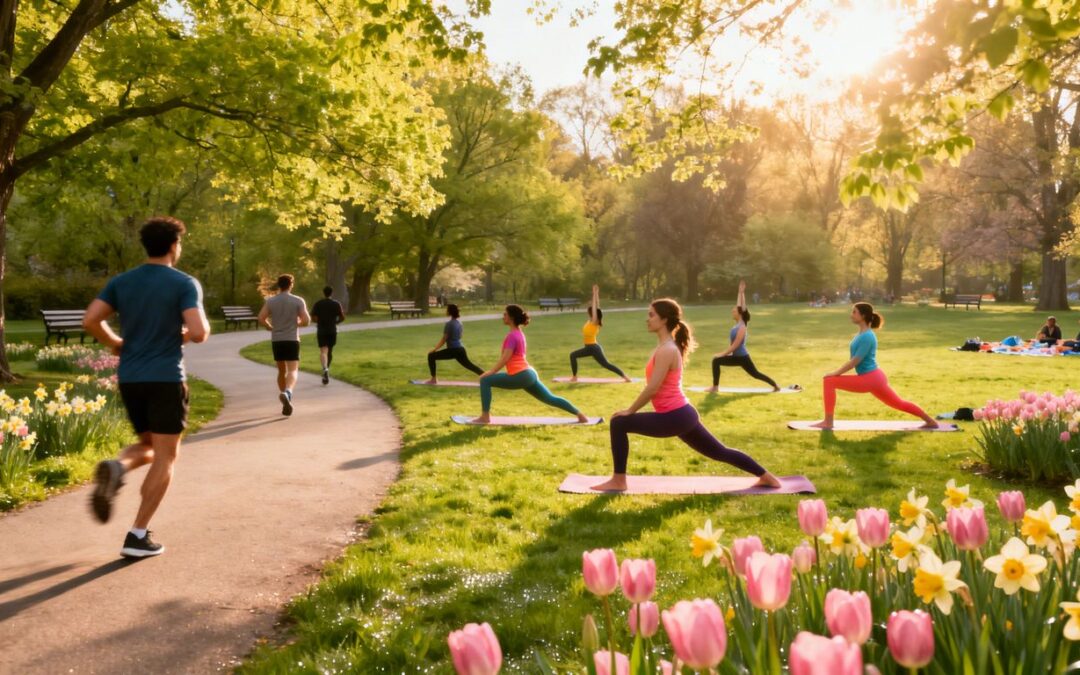
Spring is here, and it’s a great time to get outside and get moving. If you’re looking for ways to be more active, especially if you have some physical challenges, adaptive fitness is the way to go. It’s all about finding activities that work for you, no matter what. We’ll cover how to get started safely, what kinds of things you can do both inside and out, and how to keep it going. Let’s get ready for a more active spring!
Key Takeaways
-
Adaptive fitness means finding ways to exercise that fit your body and abilities, making movement accessible for everyone.
-
Starting slow with gentle warm-ups and listening to your body are key to avoiding injury and enjoying spring activities.
-
There are many options for adaptive fitness, from accessible trails and sports to home workouts and virtual classes.
-
Proper nutrition and recovery, including staying hydrated, help your body perform better and bounce back after exercise.
-
Building a regular routine is more about sticking with it consistently than pushing yourself too hard, and finding a community can help.
Embracing Adaptive Fitness This Spring
Spring is here, and it feels like the whole world is waking up. After a long winter, getting back into moving feels really good, doesn’t it? For those of us who use adaptive fitness, this season offers a fresh start. It’s a chance to reconnect with our bodies and enjoy the outdoors again.
Understanding Adaptive Fitness Principles
Adaptive fitness isn’t about limitations; it’s about finding what works for you. It’s a personalized approach to exercise that considers individual needs, abilities, and goals. The core idea is to make physical activity accessible and enjoyable for everyone, regardless of physical challenges. Think of it as creative problem-solving for movement. The focus is always on what you can do, not what you can’t.
Benefits of Spring Re-engagement
There’s something special about spring. The longer days and warmer weather make it easier to get outside. For adaptive fitness, this means more opportunities:
-
Improved Mood: Sunlight and fresh air can really lift your spirits.
-
Increased Energy: Moving your body helps combat that sluggish feeling.
-
Greater Independence: Re-engaging with activities can boost your confidence.
-
Connection with Nature: Enjoying parks, trails, and water is a big plus.
Setting Realistic Goals for Adaptive Fitness
When you’re getting back into it, it’s smart to start small. Trying to do too much too soon can lead to frustration or injury. Think about what you’d like to achieve, but keep it manageable.
-
Start with shorter durations for activities.
-
Focus on consistency rather than intensity.
-
Celebrate small wins along the way.
Setting achievable goals is key to building momentum. It’s like taking one step at a time. Each successful step builds confidence and makes the next one feel easier. Don’t compare your progress to anyone else’s; your journey is unique.
Preparing Your Body for Spring Movement
After a winter spent mostly indoors, jumping straight into intense activity can feel like a shock to the system. It’s really important to ease back into things. Think of it like waking up a sleepy engine – you don’t just floor it. We need to gently coax our bodies back into motion, making sure everything is ready for the increased demands of spring.
Gentle Warm-Up Routines
Before you even think about breaking a sweat, a good warm-up is your best friend. It gets the blood flowing to your muscles and prepares your joints for movement, which can really help in reducing the risk of injury. A few minutes of light movement can make a big difference.
-
Start with some dynamic stretches like arm circles, leg swings, and torso twists.
-
Incorporate some light cardio, such as a slow walk or gentle cycling, for about 5-10 minutes.
-
Focus on movements that mimic the activity you’re about to do.
Importance of Flexibility and Mobility
Flexibility and mobility are key to moving well, especially as we get back into it. Stiff muscles and joints can limit your range of motion and make you feel awkward. Working on these areas helps you move more freely and comfortably.
Spending time on flexibility and mobility exercises doesn’t have to be a huge time commitment. Even 10-15 minutes a few times a week can start to make a noticeable difference in how your body feels and performs during your activities.
Listening to Your Body’s Signals
This is probably the most important part of getting back into fitness. Your body will tell you what it can handle. Pushing too hard, too soon, is a fast track to feeling sore, getting hurt, or just feeling discouraged.
-
Pay attention to any aches or pains. A little muscle soreness is normal, but sharp or persistent pain is a sign to back off.
-
Don’t compare your current abilities to where you were last year or what others are doing.
-
Rest days are just as important as workout days. They allow your body to recover and get stronger.
Safe Outdoor Adaptive Fitness Activities
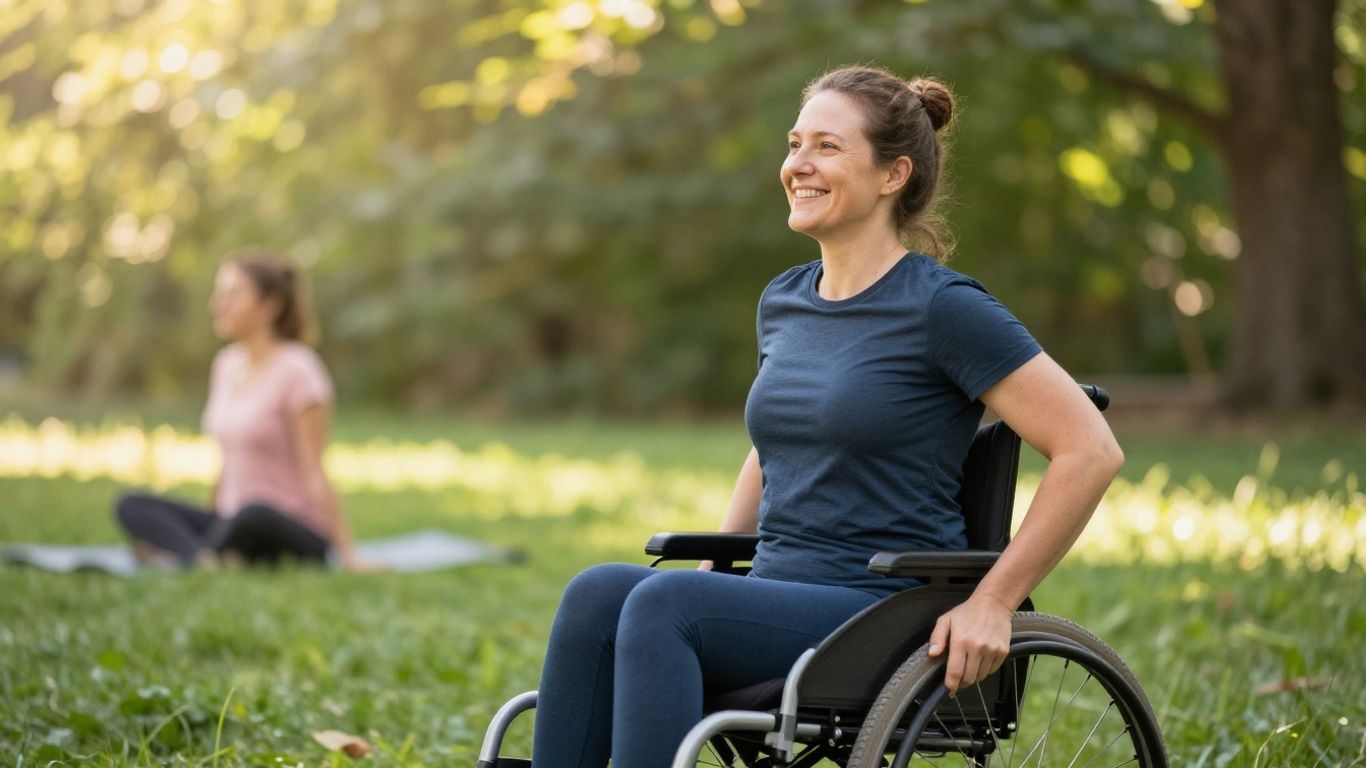
Spring is here, and the weather is finally getting nice enough to get outside! It’s a great time to shake off the winter blues and get moving again. Being outdoors can really lift your spirits, and there are tons of ways to do it safely, no matter your abilities. The key is finding activities that work for you and your body.
Accessible Walking and Hiking Trails
Walking is a fantastic way to start. Many parks and nature areas now have paved or well-maintained trails that are perfect for wheelchairs, walkers, or just a gentle stroll. Look for trails marked as accessible. These often have:
-
Gentle slopes
-
Smooth surfaces
-
Rest areas along the way
Before you go, check the park’s website or call ahead to confirm trail conditions. Sometimes, even a short walk on a sunny path can make a big difference. It’s a great way to reconnect with nature and get some fresh air. As winter ends, the increased daylight and warmer weather can boost energy levels and mood, positively impacting rehabilitation. Finding accessible trails is easier than you might think.
Adaptive Cycling and Wheelchair Sports
If walking isn’t your thing, consider adaptive cycling. There are specialized bikes, like handcycles or recumbent bikes, that can be a lot of fun and a good workout. Many communities have adaptive sports programs that offer these for rent or use. Wheelchair sports are also gaining popularity. Think about wheelchair basketball, tennis, or even rugby if you’re looking for something more intense. These activities are not only great for fitness but also for social interaction.
Water-Based Adaptive Exercises
Water is incredibly forgiving on the joints, making it an ideal place for exercise. Aquatic therapy and water aerobics classes designed for adaptive fitness are wonderful options. The buoyancy of the water supports your body, reducing impact while still allowing for a good range of motion. You can often find pools with:
-
Zero-depth entry or lifts for easy access
-
Handrails for stability
-
Warmer water temperatures
These can be really beneficial for improving strength, balance, and flexibility. It’s a refreshing way to get your body moving without feeling like you’re working too hard.
Remember to always check the weather before heading out for outdoor activities. Sudden changes can make conditions unsafe. It’s also a good idea to let someone know where you’re going and when you expect to be back, especially if you’re exercising alone.
Indoor Adaptive Fitness Options
Home-Based Adaptive Workouts
When the weather outside isn’t cooperating, or if heading to a gym feels like too much, your own home can become a fantastic adaptive fitness space. You don’t need a lot of fancy equipment to get a good workout in. Think about simple exercises you can do with your body weight. Things like modified push-ups against a wall or a sturdy counter, seated leg raises, or gentle stretches can make a big difference. It’s all about finding what works for your body and your space. You can also use common household items as makeshift weights, like water bottles or cans of food. The key is to be creative and consistent.
Here are a few ideas to get you started:
-
Seated Marches: Sit tall in a chair and lift one knee towards your chest, then lower it. Alternate legs. This is great for leg strength and circulation.
-
Arm Circles: While seated or standing, make small circles with your arms forward, then backward. Gradually increase the size of the circles if comfortable.
-
Chair Squats: Stand in front of a sturdy chair, feet hip-width apart. Slowly lower your hips as if you’re going to sit down, lightly touching the chair before standing back up.
Remember, the goal is movement and building strength at your own pace. Don’t push yourself too hard, especially when starting out. Listen to your body and rest when you need to.
Utilizing Adaptive Fitness Equipment
While home workouts can be done with minimal gear, specific adaptive fitness equipment can really open up new possibilities and add variety. These tools are designed with accessibility and safety in mind. For example, resistance bands are incredibly versatile. You can use them for a wide range of exercises targeting different muscle groups, and they take up very little space. Hand cycles, often found in gyms or available for home use, are excellent for upper body cardiovascular workouts. If you have access to a gym, look for machines that have adaptive features, like lower entry points or specialized grips. Even simple items like yoga blocks or straps can help modify poses and make them more accessible.
Virtual Adaptive Fitness Classes
Sometimes, the biggest hurdle is just getting started or knowing what exercises to do. That’s where virtual adaptive fitness classes come in. The internet is brimming with options now. You can find live-streamed classes or pre-recorded sessions that cater to various needs and abilities. Many instructors are experienced in modifying movements on the fly, offering alternatives for different levels of mobility. This can be a great way to get expert guidance without leaving your living room. Plus, the community aspect, even virtually, can be motivating. Seeing others participate and knowing you’re not alone in your fitness journey can be a real boost. Look for classes that focus on:
-
Gentle yoga or stretching
-
Seated strength training
-
Balance and coordination exercises
-
Low-impact cardio routines
Nutrition and Recovery for Adaptive Fitness
Fueling Your Body for Activity
Getting back into movement after a break, especially with adaptive fitness, means your body needs the right kind of fuel. Think of it like putting good gas in a car – it just runs better. We’re not talking about complicated diets here, just smart choices that give you energy for your workouts and help you bounce back. Focus on whole foods that provide sustained energy. This means plenty of fruits, vegetables, lean proteins, and healthy fats. These give you the vitamins and minerals your body needs to function well and repair itself. For longer or more intense sessions, consider incorporating complex carbohydrates like whole grains a couple of hours before you start. They’re like a slow-release energy pack.
Post-Workout Recovery Strategies
Recovery is just as important as the workout itself, maybe even more so when you’re adapting your fitness routine. It’s when your muscles actually get stronger and your body repairs any wear and tear. Skipping this step can lead to feeling sore for days or even getting injured. Here are a few things that really help:
-
Gentle stretching: Focus on the muscles you used during your activity. Hold each stretch for about 20-30 seconds. Don’t push it too hard; it should feel like a mild pull, not pain.
-
Active recovery: This could be a short, easy walk or some light movement the day after your main workout. It helps blood flow to your muscles and can reduce stiffness.
-
Rest: Sometimes, the best recovery is just good old-fashioned rest. Make sure you’re getting enough quality sleep. Your body does a lot of its repair work while you’re sleeping.
Don’t underestimate the power of listening to your body. If you’re feeling unusually tired or sore, it’s okay to take an extra rest day or do a lighter activity. Pushing through constant fatigue isn’t productive and can set you back.
Hydration for Optimal Performance
Staying hydrated is a big deal for everyone, but it’s especially important when you’re increasing your physical activity. Water helps your body do pretty much everything, from regulating temperature to moving nutrients around. You lose water through sweat, so you need to replace it. Don’t wait until you feel thirsty; thirst is actually a sign that you’re already a bit dehydrated. Sip water throughout the day, and make sure to drink before, during, and after your workouts. If you’re exercising for a long time or in warm weather, you might also need to think about electrolytes, which can be found in sports drinks or even some foods. Keeping your fluid levels up helps prevent fatigue and keeps your mind sharp.
Building a Sustainable Adaptive Fitness Routine
Getting into a groove with adaptive fitness is less about pushing yourself to the absolute limit every single time and more about finding a rhythm that works for you long-term. It’s about making movement a natural part of your week, not a chore. Consistency over intensity is the name of the game here. Think of it like tending a garden; you water it regularly, not just once in a while with a fire hose. This approach helps prevent burnout and keeps your body feeling good, ready for the next session.
Consistency Over Intensity
This might sound obvious, but it’s worth repeating. Pushing too hard, too soon, especially after a break or when starting out, can lead to injury or just plain exhaustion. Instead, aim for regular, shorter sessions. Maybe it’s a 20-minute walk a few times a week, or a short adaptive yoga routine. The goal is to build the habit. Over time, as your body adapts and your confidence grows, you can gradually increase the duration or intensity. It’s a marathon, not a sprint, and building that consistent habit is the first big win. You can find some great tips on staying motivated for this consistent movement.
Finding a Supportive Community
Sometimes, having others around makes all the difference. Whether it’s a friend who joins you for walks, a family member who cheers you on, or a dedicated adaptive fitness group, community support can be a huge motivator. Sharing experiences, challenges, and successes with people who understand can make your fitness journey feel less isolating and more enjoyable. Look for local adaptive sports clubs or online forums where you can connect with others.
Adapting Your Routine as You Progress
Your fitness routine shouldn’t be set in stone. As you get stronger and fitter, your needs and capabilities will change. It’s important to check in with yourself regularly and adjust your activities accordingly. This might mean:
-
Increasing the duration of your workouts.
-
Trying new types of adaptive exercises.
-
Adding more challenging variations of existing movements.
-
Setting new, achievable goals.
Listening to your body is key. If something feels off, don’t push through it. It’s okay to scale back or take an extra rest day. The goal is sustainable progress, not perfection. Your routine should evolve with you.
Remember, the most effective adaptive fitness plan is one you’ll actually stick with. Focus on making movement a positive and integrated part of your life, and you’ll be well on your way to a healthier, more active spring and beyond.
Creating a fitness plan that works for you and can change as you do is key to staying healthy. Think about what you enjoy and what fits into your life. You can start small and build up. Making fitness a regular part of your week doesn’t have to be hard. Ready to find a routine that fits your needs? Visit our website to learn more and get started!
Wrapping Up Your Spring Fitness Journey
So, spring is here, and it’s a great time to get back into moving. Remember to start slow, listen to your body, and don’t push too hard, especially if you’ve been less active. Finding activities you actually enjoy makes a huge difference. Whether it’s a walk in the park, some gentle yoga, or even just gardening, the goal is to feel good and build up your strength gradually. Stay safe, have fun, and enjoy the warmer weather as you get your body moving again.
Frequently Asked Questions
What exactly is adaptive fitness?
Adaptive fitness is all about finding ways to exercise that work for *you*, no matter your physical abilities or challenges. It’s like customizing your workout so it’s safe, fun, and effective, focusing on what you *can* do.
Why is spring a good time to start exercising again?
Spring brings warmer weather and longer days, which makes getting outside much more appealing! It’s a natural time for renewal, and the fresh air can really boost your mood and energy levels, making it easier to get moving.
How can I make sure I don’t get hurt when I start exercising?
The key is to start slow and listen to your body. Always do a gentle warm-up before you exercise and some stretching afterward. If something feels painful, stop or modify the activity. It’s better to do a little bit safely than to push too hard and get injured.
Are there special exercises for people using wheelchairs?
Absolutely! There are many great options, like adaptive cycling where bikes are designed for wheelchair users, wheelchair basketball, or even handcycling. Many gyms also have adaptive machines that can be used from a seated position.
What should I eat and drink to help my body recover after exercise?
Eating a balanced meal with protein and carbs after a workout helps your muscles repair. Staying hydrated is super important too – drink plenty of water throughout the day, especially before, during, and after exercising. Think of it as giving your body the fuel and water it needs to bounce back stronger.
How do I stick with an exercise plan long-term?
The secret is consistency, not necessarily doing super hard workouts every day. Find activities you genuinely enjoy, maybe join a group or class for support, and don’t be afraid to change things up as your fitness improves. Making it a regular part of your life, even if it’s just for a short time each day, is what really counts.
Recent Comments