


The holiday season can be a tricky time for anyone, but for individuals with spinal cord injuries, it brings a whole new set of hurdles. Between holiday parties and family visits, things can get complicated. We want to make sure everyone feels included and supported, especially during this time of year. This article looks at simple ways we can all help make the holidays brighter for those with spinal cord injuries, focusing on community engagement and thoughtful actions. Our goal is supporting spinal cord injury survivors so they can enjoy the season just like everyone else.
Key Takeaways
-
Understand that spinal cord injury survivors face unique holiday challenges, like getting around and feeling tired.
-
Find simple ways to make holiday traditions work for everyone, like offering rides or help with tasks.
-
Organize events or connect virtually to help survivors feel less alone and more part of things.
-
Tap into local groups and ask for volunteers to help build a support system for survivors.
-
Choose gifts that can help survivors with their daily lives or offer enjoyable experiences.
Understanding The Unique Holiday Challenges For Spinal Cord Injury Survivors
The holiday season, often pictured as a time of joy and togetherness, can bring a whole different set of hurdles for individuals living with spinal cord injuries (SCI). It’s not just about the decorations and carols; it’s about the practicalities and the emotional weight that can come with this time of year.
Navigating Physical Accessibility During Festive Gatherings
Getting to holiday parties and family get-togethers can be a real struggle. Think about it: many homes aren’t set up for wheelchairs. Stairs are a big one, of course, but even tight doorways or crowded rooms can make things difficult. Sometimes, just finding a suitable restroom can be a challenge. It’s important to remember that accessibility isn’t just about ramps; it’s about the whole experience. Planning ahead is key, and sometimes that means having honest conversations with hosts about what might be needed to make things work.
Managing Increased Fatigue and Pain
Holiday activities often mean more going out, more socializing, and generally more effort. For someone with an SCI, this can quickly lead to increased fatigue and flare-ups of pain. The body might be working harder just to keep up, and the emotional toll of trying to participate fully can be draining. It’s easy to push yourself too hard when you don’t want to miss out, but that often leads to needing more recovery time afterward.
Addressing Emotional Well-being and Social Isolation
While everyone else seems to be surrounded by loved ones, the holidays can sometimes amplify feelings of loneliness for those with SCI. Seeing traditions change or feeling like you can’t participate in the same ways can be tough. It’s also a time when people might be away, and usual support systems might be less available. This can make it harder to cope with the daily realities of living with an injury, and it’s something that needs attention. Finding ways to stay connected, even when it’s difficult, is so important for overall well-being. Learning about how others manage these feelings can be helpful, and resources are available to help with adjusting to life after injury.
The pressure to be festive and social can be immense, but it’s okay for survivors to set their own pace and boundaries. Listening to your body and your emotional needs is the most important thing, even if it means saying no to some events or activities.
Practical Ways To Offer Support For Spinal Cord Injury Survivors
Supporting someone with a spinal cord injury (SCI) during the holidays doesn’t have to be complicated. It’s often the small, thoughtful gestures that make the biggest difference. Think about how you can make things a little easier and more enjoyable for them.
Adapting Holiday Traditions for Inclusivity
Traditions are a big part of the holidays, but they might need a little tweaking to work for everyone. It’s about finding ways to keep the spirit alive without creating unnecessary hurdles. Making small adjustments can mean the world to someone who might otherwise feel left out.
-
Food: If a big sit-down meal is difficult, consider a more casual buffet or even a potluck where people can serve themselves. Think about dietary needs too; sometimes, SCI can affect digestion.
-
Activities: Instead of activities that require a lot of standing or movement, plan things like board games, movie marathons, or craft sessions. Maybe a virtual reality experience could be fun?
-
Decorations: Ensure decorations are placed at accessible heights and don’t create tripping hazards. Simple, elegant touches can be just as festive.
It’s easy to get caught up in how things have
Fostering Connection And Belonging
The holidays can sometimes feel isolating, especially when you’re dealing with a spinal cord injury. It’s easy to feel left out if gatherings aren’t set up with everyone in mind. But that doesn’t mean you have to miss out on the warmth of the season. Creating opportunities for people to connect is really important.
Organizing Accessible Holiday Events
When planning get-togethers, think about making them work for everyone. This means considering the physical space and the activities.
-
Location, Location, Location: Pick a place that’s easy to get around. Think ramps, wide doorways, and accessible restrooms. If it’s at someone’s home, maybe a ground floor is best.
-
Activity Adaptations: Not everyone can participate in the same way. If there’s a game, can there be a modified version? If there’s dancing, is there space for those who use wheelchairs to join in comfortably?
-
Food Considerations: Make sure there are options for different dietary needs. It’s also nice if the food is easy to reach and serve.
Encouraging Virtual Connections
Sometimes, getting out just isn’t possible, and that’s okay. Technology can be a real lifesaver for staying in touch.
-
Video Calls: Schedule regular video chats with friends and family. It’s not the same as being there, but seeing faces and hearing voices makes a big difference.
-
Shared Online Activities: You could watch a movie together virtually, play online games, or even have a virtual “coffee” date.
-
Social Media Groups: Joining online communities focused on SCI or shared hobbies can provide a sense of belonging and support.
Creating Opportunities for Meaningful Interaction
It’s not just about being present; it’s about feeling truly included and valued.
Genuine connection happens when people feel seen and heard. It’s about making sure everyone has a chance to share their thoughts and feelings, and that their contributions are welcomed.
-
One-on-One Time: Sometimes, a quiet chat with one person is more meaningful than being in a big, noisy crowd. Make time for these deeper conversations.
-
Shared Hobbies: Find activities you can do together, whether it’s reading the same book and discussing it, or working on a craft project.
-
Storytelling: Encourage sharing memories or stories. This can be done in a group setting or individually, and it helps build a shared history and understanding.
The Role Of Community In Supporting Spinal Cord Injury Survivors
It’s easy to think of the holidays as a time for family, but the community plays a huge part too, especially for those with spinal cord injuries. When you’re dealing with new challenges, having a solid support system outside of your immediate circle makes a big difference. It’s about more than just getting through the season; it’s about feeling connected and part of something bigger.
Leveraging Local Resources and Support Networks
Sometimes, the help you need is closer than you think. Local groups and organizations often have programs specifically designed to assist individuals with disabilities. These places can offer practical advice, connect you with others who understand, and even provide direct services. Don’t be afraid to reach out and see what’s available in your area. Many communities have dedicated centers that can help with everything from finding accessible transportation to organizing social events. Checking out resources for advanced rehabilitation can also point you toward local support systems.
Encouraging Volunteer Engagement
Volunteers are the backbone of so many community efforts. For spinal cord injury survivors, having volunteers step in can mean a lot. This could be anything from helping with holiday decorating to assisting with meal preparation or simply providing companionship. It’s a way for people to give back and for survivors to receive a helping hand without feeling like a burden. This kind of support can really lighten the load during a busy time.
Building Lasting Relationships Beyond the Holidays
The holiday season is a great time to start building connections, but the goal should be to keep them going. True community support isn’t just a temporary fix; it’s about creating relationships that last. This means checking in, continuing to offer help, and making sure survivors feel included year-round, not just when the decorations are up. It’s about building a network that supports well-being and independence.
Building these connections takes effort from everyone involved. It requires open communication, a willingness to adapt, and a genuine desire to include individuals with spinal cord injuries in community life. Small acts of kindness and consistent support can have a profound impact, making the holidays, and indeed the entire year, much brighter.
Empowering Survivors Through Thoughtful Gifting

The holidays can be a time for joy, but for individuals with spinal cord injuries, it might also bring unique challenges. Thinking about gifts that genuinely help can make a big difference. It’s not just about presents; it’s about showing you care and supporting their daily lives.
Gifts That Enhance Independence
When picking out a gift, consider items that make everyday tasks a bit easier. Think about things that give survivors more control over their environment or personal care. A well-chosen gift can be a constant reminder of support and capability.
-
Adaptive kitchen tools that make cooking simpler.
-
Smart home devices for easier control of lights and temperature.
-
Comfortable, adaptive clothing that’s easy to put on and take off.
Sometimes the most practical gifts are the ones that aren’t flashy but solve a real problem. It’s about finding that sweet spot between usefulness and something that feels like a treat.
Adaptive Equipment and Assistive Technology
This category covers a wide range of items that can really change how someone manages their day. It might be something small, like a specialized utensil, or something bigger, like a piece of tech. These tools are designed to help overcome specific barriers.
-
Reachers or grabbers for picking up dropped items.
-
Voice-activated software for computers or phones.
-
Customized cushions for better seating comfort and pressure relief.
Looking into resources like the Holiday Gift Program by REACH can give you ideas for specific items or programs that help survivors during this season.
Experiences Tailored to Individual Interests
Beyond physical items, think about gifts that create positive experiences. What does the survivor enjoy doing? Maybe it’s art, music, or spending time outdoors. Gifts that allow them to participate in activities they love, perhaps with some adjustments, can be incredibly meaningful.
-
Tickets to an accessible concert or play.
-
A subscription to an audiobook service if reading is difficult.
-
An outing to a local park with accessible trails, if weather permits.
Prioritizing Mental Health And Emotional Resilience
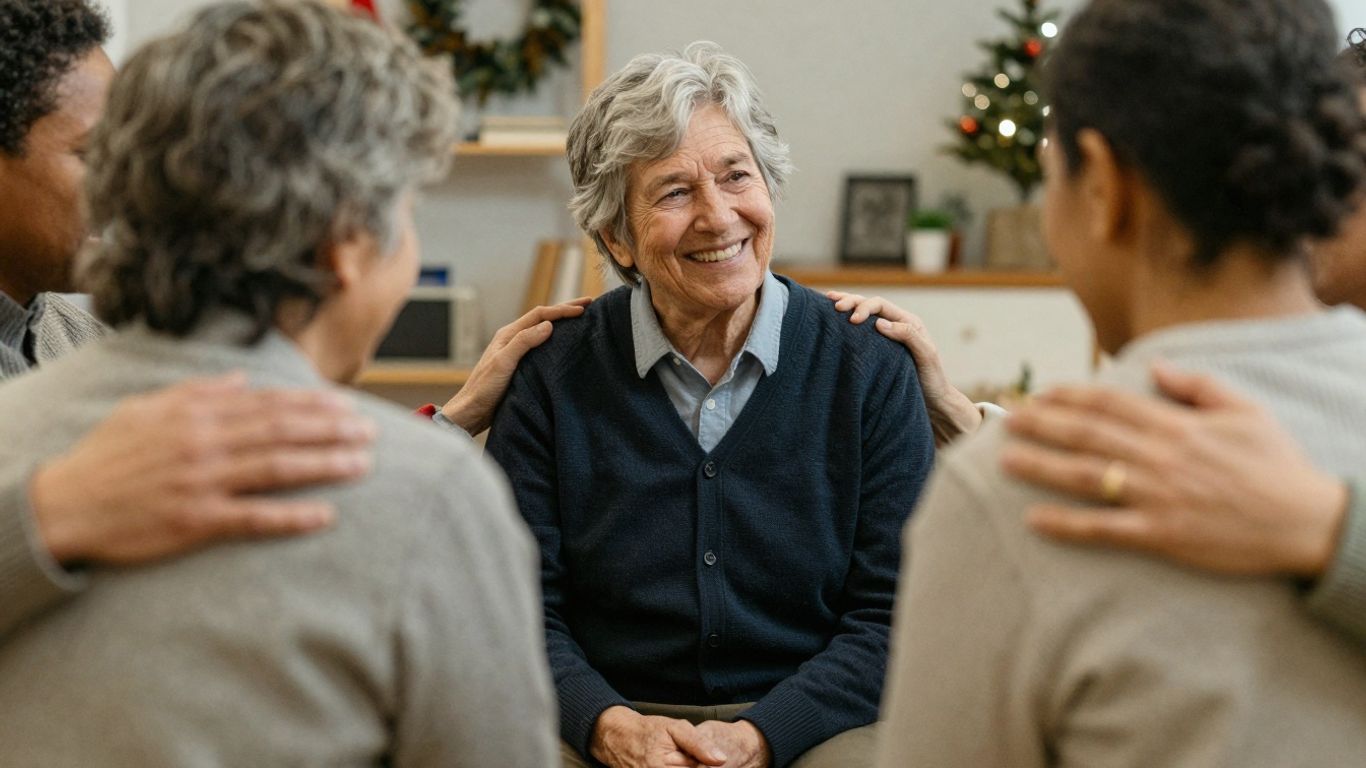
Recognizing Signs of Holiday Stress
The holidays can be a tough time for anyone, but for individuals with spinal cord injuries, the added pressures can really take a toll. It’s important to be aware of what might be going on. Sometimes it’s just feeling more tired than usual, or maybe aches and pains flare up more. Other times, it’s a deeper feeling of being left out or a bit down. Paying attention to these signals is the first step in offering real support.
Some common signs to watch for include:
-
Changes in sleep patterns (sleeping too much or too little).
-
Loss of interest in activities that were once enjoyable.
-
Increased irritability or mood swings.
-
Expressing feelings of hopelessness or loneliness.
-
Difficulty concentrating or making decisions.
The festive season often comes with a lot of expectations, both from ourselves and from others. For someone managing a spinal cord injury, these expectations can feel overwhelming. It’s easy to feel like you’re not keeping up or that you’re a burden, even when that’s not the case at all. Acknowledging these feelings without judgment is key.
Encouraging Self-Care Practices
Self-care isn’t just about bubble baths and spa days, though those can be nice! It’s about actively doing things that help you feel better, physically and mentally. For survivors, this might look a little different. It could be:
-
Setting realistic goals for holiday activities – it’s okay to say no or to leave early.
-
Making time for quiet relaxation, like listening to music or reading.
-
Engaging in gentle adaptive exercises if possible, or simply stretching.
-
Practicing mindfulness or deep breathing exercises to manage stress.
-
Connecting with friends or family for a chat, even if it’s just for a few minutes.
It’s about finding what works for the individual and making it a priority, even when things get busy. Small, consistent efforts can make a big difference.
Connecting Survivors with Mental Health Professionals
Sometimes, the holiday blues or stress can be more than just a passing feeling. If someone seems to be struggling significantly, or if the signs of distress persist, it’s important to encourage them to seek professional help. Mental health professionals are trained to help people work through difficult emotions and develop coping strategies. This could involve:
-
Talking to a therapist or counselor who specializes in chronic illness or disability.
-
Joining a support group, either in person or online, where they can connect with others who understand.
-
Consulting with their doctor about potential mental health resources or treatments.
Reaching out for professional support is a sign of strength, not weakness. It shows a commitment to well-being, and that’s something we should all support during the holidays and beyond.
Taking care of your mind and feelings is super important. It helps you handle tough times and stay strong. Want to learn more ways to boost your mental strength and emotional well-being? Visit our website for helpful tips and resources.
Wrapping It Up
So, as the holiday season rolls around, remember that a little bit of kindness goes a long way. It doesn’t take much to reach out and show someone you care, especially those who have been through tough times. Whether it’s a warm meal, a listening ear, or just a friendly face, these simple acts can make a big difference. Let’s make this holiday season about connection and support for everyone in our community. It’s a chance to really be there for each other, and that’s a pretty great gift, don’t you think?
Frequently Asked Questions
Why are the holidays tough for people with spinal cord injuries?
Holidays can be tricky because usual places might not be easy to get around in. Lots of parties mean more people, which can be tiring. Also, feeling left out or lonely can be harder when everyone else seems to be celebrating together.
How can I make holiday events more welcoming for someone with a spinal cord injury?
Think about where the party is. Is there a ramp or an elevator? Make sure there’s enough space for wheelchairs. Also, don’t plan too many things back-to-back, as people might get tired easily.
What kind of help can I offer that’s actually useful?
You could help with things like cooking, decorating, or even just driving them to places. Sometimes, just having someone to chat with or help with small tasks makes a big difference.
Are there special gifts that help people with spinal cord injuries?
Yes! Gifts that make daily life simpler, like tools that help them do things more easily, or tech that helps them stay connected, can be really great. Experiences, like going to a show or a game that’s accessible, are also wonderful.
How can I help someone feel less lonely during the holidays?
You can invite them to gatherings, even if it’s just for a short while. Setting up video calls with friends and family is also a good idea. Planning a quiet, one-on-one visit can be just as meaningful.
What if someone seems stressed or sad during the holidays?
It’s okay to notice if someone isn’t feeling their best. Encourage them to take breaks and do things they enjoy. If they seem really down, gently suggest talking to a counselor or a doctor who can help them feel better.
Recent Comments