

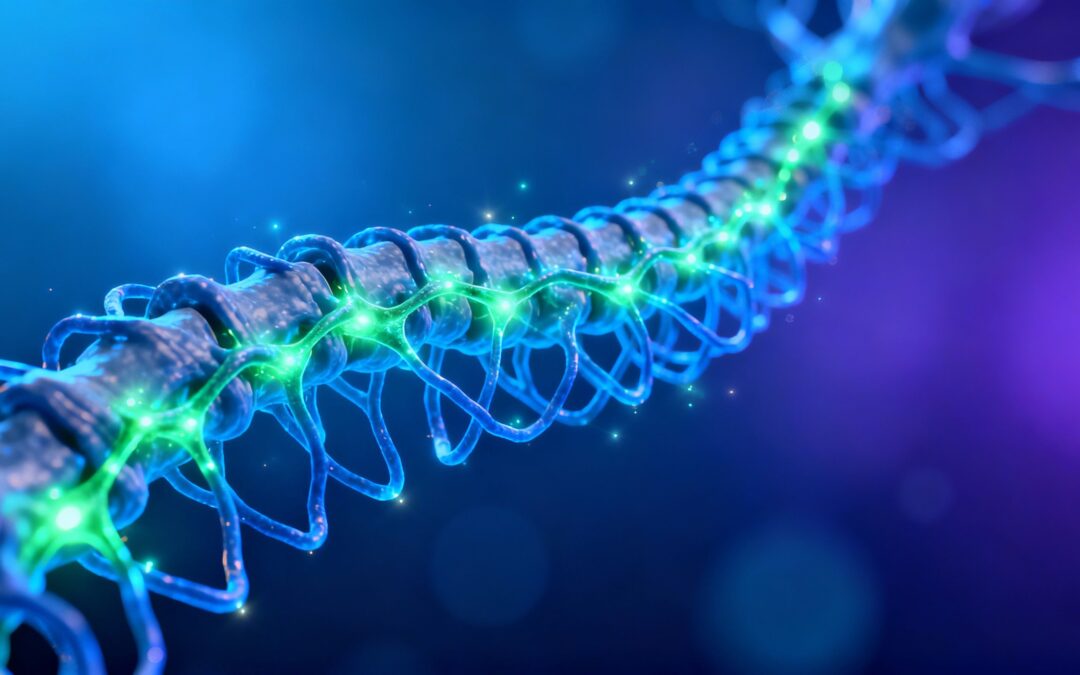
Wow, it’s been a year already. Thinking back on all the work done for spinal cord injury treatments feels like a lot. We’ve seen some really interesting stuff happen in the labs and out in the community. It’s not always easy, but seeing progress, even small steps, makes you feel like it’s all worth it. Let’s take a look at what’s been going on and what might be next.
Key Takeaways
-
New ways to help nerves grow back, like using genes or special cells, are showing promise in spinal cord injury research advancements.
-
Protecting nerve cells from further damage is a big focus, with different methods being tested.
-
Treatments are changing, with new materials for nerve repair and ways to use electricity or drugs to help.
-
People with spinal cord injuries are speaking up more, which helps push for more money and better policies for research.
-
Getting these new treatments from the lab to people who need them is hard, and making sure everyone can get them is a challenge we’re still working on.
Exploring Breakthroughs in Spinal Cord Injury Research Advancements
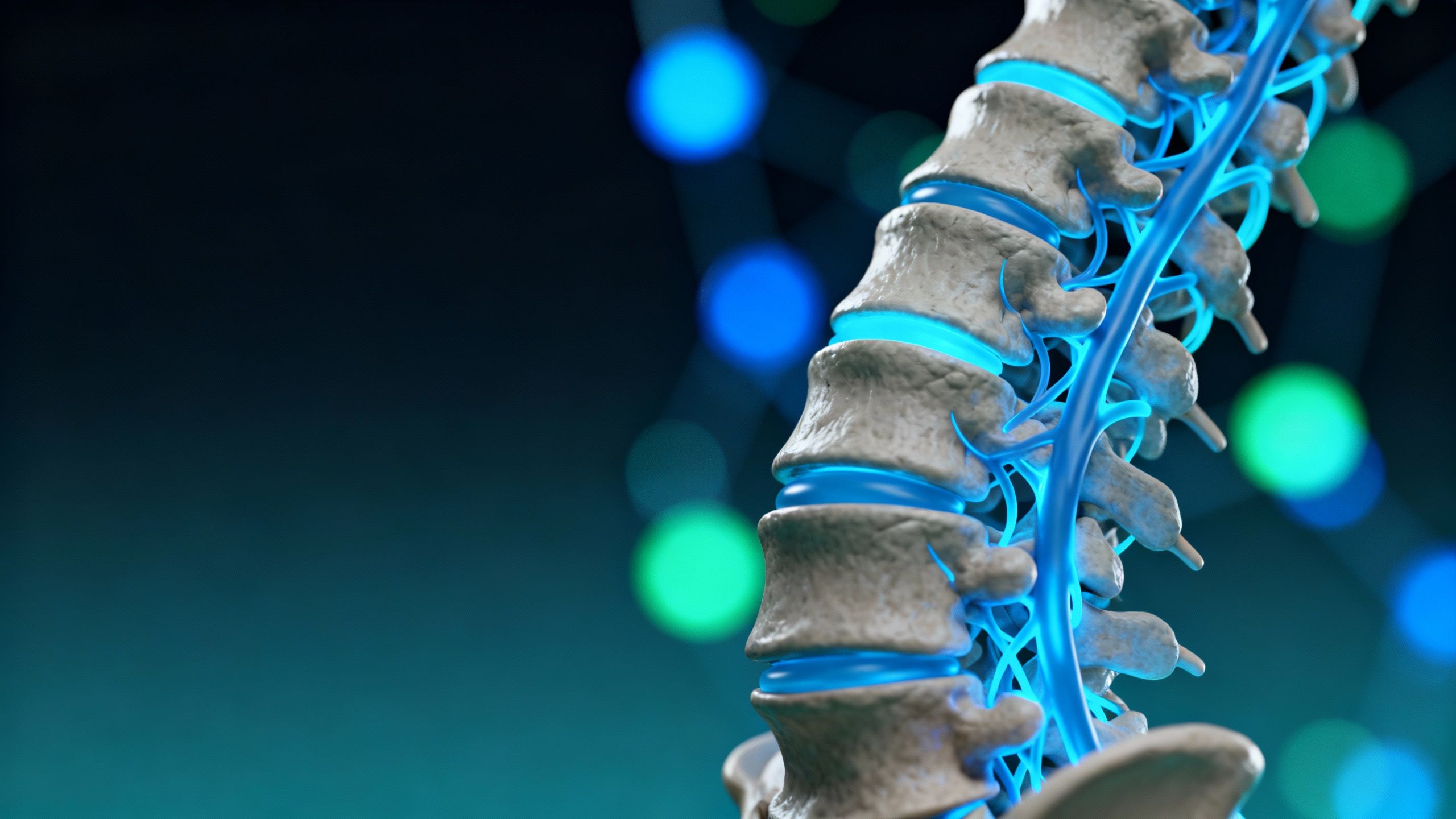
It feels like just yesterday we were talking about basic science, but wow, the field of spinal cord injury (SCI) research has really taken off. There’s so much happening, it’s hard to keep up sometimes, but that’s a good problem to have, right? The pace of discovery is genuinely exciting.
Gene Therapy and Stem Cell Innovations
This is where things get really interesting. Scientists are looking at ways to use our own body’s building blocks, like stem cells, to try and repair the damage. The idea is to get these cells to grow into new nerve cells or support cells that can bridge the gap in the injured spinal cord. Gene therapy is also a big part of this, aiming to introduce genetic material that can encourage nerve regrowth or protect existing cells. It’s not a simple fix, of course. There are challenges in getting the cells to the right spot and making sure they do what we want them to do without causing other problems. But the potential is huge.
Neuroprotection Strategies
Beyond trying to rebuild, a lot of research is focused on stopping further damage after an injury. Think of it like putting a shield around the injured area. This involves using drugs or other methods to prevent the cells from dying off in the initial trauma and the inflammation that follows. It’s about giving the spinal cord a better chance to heal by protecting what’s still working. Some of these approaches look at blocking certain chemicals that can harm nerve cells or reducing swelling. It’s a critical step because if we can save more nerve cells, there’s more to work with for recovery.
Rehabilitation Technologies
And then there’s the practical side of things – how we help people regain function. This is where technology really shines. We’re seeing amazing advancements in things like robotic exoskeletons that help people walk again, even if it’s with assistance. Virtual reality is also being used to create engaging therapy environments that can help retrain the brain and body. These tools aren’t just about physical movement; they’re about restoring independence and improving quality of life. For example, specialized programs like those found at Buffalo Neuro Rehab Services are integrating these advanced therapies to help individuals regain function and independence.
The journey from a lab discovery to a treatment that helps someone walk again is long and complex. It involves many steps, from understanding the basic biology of the injury to testing new ideas in people. Each breakthrough, no matter how small it seems, is a step forward on this path.
The Evolving Landscape of Spinal Cord Injury Treatment
Things are really changing in how we think about treating spinal cord injuries. It’s not just about managing symptoms anymore; researchers are digging into ways to actually help the nerves heal and reconnect. This shift is pretty exciting.
Biomaterial Scaffolds for Nerve Regeneration
Imagine tiny structures that act like a bridge for damaged nerves to grow across. That’s kind of what biomaterial scaffolds are all about. They’re designed to support nerve cells and guide them to reconnect where the injury happened. These aren’t just random materials; scientists are working hard to make them compatible with the body, so they don’t cause problems. The goal is to create an environment where nerve fibers can find their way back to each other.
Electrical Stimulation Techniques
This is another area that’s seen some big steps. Electrical stimulation can be used in a few ways. Sometimes it’s to help muscles that have become weak after an injury. Other times, it’s being explored to encourage nerve cells to communicate better. It’s a bit like giving the nervous system a nudge in the right direction. The precise application of electrical currents is key to seeing positive results.
Pharmacological Interventions
Medications are also playing a role. Researchers are looking at drugs that can protect nerve cells from further damage right after an injury. They’re also investigating compounds that might help nerves regrow or function better. It’s a complex puzzle, and finding the right chemical keys to unlock healing is a major focus. This could involve a range of treatments, from reducing inflammation to promoting nerve growth factors.
The journey from a lab discovery to a treatment people can actually use is long and tough. There are so many steps involved, and not everything that looks promising in early tests makes it all the way. It takes a lot of patience and persistence from everyone involved.
It’s really about piecing together different approaches. We’re seeing a move towards more personalized care, where treatments might be tailored to an individual’s specific injury. Connecting with others who understand can make a big difference, and resources are available to help people adjust to life after an injury, like those found in local support groups. The whole field is moving forward, and that gives a lot of hope.
Patient Perspectives and Advocacy in Spinal Cord Injury Research
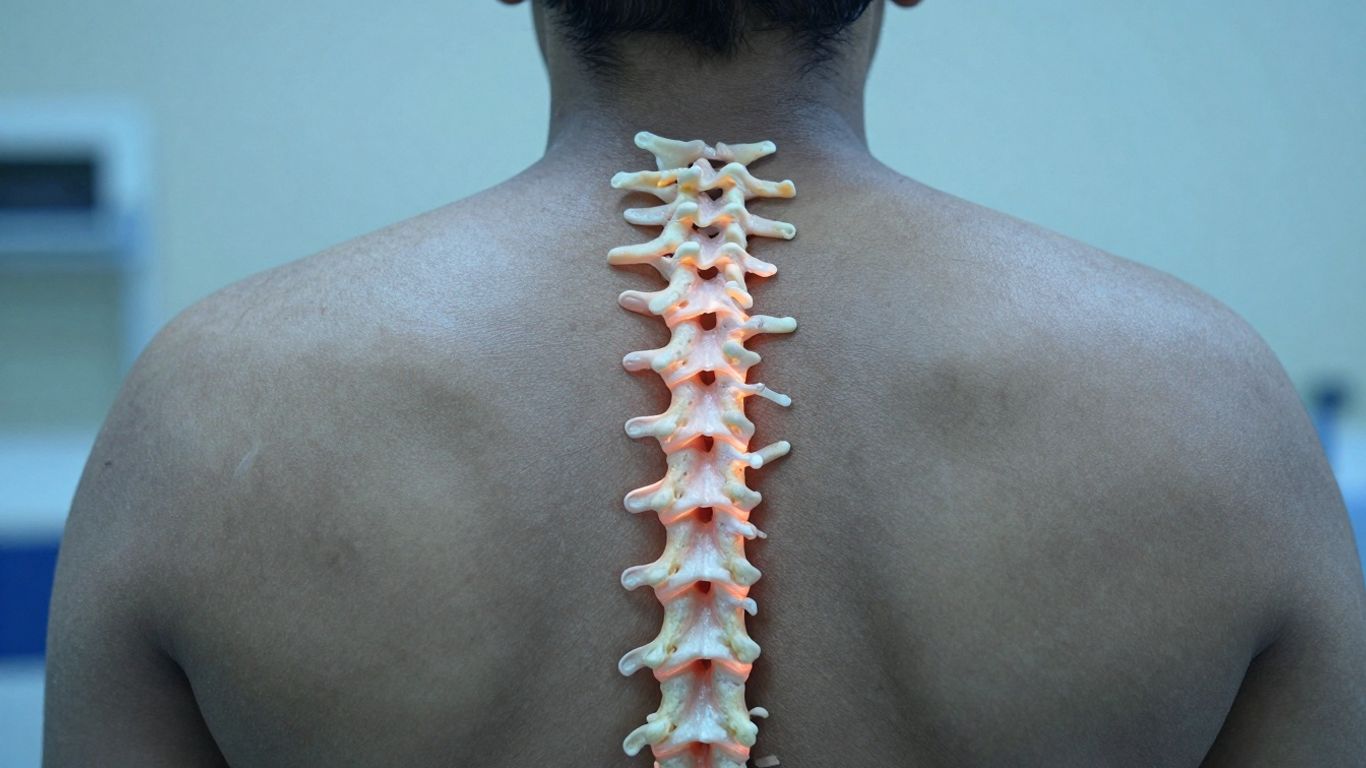
It’s easy to get lost in the science, the lab results, and the clinical trials when we talk about spinal cord injury (SCI) treatments. But honestly, the real driving force behind all this progress? It’s the people living with SCI every single day. Their experiences, their needs, and their sheer determination are what keep researchers and advocates pushing forward.
Amplifying Patient Voices
For too long, decisions about SCI research and treatment were made without enough input from those most affected. That’s changing, thankfully. Patient advocacy groups are becoming louder and more organized, making sure that research priorities actually reflect what people with SCI want and need. This isn’t just about sharing stories, though that’s important too. It’s about actively participating in research design, helping to shape clinical trial protocols, and providing feedback on the real-world usability of new technologies. We’re moving from being subjects of research to active partners. It’s about making sure that the science being done is relevant and that the treatments developed are practical and improve quality of life. You can see how this collaboration works in programs focused on peer mentorship, where those with lived experience guide others through shared experiences.
Driving Funding and Policy Changes
Advocacy isn’t just about influencing research direction; it’s also about securing the resources to make it happen. Patient groups are increasingly involved in lobbying efforts, talking to lawmakers, and raising public awareness to secure more funding for SCI research. This also extends to policy changes that can improve access to existing treatments and support services. It’s a tough fight, often requiring persistence and a united front. The goal is to make sure that SCI research gets the attention and financial backing it deserves, leading to faster development and implementation of effective therapies.
Building a Supportive Community
Beyond research and policy, advocacy plays a huge role in building a strong, supportive community for individuals with SCI and their families. This involves creating networks where people can share information, offer emotional support, and celebrate successes, big or small. It’s about reducing isolation and fostering a sense of belonging. This community aspect is vital because living with SCI presents unique challenges, and having a network of people who understand can make a world of difference. It’s a reminder that no one is going through this alone.
The journey from a lab discovery to a treatment that actually helps someone walk again is incredibly long and complex. Patient involvement at every stage, from initial research questions to the final stages of clinical application, is not just helpful; it’s absolutely necessary for progress. Their insights provide a reality check that pure science sometimes misses.
Navigating Challenges in Spinal Cord Injury Research Advancements
It’s easy to get excited about all the cool science happening for spinal cord injuries, but we have to be real about the tough parts. Getting these amazing lab discoveries out into the world where people can actually use them is a huge hurdle. We’re talking about the gap between what works in a petri dish or a controlled study and what’s practical and safe for everyday life.
Translational Hurdles from Lab to Clinic
This is where the rubber meets the road, or rather, where the nerve meets the spine. A treatment might show promise in animal models, but then it hits a wall when it comes to human trials. Things like how the body reacts differently, the complexity of human physiology, and the sheer time it takes to run these studies can slow things down to a crawl. We need better ways to predict which treatments will actually work in people before we invest years and millions into them. It’s a bit like trying to build a bridge from a blueprint to the actual structure – lots of engineering and testing goes into it.
Ensuring Equitable Access to Treatments
Once we do have effective treatments, another big question pops up: who gets them? It’s not fair if only people with great insurance or those living near top research centers can access the latest therapies. We need to think about how to make sure these advancements reach everyone who needs them, no matter their financial situation or where they live. This involves looking at costs, insurance coverage, and even the availability of trained professionals to administer the treatments. It’s a complex puzzle that involves more than just the science itself.
Addressing Long-Term Care Needs
Spinal cord injury isn’t just about the initial recovery; it’s a lifelong journey. Even with new treatments, people will still need ongoing support. This means thinking about things like:
-
Rehabilitation services that adapt as needs change.
-
Assistive technologies that keep improving.
-
Support for mental and emotional well-being.
-
Making sure homes and communities are accessible.
The focus on cutting-edge treatments is vital, but we can’t forget the day-to-day realities of living with an SCI. Long-term care planning needs to be integrated into the research and advocacy efforts from the start, not as an afterthought. It’s about building a complete support system.
Finding solutions for these challenges is just as important as discovering the next big breakthrough. It’s about making sure that progress actually translates into better lives for people affected by spinal cord injury. We’re seeing a lot of work in places like Western New York that tries to tackle these issues head-on, connecting research with community needs.
Future Directions in Spinal Cord Injury Treatment
Looking ahead, the field of spinal cord injury (SCI) treatment is really starting to get interesting. We’re moving beyond just managing symptoms to actively trying to repair damage and restore function. It feels like we’re on the cusp of some big changes.
Personalized Medicine Approaches
One of the most exciting shifts is towards personalized medicine. This means treatments won’t be one-size-fits-all anymore. Instead, they’ll be tailored to each individual’s specific injury, genetics, and even their lifestyle. Think about it: different types of SCI need different approaches, right? So, doctors and researchers are working on ways to figure out exactly what will work best for you. This involves looking at things like:
-
Identifying specific markers in the body that tell us how an injury is progressing.
-
Matching the right treatment to the right person at the right time.
-
Combining different therapies, like surgery and rehabilitation, based on individual needs.
Future success in medical treatments will likely rely on identifying biomarkers to stratify patients, ensuring precise timing of interventions, and integrating these with surgical, rehabilitative, and bioengineered approaches [eb15].
The Role of Artificial Intelligence
Artificial intelligence (AI) is also set to play a huge role. AI can process massive amounts of data way faster than humans can. This means it can help us:
-
Analyze complex research findings to spot patterns we might miss.
-
Develop better predictive models for recovery outcomes.
-
Speed up the discovery of new drugs and therapies.
It’s like having a super-smart assistant helping scientists and doctors make sense of everything.
Integrating Diverse Research Strands
Ultimately, the biggest wins will come from bringing all these different research areas together. Gene therapy, stem cells, biomaterials, electrical stimulation, and advanced rehab techniques – they all have something to offer. The real breakthrough will happen when we can combine them effectively.
The goal is to create a multi-faceted strategy that addresses the injury from every angle. This means not just trying to regrow nerves, but also reducing inflammation, preventing further damage, and helping the nervous system adapt to the changes. It’s a complex puzzle, but we’re getting closer to putting the pieces together.
It’s a hopeful time for SCI research, and seeing how these different threads weave together will be fascinating over the next few years.
The world of spinal cord injury treatment is always moving forward. Scientists are discovering new ways to help people recover and regain movement. These breakthroughs offer hope for a better future. Want to learn more about these exciting developments and how you can get involved? Visit our website today to explore the latest research and support our mission.
Looking Ahead
So, that’s a wrap on a year spent digging into spinal cord injury research and talking to folks about it. It’s been a journey, for sure. We’ve seen some interesting developments, and the conversations have been eye-opening. It’s clear there’s still a long road ahead, but the progress being made is real. The dedication of the researchers and the strength of the community are truly inspiring. We’re going to keep pushing, keep learning, and keep sharing what we find. Thanks for coming along for the ride this past year.
Frequently Asked Questions
What are some of the newest ways scientists are trying to fix spinal cord injuries?
Scientists are exploring cool new ideas like using special cells called stem cells or even tiny genes to help repair the damaged spinal cord. They’re also working on ways to protect the nerves from getting more hurt and developing better tools and exercises to help people move again after an injury.
How are doctors and researchers trying to help nerves grow back after a spinal cord injury?
One exciting area is using special materials, like tiny sponges, that can guide nerve cells to regrow. Another approach involves using mild electric jolts to encourage nerves to connect. Plus, they’re looking into new medicines that might help the nerves heal and work better.
Why is it important for people with spinal cord injuries to share their stories?
When people who have experienced a spinal cord injury share their experiences, it really helps researchers understand what matters most. It also encourages more money to be given for research and helps create better rules and support systems. It’s all about making sure the research is focused on what patients truly need.
What are the biggest problems in making new spinal cord injury treatments work in real life?
It’s tough to take promising ideas from the lab and make them work safely and effectively for people. Making sure everyone, no matter where they live or how much money they have, can get these new treatments is also a big challenge. We also need to think about the long-term care and support that people with these injuries will need.
What’s next for treating spinal cord injuries?
The future looks promising! Researchers want to create treatments that are just right for each person’s unique injury. They’re also exploring how computers and smart technology, like AI, can help find new solutions. The goal is to bring together all the different research ideas to make the biggest impact.
Can gene therapy or stem cells actually cure a spinal cord injury?
While gene therapy and stem cells show a lot of promise for helping repair damage and improving function after a spinal cord injury, they are not yet considered a cure. They are part of a larger effort to develop better treatments that can help people regain movement and sensation, but more research is needed before we can talk about a full cure.
Recent Comments