

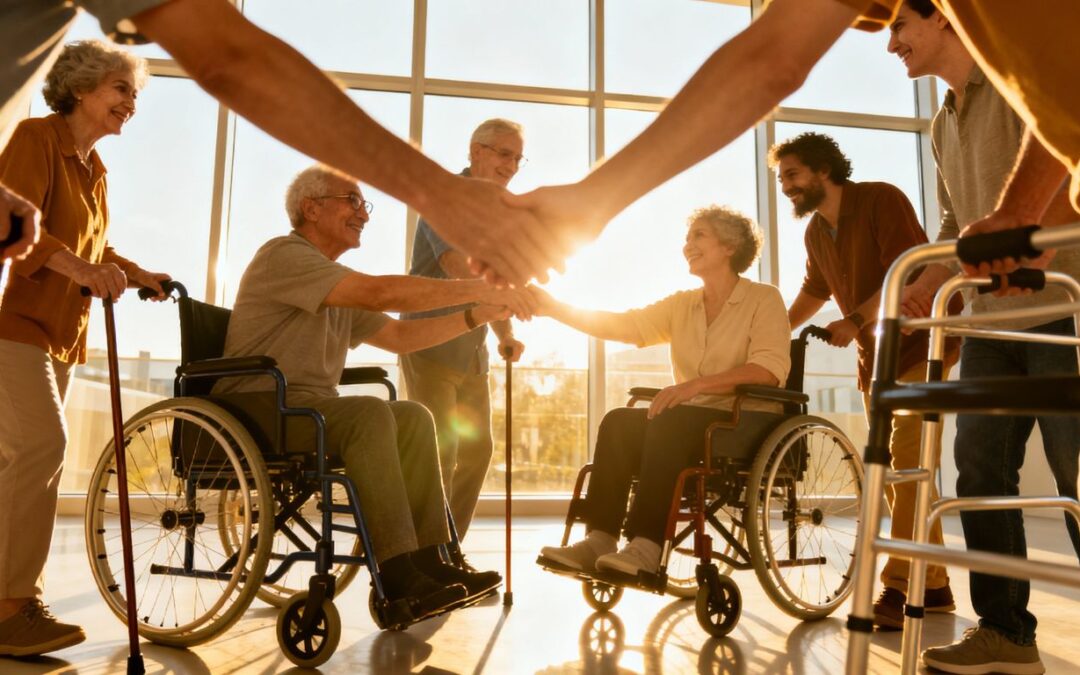
Looking ahead to 2026, the Motion Project Foundation has some big plans for improving life after spinal cord injuries. They’re focusing on a few main areas, from making rehab better to helping people speak up for themselves and get the care they need. It’s all about moving forward and making a real difference for individuals and their families. They want to connect people, advance science, and build a stronger support system. It’s a pretty hopeful outlook, really.
Key Takeaways
-
Making physical therapy for spinal cord injuries more effective with new methods and tools.
-
Using technology to help people recover and get back to their lives.
-
Giving people with spinal cord injuries a stronger voice in policy and community support.
-
Working to make sure everyone, everywhere, can get good healthcare and support.
-
Supporting research to find new treatments and better ways to help people with spinal cord injuries.
Advancing Spinal Cord Injury Rehabilitation

When we talk about spinal cord injury (SCI) rehabilitation, it’s not just about getting back to where you were. It’s about finding new ways to move forward, adapting, and improving quality of life. The Motion Project Foundation is really focused on making big strides in this area over the next couple of years.
Innovations in Physical Therapy
Physical therapy is the bedrock of SCI recovery, and we’re seeing some really exciting developments. Think beyond the standard exercises. We’re looking at:
-
Advanced robotic assistance: Machines that help guide limbs through movements, providing consistent support and allowing for more repetitions than a human therapist can manage alone.
-
Functional electrical stimulation (FES): Using small electrical currents to make paralyzed muscles contract, helping to restore some movement and function, even for tasks like cycling or grasping objects.
-
New approaches to balance and gait training: Incorporating virtual reality and specialized equipment to challenge and retrain the body’s ability to stay upright and walk, even with significant impairment.
The goal is to push the boundaries of what’s physically possible.
Leveraging Technology for Recovery
Technology is changing the game in so many ways, and rehab is no exception. It’s not just about fancy gadgets; it’s about making recovery more effective and accessible.
-
Wearable sensors: These can track movement, muscle activity, and even posture outside of therapy sessions, giving therapists and patients real-time feedback and data.
-
Tele-rehabilitation platforms: Allowing people to connect with therapists remotely, which is a huge deal for those who live far from specialized centers or have trouble traveling.
-
Brain-computer interfaces (BCIs): While still in early stages for widespread use, BCIs offer a glimpse into a future where thought alone could control assistive devices or even re-engage muscles.
It’s about making recovery a more continuous process, not just something that happens during scheduled appointments.
Personalized Treatment Pathways
Everyone’s SCI is different, and so is their recovery journey. One-size-fits-all just doesn’t cut it anymore. We’re moving towards treatment plans that are tailored to the individual.
This means looking at the specific level and completeness of the injury, the person’s overall health, their personal goals, and even their lifestyle. It’s a more holistic approach that considers the whole person, not just the injury itself.
This personalized approach involves:
-
Detailed assessments: Using the latest diagnostic tools to get a precise picture of the injury and its effects.
-
Goal-setting collaboration: Working with patients to define what recovery means to them, whether it’s walking again, regaining independence in daily tasks, or returning to a hobby.
-
Adaptive strategies: Constantly adjusting the treatment plan as the individual progresses or faces new challenges, making sure the therapy stays relevant and effective.
Empowering Individuals Through Advocacy
At Motion Project Foundation, we believe that the people directly affected by spinal cord injuries should be at the forefront of driving change. It’s not just about providing services; it’s about making sure everyone has a voice and the tools to use it effectively. We’re committed to building a world where individuals with SCI are active participants in shaping their own futures and the systems that support them.
Amplifying Patient Voices
We work to make sure that the experiences and perspectives of people with spinal cord injuries are heard loud and clear. This means creating platforms where personal stories can be shared, not just to raise awareness, but to inform real-world solutions. We help individuals find their voice and feel confident speaking up about their needs and challenges. It’s about moving from being a recipient of care to being a partner in its development.
Driving Policy Change
Advocacy isn’t just about talking; it’s about action that leads to lasting change. We focus on influencing policies that directly impact the lives of those with SCI. This includes working on issues like accessibility, healthcare access, and research funding. We aim to make sure that laws and regulations reflect the realities faced by our community. It’s a long road, but every step forward makes a difference for people with spinal cord injuries.
Building Supportive Communities
Strong communities are built on connection and mutual support. We help create spaces, both online and in person, where individuals with SCI and their families can connect, share advice, and find encouragement. These networks are vital for emotional well-being and practical problem-solving. We want everyone to feel like they belong and have a network to rely on.
Our advocacy efforts are deeply rooted in the lived experiences of individuals. We don’t just speak for them; we work with them to ensure their needs are understood and addressed by policymakers and the public. This collaborative approach is what makes our work impactful and sustainable.
Here’s how we’re making it happen:
-
Training and Workshops: Offering sessions on effective communication, self-advocacy skills, and understanding the legislative process.
-
Storytelling Initiatives: Providing opportunities for individuals to share their journeys through various media, connecting with others and influencing public perception.
-
Coalition Building: Partnering with other organizations to present a united front on key issues affecting the SCI community, amplifying our collective impact.
We are dedicated to seeing a future where every person with a spinal cord injury has the support and agency they need to thrive. Learn more about our mission at Motion Project Foundation.
Expanding Access to Care
We know that getting the right help after a spinal cord injury shouldn’t depend on where you live or how much money you have. That’s a big part of what we’re working towards. Our goal is to make sure everyone, no matter their circumstances, can get the support they need to recover and thrive.
Addressing Healthcare Disparities
It’s not fair that some people have way better access to rehab services than others. We’re looking into ways to fix this. This means finding out where the biggest gaps are and figuring out practical solutions. It could involve:
-
Supporting clinics in underserved areas.
-
Developing telehealth options so people can get help from home.
-
Working with local groups to understand specific community needs.
We want to make sure that quality care is available to everyone, not just a select few. It’s about fairness, plain and simple.
Global Reach and Impact
Spinal cord injuries happen all over the world, and the challenges are often similar. We’re aiming to extend our reach beyond our immediate community. This involves:
-
Sharing best practices and research findings internationally.
-
Partnering with organizations in other countries to build their rehab capacity.
-
Creating resources that can be used by people and professionals anywhere, even with limited internet access.
Think of it like building bridges so knowledge and support can cross borders. We’ve seen great work happening in places like Buffalo Neuro Rehab Services, and we want to learn from and share with such centers.
Resource Development for Patients
Sometimes, the biggest hurdle is just knowing what’s out there and how to get it. We’re focused on creating clear, easy-to-understand resources. This includes:
-
Guides on navigating insurance and financial aid.
-
Information about different types of therapies and what to expect.
-
Directories of support groups and advocacy networks.
We believe that informed patients are better equipped to manage their recovery journey. Providing accessible information is a key step in helping individuals take control of their health and well-being. It’s about putting the power back into the hands of those who need it most.
Fostering Research and Development
We’re really focused on pushing the boundaries of what’s possible in spinal cord injury (SCI) recovery. It’s not just about treating the symptoms; it’s about finding real solutions that can change lives. Our goal is to bridge the gap between what scientists discover in the lab and what patients experience in their daily lives. We believe that by supporting cutting-edge research, we can accelerate progress and bring new hope to individuals and families affected by SCI.
Collaborating with Leading Researchers
We’re actively seeking out and partnering with the brightest minds in the field. This means working with universities, research institutions, and independent scientists who are dedicated to understanding SCI and developing better treatments. We want to support projects that are exploring new avenues, like advanced neuro-rehabilitation techniques and innovative therapeutic approaches. It’s about bringing people together who have different skills and ideas to tackle this complex challenge. We’re excited about the potential for breakthroughs happening right here in places like Western New York.
Translating Discoveries into Practice
Discoveries are great, but they don’t help anyone if they stay in a lab. Our focus is on making sure that promising research actually makes its way to the people who need it. This involves:
-
Supporting clinical trials to test new therapies.
-
Working with medical professionals to integrate new findings into treatment plans.
-
Developing clear guidelines and training materials for healthcare providers.
We see a future where new treatments are readily available and practical for everyday use, not just theoretical possibilities. This transition from research to real-world application is where the true impact lies.
Investing in Future Breakthroughs
To keep the momentum going, we need to invest in the next generation of research and the people who will carry it out. This includes:
-
Providing grants for early-stage research that might not get funding elsewhere.
-
Supporting young scientists and clinicians who are passionate about SCI.
-
Funding projects that explore long-term recovery and quality of life improvements.
We’re committed to making sure that the research pipeline stays strong, so that we can continue to see significant advancements in SCI rehabilitation for years to come.
Strengthening the Advocacy Network
Partnering with Patient Organizations
We know that working alone just doesn’t cut it when it comes to making real change. That’s why a big part of our plan for 2026 is to really dig in and build stronger ties with other groups already doing great work. Think of it like this: instead of everyone reinventing the wheel, we can pool our knowledge and resources. We want to connect with organizations that support people with spinal cord injuries and other related conditions. By joining forces, we can create a louder, more unified voice for the community. This means sharing best practices, coordinating our efforts on key issues, and making sure our messages reach more people who need them. It’s all about collaboration, not competition. We’re looking forward to seeing what we can achieve together, perhaps even finding new ways to connect people with peer support through groups like those offered by the Amputee Coalition.
Educating Healthcare Professionals
It’s not just about supporting patients; we also need to make sure the people providing care are up-to-date and understand the latest needs and challenges. Our goal is to develop and share educational materials that highlight the realities of living with a spinal cord injury. This includes:
-
Understanding the long-term physical and emotional impacts.
-
Recognizing the importance of holistic care, not just the immediate medical needs.
-
Learning about the most effective communication strategies from individuals with lived experience.
We believe that better-informed healthcare providers can lead to better patient outcomes and a more compassionate healthcare system overall. It’s a two-way street, and we’re committed to making sure both sides are heard and understood.
Mobilizing Grassroots Support
Big changes often start small, with people in their own communities speaking up. We want to help make that happen. Our focus will be on equipping individuals and local groups with the tools and confidence they need to advocate for themselves and others. This could involve workshops on public speaking, guidance on contacting local representatives, or even just providing templates for letters and petitions. We want to see more people feeling comfortable and capable of sharing their stories and pushing for improvements right where they live. It’s about building a movement from the ground up, one conversation and one action at a time.
We’re aiming to create a network where individuals feel supported, informed, and ready to take action. This isn’t just about policy; it’s about building a stronger, more connected community that looks out for its members.
Vision for a Connected Future
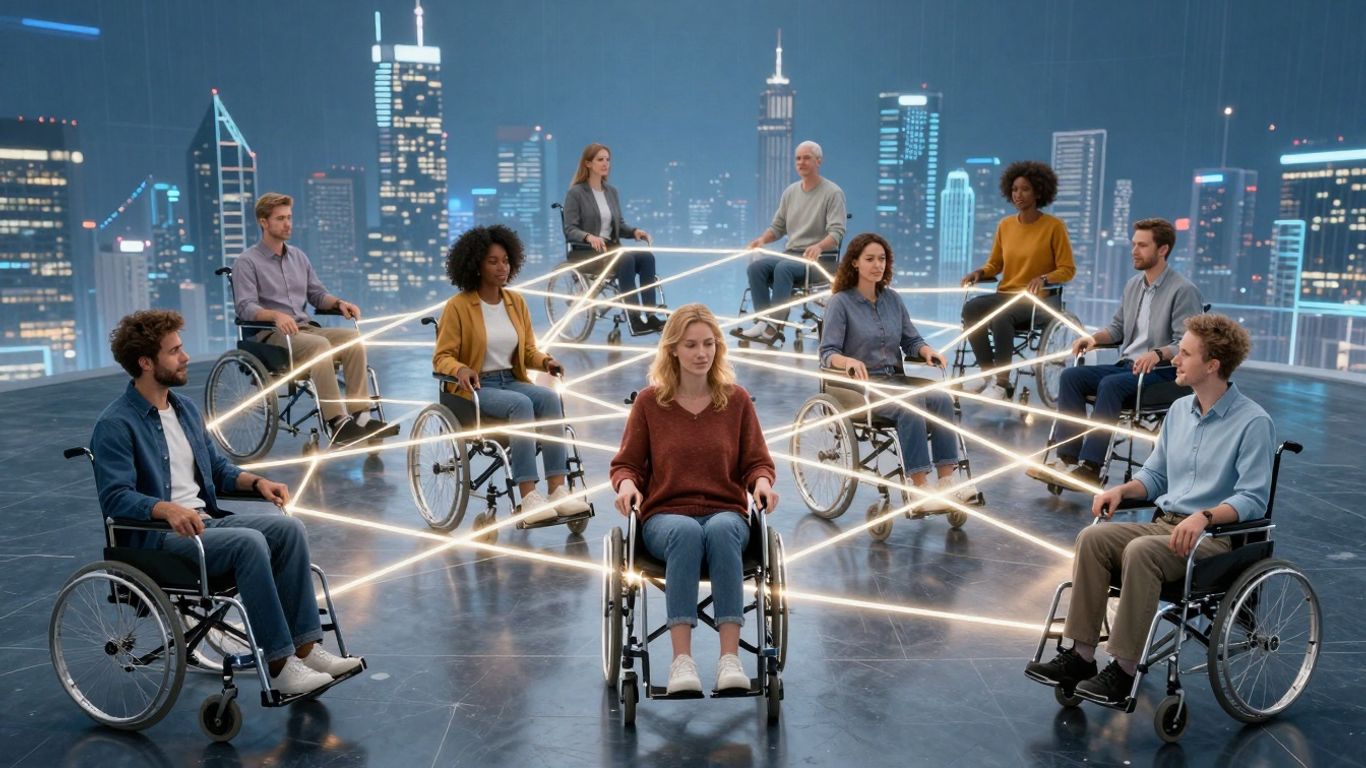
Looking ahead, Motion Project Foundation sees a future where support for individuals with spinal cord injuries isn’t just about the immediate recovery period. We’re talking about a lifelong journey, and that means building systems that stick with people every step of the way. Our goal is to create a truly integrated network of care and support.
Integrated Care Models
Right now, getting all the right help can feel like a maze. You see a doctor, then a therapist, then maybe a social worker, and sometimes it feels like they aren’t all talking to each other. We want to change that. Imagine a system where your medical team, your rehab specialists, and your support network are all on the same page, sharing information and coordinating your care. This means fewer appointments that feel redundant and a more streamlined path to getting what you need. It’s about making sure everyone involved in your recovery understands the full picture, from your physical progress to your emotional well-being. We’re working towards models that connect these different parts of your life so they work together, not in isolation. This kind of coordinated approach is key to making real progress in rehabilitation.
Lifelong Support Systems
Recovery doesn’t stop when you leave the rehab center. Life keeps happening, and so do the challenges. We envision support systems that are there for the long haul. This includes:
-
Ongoing access to physical and occupational therapy, adapted as needs change.
-
Peer support groups that connect individuals with shared experiences.
-
Resources for employment, housing, and adaptive equipment.
-
Mental health services that address the long-term emotional impact.
It’s about building a community that understands the unique journey of living with a spinal cord injury and provides consistent, reliable support. We believe that consistent access to resources, like those advocated for by organizations such as ACRM, is vital for sustained well-being ACRM has formally requested $119 million in FY 2026 funding for NIDILRR.
Celebrating Milestones in Recovery
We also want to shift the focus to celebrating progress, no matter how small it might seem. Recovery is a marathon, not a sprint, and every achievement deserves recognition. This means:
-
Acknowledging personal victories, like mastering a new skill or achieving a fitness goal.
-
Highlighting the resilience and strength of individuals in the SCI community.
-
Creating opportunities for connection and shared celebration among patients, families, and caregivers.
Building these connected systems isn’t just about fixing what’s broken; it’s about building a stronger, more supportive foundation for the future. It’s about ensuring that everyone has the chance to live a full and meaningful life after a spinal cord injury, with the right support always within reach. This vision requires collaboration across many different groups and a commitment to seeing the person, not just the injury.
We’re excited about what this connected future looks like and are committed to making it a reality.
Imagine a world where everything is linked together, making our lives easier and more connected. This is the future we’re building, a place where technology helps us all work together better. Want to learn more about how we’re making this happen? Visit our website today to see the exciting possibilities!
Looking Forward
So, as we wrap up our look at what’s coming for the Motion Project Foundation, it’s clear they’re not just planning for 2026, they’re building for it. Their focus on making rehabilitation better and giving a stronger voice to those who need it is a big deal. It’s not just about the next year or two; it’s about making real, lasting changes. We’ll be watching to see how these plans unfold and the positive impact they’re sure to have. It’s an exciting time for the foundation and for everyone they aim to help.
Frequently Asked Questions
What’s new in how Motion Project Foundation helps people with spinal cord injuries get better?
We’re looking at new ways to help people move and feel better after a spinal cord injury. This includes using cool new exercise methods and tech tools to help with recovery. We also want to create plans that are just right for each person’s needs.
How does the foundation help people speak up for themselves?
We want to make sure the voices of people affected by spinal cord injuries are heard loud and clear. This means helping them share their stories and experiences. We also aim to influence rules and laws to make things better and help build strong groups where people can support each other.
What is the foundation doing to make sure more people can get the help they need?
We’re working hard to fix unfairness in healthcare so everyone, no matter where they live or their background, can get good care. We’re also planning to help people in other countries and create easy-to-understand guides and tools for patients.
How is Motion Project Foundation supporting research into new treatments?
We’re teaming up with smart scientists to find new ways to help. Our goal is to take what they discover in the lab and quickly turn it into real help for people. We’re also putting money into projects that could lead to big breakthroughs in the future.
How can people who want to help spinal cord injury patients connect with the foundation?
We’re building a big team of supporters! This includes working with other groups that help patients, teaching doctors and nurses about the latest advances, and getting everyday people involved to make a difference in their own towns.
What does the foundation imagine for the future of recovery and support?
We see a future where care is all connected, like a team working together. We want to create support systems that last a lifetime, helping people through every step of their journey. And, of course, we want to celebrate every success, big or small, along the way!
Recent Comments